

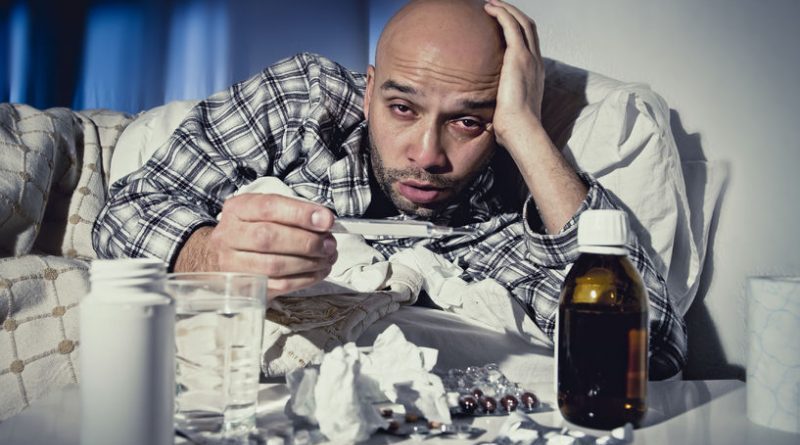
It’s That Time of the Year – Should You Work Out When Sick?
That first sniffle or cough can feel like a setback, especially when you’re committed to your fitness routine. It’s that time of year when the common cold and flu seem to be everywhere and when it hits, you wonder if you should work out when sick.
The big question is, should you work out when sick? In my 20+ years as a trainer and nutritionist, this is one of the most common dilemmas I’ve seen dedicated people face. You don’t want to lose your hard-earned progress, but you also don’t want to make things worse.
This guide will give you a clear, evidence-based framework to make the right call. We’ll break down the science, cover the well-respected “neck check” rule, and show you how to listen to your body so you can recover quickly and get back to your goals.
Disclaimer: This article is for informational purposes only and is not meant to treat or diagnose any condition. It is recommended that you speak with your doctor before starting any exercise program, changing your daily nutrition, or adding any supplements to your regimen.
Table of contents
Key Takeaways
- Use the “Neck Check”: If your symptoms are above the neck (runny nose, mild sore throat), light exercise is generally okay. If symptoms are below the neck (chest congestion, fever, body aches), rest is your best bet.
- Fever is a Red Flag: Never exercise with a fever. It increases your internal body temperature and can make you much sicker, potentially leading to dangerous complications. Wait at least 24 hours after your fever breaks without medication before easing back into activity.
- Protect Others: The flu virus can live on surfaces for up to 48 hours. If you are contagious, avoid the gym to prevent spreading germs. Consider a home workout or exercising outdoors instead.
- Listen to Your Body: If you choose to work out, reduce the intensity and duration by at least 50%. If you feel worse, dizzy, or overly fatigued, stop immediately. A few days of rest won’t erase your progress but pushing too hard can set you back for weeks.

What’s Up, Doc?
If you’re feeling genuinely sick, your first step should be consulting a healthcare professional. They can determine if your illness is contagious and provide the right medication to help you recover faster.
According to the CDC, you should seek medical attention if you experience symptoms like difficulty breathing, persistent chest pain, confusion, or a fever that doesn’t respond to fever-reducing medication. These can be signs of a more serious infection that requires professional care.
For convenience, telehealth services like Teladoc or Amwell can provide a quick consultation from home without you having to spread germs. Most importantly, listen to your doctor’s advice. If they recommend rest, take their word for it. Pushing your body when it needs to heal is counterproductive.
You Used Doctor Google
It’s tempting to type your symptoms into a search engine, but this often leads to unnecessary anxiety. A simple cough can quickly escalate into a self-diagnosis of something much more serious. This approach is rarely accurate and creates more stress, which is the last thing your immune system needs.
Instead of relying on random search results, use credible online resources for information. Websites like the Mayo Clinic and the CDC’s official site offer reliable information about symptoms. These are great for understanding your illness but are not a substitute for a real diagnosis.
If your symptoms are mild and align with the common cold, over-the-counter medication can help. But trying to power through a workout when you feel unwell isn’t going to produce results. Your body won’t be able to perform at its peak, so rest is the most effective path to recovery.

Should You Work Out When Sick?
So, here’s the million-dollar question: should you exercise when you’re sick? The most reliable guideline used by health professionals is the “neck check.”
This simple rule, referenced by institutions like the Mayo Clinic, provides a clear starting point.
- Symptoms Above the Neck: If you’re dealing with a runny nose, sneezing, or a minor sore throat, light to moderate exercise is generally considered safe. In fact, a low-intensity workout like a brisk walk might even help by opening your nasal passages.
- Symptoms Below the Neck: If you have chest congestion, a hacking cough, body aches, or an upset stomach, you should absolutely rest. Exercising with these symptoms can put extra stress on your body and even lead to more serious issues like bronchitis.
Fever is a non-negotiable stop sign on whether you should work out when sick. A fever indicates your body is in full-on battle mode against an infection. Exercising raises your core temperature, and adding that stress when you already have a fever can be dangerous and delay recovery. Experts recommend waiting at least 24-48 hours after your fever subsides completely before resuming any activity.
When you’re sick, dehydration is a major concern, especially if you have a fever or stomach issues. Sweating from a workout will only deplete your fluid levels further. If you do any light activity, be sure to hydrate properly with water and consider an electrolyte drink like Pedialyte or Nuun to stay balanced.

Think About Everyone Else At the Gym If You Work Out When Sick
Even if you feel up to a light workout, you have to consider the health of others. Sharing is not caring when it comes to germs. A study by Fitrated found that fitness equipment like exercise bikes and free weights can harbor more bacteria than a public toilet seat.
Think about how long germs can survive.
- The flu virus can live on non-porous surfaces like dumbbells for up to 48 hours.
- Rhinovirus, the cause of the common cold, can last for days on surfaces.
If you’re sick, the responsible choice is to stay home. This protects everyone else at the gym from catching what you have.
You can still get a great workout at home without any fancy equipment. There are tons of bodyweight exercises you can do, and many fitness apps and YouTube channels like Peloton or Fitness Blender offer guided home routines. If you need some fresh air, a walk around your neighborhood is a perfect low-intensity option.
Remember, taking a week off isn’t a failure. It’s strategic. Many of my clients are surprised to find they come back stronger after a week of rest. This is because their body has had ample time to fully recover not just from the illness, but from weeks of intense training. Rest is a critical part of any successful fitness plan.
Work Out When Sick FAQs
How long should I wait to exercise after having a fever?
You should wait at least 24 to 48 hours after your fever has broken without the help of medication. A fever is a sign your body is fighting a significant infection, and it needs time to recover before you add the stress of exercise.
Can I “sweat out” a cold?
This is a common myth, but there’s no scientific evidence to support it. While light exercise might temporarily relieve congestion by opening nasal passages, the act of sweating does not expel the virus from your body. Pushing for an intense sweat session can lead to dehydration and may actually prolong your illness.
What are the best exercises to do when I have a cold?
If your symptoms are all above the neck, stick to low-intensity and low-impact activities. Good options include:
- Walking
- Light jogging
- Gentle yoga or stretching
- Easy cycling
Avoid heavy lifting, HIIT, and long-duration cardio, as these can put too much stress on your already taxed immune system.
Is it okay to go to the gym with just a runny nose?
If a runny nose is your only symptom, it’s generally safe to exercise based on the “neck check” rule. However, you should still be considerate of others. Make sure to wipe down all equipment thoroughly before and after use with disinfectant wipes, wash your hands frequently, and avoid touching your face. If possible, an outdoor or home workout is a better option.


*Disclosure: This article may contain affiliate links or ads, which means we earn a small commission at no extra cost to you if you make a purchase through these links. These commissions help support the operation and maintenance of our website, allowing us to continue producing free valuable content. Your support is genuinely appreciated, whether you choose to use our links or not. Thank you for being a part of our community and enjoying our content.
PLEASE CONSIDER SHARING THIS ON YOUR SOCIAL MEDIA TO HELP OTHERS LEARN MORE ABOUT THIS TOPIC.