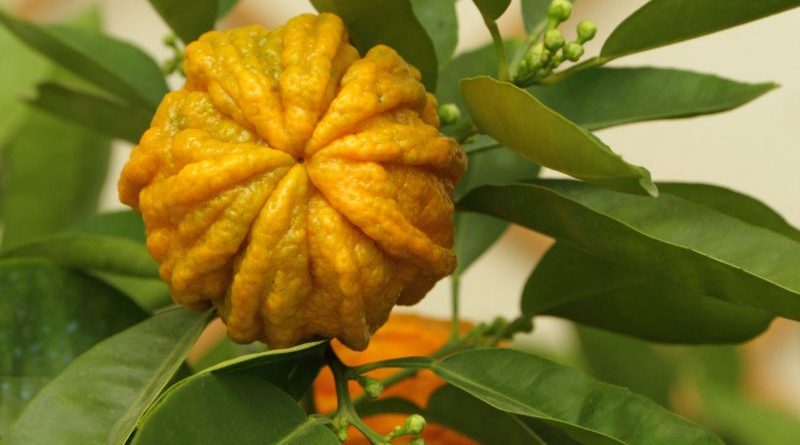
Bitter Orange Extract Deemed Safe
For those of us who have been in the fitness game for a while, you probably remember when the fat burner ephedrine was easy to find. The results were undeniable. But after the FDA banned it over two decades ago, a new ingredient stepped up to fill the void: bitter orange extract.
Now, you can technically still find ephedrine. It’s the active ingredient in over-the-counter asthma medications like Bronkaid, which you can buy at major retailers like Walmart and CVS. However, you’ll need to show your ID, as sales are tracked to prevent misuse.
The issue for fat loss is that these pills also contain guaifenesin, an expectorant that will make you sick in high doses. This made it an imperfect solution. And that’s where the interest in citrus aurentium, or bitter orange extract, began to grow.
For years, as a certified sports nutritionist and coach, I’ve watched this ingredient face intense scrutiny. Many people wondered if it was truly a safe alternative. This guide will give you the evidence-based answers you need about this powerful fat-loss supplement.
Disclaimer: This article is for informational purposes only and is not meant to treat or diagnose any condition. It is recommended that you speak with your doctor before starting any exercise program, changing your daily nutrition, or adding any supplements to your regimen.
Table of contents
Key Takeaways
- Proven Fat Burner: The active compound in bitter orange extract, p-synephrine, has been shown in studies to increase resting metabolic rate, which helps your body burn more calories.
- Safety Confirmed by Research: Despite early media concerns, numerous human clinical studies have concluded that bitter orange extract is safe at recommended dosages, without causing the adverse cardiovascular effects associated with ephedrine.
- Not Ephedrine’s Twin: While structurally similar, p-synephrine acts differently in the body than ephedrine. It has a much lower impact on heart rate and blood pressure because it targets different cellular receptors.
- Banned for Collegiate Athletes: It’s important for competitors to know that the National Collegiate Athletic Association (NCAA) lists synephrine as a banned stimulant.
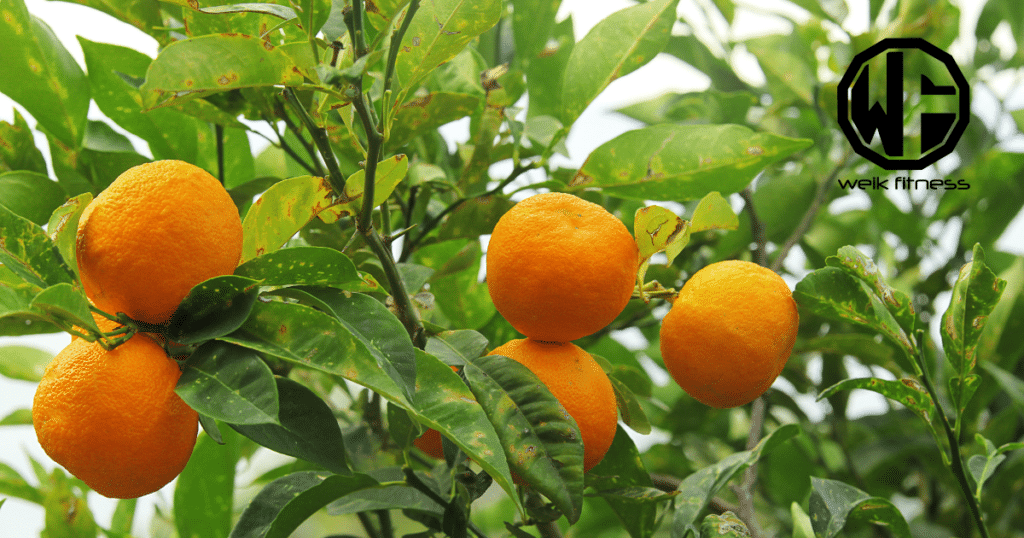
What is Bitter Orange Extract?
Bitter orange extract comes from the peel of the Citrus aurantium tree, which is native to Southeast Asia. For centuries, it has been used in traditional medicine for digestive health, but its modern claim to fame is in the world of fat loss supplements.
The key to its power is a naturally occurring compound called p-synephrine. This is what gives bitter orange extract its ability to support weight control.
How It Works for Fat Loss
- Boosts Metabolism: P-synephrine helps increase your resting metabolic rate (RMR). One study published in the International Journal of Medical Sciences found that p-synephrine alone increased RMR by about 7% compared to a placebo, without raising heart rate or blood pressure.
- Enhances Thermogenesis: It acts as a thermogenic agent, meaning it helps your body produce more heat and burn more calories, primarily from fat stores.
- May Reduce Appetite: Some research and user reports suggest that bitter orange extract can help control hunger and food cravings, making it easier to stick to a calorie-controlled diet.
While effective, it’s crucial to use this supplement responsibly. High doses or combining it with other strong stimulants without caution can lead to unwanted side effects. Always start with a low dose to assess your tolerance.
Is Bitter Orange Extract Safe? Examining the Evidence
If you search for bitter orange extract online, you’ll find a mix of information. Some sites praise its benefits for weight loss, while others raise safety concerns. This is where we need to look at the actual science.
Much of the definitive research on this ingredient comes from Dr. Sidney J. Stohs, Dean Emeritus at the Creighton University Medical Center. His work has been pivotal in understanding how p-synephrine truly functions. In a comprehensive 2017 review published in Phytotherapy Research, Dr. Stohs analyzed data from approximately 30 human studies.
The conclusion was clear: bitter orange extract does not cause significant cardiovascular effects at commonly used doses.
“This review indicates that p-synephrine cannot be equated with ephedrine and the effects of ephedrine cannot be extrapolated to p-synephrine due to structural differences.” – Dr. Sidney J. Stohs
In my experience as a fitness pro, this is the key takeaway. The molecular structure of p-synephrine is different from ephedrine, which means it doesn’t bind as strongly to the receptors that jack up your heart rate and blood pressure.
However, it is a banned substance for collegiate athletes. The NCAA includes synephrine (bitter orange) on its list of banned stimulants, so if you compete at that level, you must avoid it completely.
Why Did Bitter Orange Extract Get a Bad Reputation?
The controversy largely stems from a 2010 report. Back then, Consumer Reports listed bitter orange as one of its “Dirty Dozen” supplement ingredients to avoid, creating a wave of negative press. They pointed to its structural similarity to ephedrine and cited potential risks like high blood pressure and heart arrhythmias.
This comparison, while understandable on the surface, lacked scientific nuance. The media ran with the idea that it was “ephedra’s risky cousin” without looking at the growing body of research that showed otherwise.
In fact, one key study highlighted by Dr. Stohs involved subjects taking 98mg of p-synephrine daily for 60 days. The results showed no adverse effects on heart rate, blood pressure, or blood work compared to the placebo group. Another review by Health Canada concluded that daily doses of up to 50mg are “not likely to cause any adverse health consequences” in healthy adults.
The science tells us the initial media attacks were largely unfounded. Millions of doses have been consumed globally without reports of serious incidents directly linked to p-synephrine itself. The takeaway is that when used correctly, bitter orange extract is a safe and effective tool for fat loss.

Bitter Orange Extract FAQs
What is the recommended dosage for bitter orange extract?
Most studies demonstrating safety and effectiveness use a daily p-synephrine dose between 25mg and 100mg. A common recommendation is 10-20mg taken two or three times per day. Always start with the lowest effective dose to see how your body responds.
Can I stack bitter orange extract with caffeine?
Yes, this is a very common and effective fat-burning stack. The two compounds work synergistically. Health Canada, for example, has concluded that combining up to 40mg of p-synephrine with up to 320mg of caffeine is not likely to cause adverse effects in healthy adults. A common ratio is 1:10, such as 20mg of synephrine with 200mg of caffeine.
Are there any side effects?
When taken at recommended doses, p-synephrine is not associated with significant side effects. Unlike ephedrine, it does not typically cause jitters, increased heart rate, or elevated blood pressure. However, taking excessively high doses or combining it with multiple other stimulants could increase risk, and you should always consult a healthcare professional before starting any new supplement.
Is bitter orange extract the same as ephedrine?
No. While they are structurally related, small differences in their chemical makeup cause them to act very differently in the body. P-synephrine primarily targets beta-3 adrenergic receptors, which are involved in lipolysis (fat breakdown), while having minimal effect on the beta-1 and beta-2 receptors that control heart rate and blood pressure. This makes it a more selective and safer thermogenic agent.
So, can you use bitter orange extract to help with your weight loss goals? Absolutely.
The research is solid. Science has shown this ingredient is a safe and effective fat burner when used responsibly.
If you need an extra edge in your fight against stubborn body fat, adding a bitter orange extract supplement to your plan is a smart, evidence-backed choice.

*Disclosure: This article may contain affiliate links or ads, which means we earn a small commission at no extra cost to you if you make a purchase through these links. These commissions help support the operation and maintenance of our website, allowing us to continue producing free valuable content. Your support is genuinely appreciated, whether you choose to use our links or not. Thank you for being a part of our community and enjoying our content.
PLEASE CONSIDER SHARING THIS ON YOUR SOCIAL MEDIA TO HELP OTHERS LEARN MORE ABOUT THIS TOPIC.