
Does Compression Apparel Provide a Performance Enhancement?
Walk through any gym or watch any sporting event, and you’ll see athletes covered in sleek, form-fitting apparel. For years, athletes and fitness enthusiasts alike have turned to compression apparel from major brands like Nike and Under Armour.
But is it just a style choice, or does this clothing actually provide a real performance enhancement?
As a certified strength and conditioning coach and sports nutritionist, I’ve seen countless trends come and go. I can tell you that high-quality compression apparel is much more than a fashion statement. It’s a tool designed to improve blood flow, support muscles, and even speed up recovery.
This guide will break down the science behind how compression apparel works, what benefits you can realistically expect, and how to choose the right gear to support your specific goals.
Disclaimer: This article is for informational purposes only and is not meant to treat or diagnose any condition. It is recommended that you speak with your doctor before starting any exercise program, changing your daily nutrition, or adding any supplements to your regimen.
Table of contents
Key Takeaways
- Improved Blood Flow: Compression apparel enhances circulation, which delivers more oxygen to working muscles and helps clear out metabolic waste like lactic acid.
- Reduced Muscle Vibration: The snug fit reduces muscle oscillation during high-impact activities, which can minimize muscle damage, fatigue, and soreness.
- Enhanced Recovery: Studies show that wearing compression gear after exercise can significantly reduce Delayed Onset Muscle Soreness (DOMS) and help you recover strength faster.
- Better Body Awareness: Compression provides sensory feedback that can improve proprioception, or your awareness of your body’s position, leading to better stability and coordination.
- Choosing the Right Fit is Crucial: The benefits of compression depend on getting the right pressure level, measured in mmHg. For athletic performance and recovery, a range of 20-30 mmHg is often recommended.

How Does Compression Apparel Actually Enhance Performance?
The core idea behind compression apparel is simple: applying targeted pressure to your muscles can improve performance. While an older study from James Cook University highlighted endurance benefits in soccer players wearing compression socks, more recent and comprehensive research gives us a clearer picture of what’s happening.
A 2023 meta-analysis confirmed that compression garments can provide small but meaningful improvements in speed and endurance. The primary benefits come from a few key physiological mechanisms.
- Improved Circulation and Oxygen Delivery: The graduated pressure applied by compression gear helps your veins more efficiently pump deoxygenated blood back to the heart. This, in turn, speeds up the delivery of oxygen-rich blood to your working muscles. Brands like CEP have even noted their products can improve oxygenated blood flow by up to 40%, delaying fatigue.
- Reduced Muscle Oscillation: During high-impact activities like running or jumping, your muscles vibrate. Over time, this oscillation causes micro-trauma to the muscle fibers, leading to fatigue and soreness. Compression apparel stabilizes the muscles, significantly reducing this vibration.
- Enhanced Proprioception: Proprioception is your body’s internal GPS, its ability to sense its own position and movement. A June 2024 meta-analysis found that compression garments significantly improve joint position sense. The constant pressure provides extra sensory feedback to your brain, which can enhance stability, coordination, and movement efficiency.
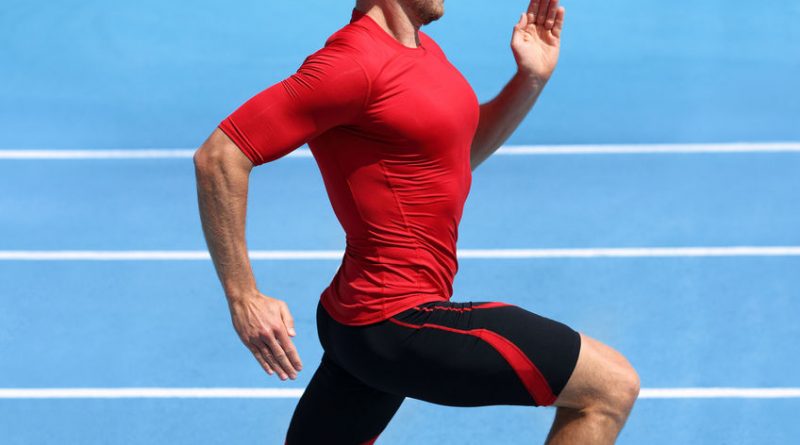
Because the material is so form-fitting, it doesn’t get in the way of an athlete’s movement like baggy clothing could. Many athletes say they barely notice they’re wearing compression apparel while training or competing.
Click here to check out the pros and cons of compression apparel.
Beyond the Game: Compression for Recovery and Injury Prevention
Perhaps the most well-documented benefit of compression apparel lies in what it does after your workout is over. In my experience, effective recovery is what separates good athletes from great ones.
The science strongly supports using compression as a recovery tool.
One of the biggest hurdles to consistent training is Delayed Onset Muscle Soreness, or DOMS. Multiple studies and meta-analyses have shown that wearing compression garments after intense exercise effectively reduces the severity of DOMS. It works by limiting the space available for swelling and improving the circulation needed to clear out metabolic waste products that contribute to soreness.
A recent meta-analysis published in March 2025 went even further. It concluded that compression garments significantly lessen the decline in both muscle strength and power after a tough workout. This means you can return to your training sooner with your performance closer to its peak.
RELATED: Self-Ventilating Workout Suit: Has Technology Gone Overboard?
One researcher noted, “Anything that can prevent or delay this damage and/or change in performance could be an advantage. 57% of on-field injuries during soccer matches are related to fatigue and compression stockings [socks] may provide a simple method of injury prevention.”
While that study focused on female athletes, the physiological benefits apply to everyone. For now, athletes should consider using this technology to boost their performance and lower their risk of injury.
How to Choose the Right Compression Gear for You
Not all compression apparel is created equal. To get the real benefits, you need to choose the right product for your needs. The key is finding the correct fit and level of pressure, which is measured in millimeters of mercury (mmHg).
| Compression Level (mmHg) | Primary Use |
|---|---|
| 15-20 mmHg (Moderate) | Everyday wear, travel, and performance during exercise. |
| 20-30 mmHg (Firm) | Post-exercise recovery, managing significant swelling, and for athletes needing more intense support. |
| 30-40+ mmHg (Medical Grade) | Typically requires a doctor’s recommendation for managing medical conditions. |
When choosing gear, consider these tips from experienced users and pros:
- Don’t Size Down Aggressively: A common mistake noted on fitness forums is buying a size that is too small. True compression gear is designed to be tight at your actual size. A garment that’s too restrictive can cut off circulation, defeating the purpose. Always follow the manufacturer’s sizing chart, which often requires taking measurements of your limbs.
- Check the Material: Look for blends of nylon, spandex, or Lycra. These fabrics provide durability, flexibility, and crucial moisture-wicking properties to keep you dry.
- Consider the Brand: Beyond household names, brands like 2XU, CW-X, and CEP specialize in high-performance compression wear with specific features, like CW-X’s EXO-WEB technology that supports joints and muscles.
FAQs About Compression Apparel
How tight should compression apparel feel?
Compression clothing should feel snug and supportive, like a firm hug for your muscles. It should not be painful, pinch your skin, or restrict your range of motion. If you see significant indentations or experience numbness, the garment is too tight.
Can you wear compression apparel all day?
For moderate compression levels (15-20 mmHg), it is generally safe to wear the garments for extended periods, such as during long travel days or for all-day recovery. However, unless advised by a doctor, it is best to avoid sleeping in compression gear.
How should you wash compression clothing?
To maintain the elasticity and compression properties, you should wash your gear in cold water with a mild detergent. Avoid using fabric softeners, as they can break down the elastic fibers. It is best to air dry your compression apparel instead of putting it in a machine dryer, which can damage the fabric.
Do you use compression apparel? Do you wear it for the looks or for the performance benefits? I’d love to hear your feedback in the comments!
Source:
Larissa Neves Pavin, Anthony S. Leicht, Samuel Valencia Gimenes, Bruno Victor Corrêa da Silva, Mário Antônio de Moura Simim, Moacir Marocolo, Gustavo Ribeiro da Mota. Can compression stockings reduce the degree of soccer match-induced fatigue in females? Research in Sports Medicine, 2018.


*Disclosure: This article may contain affiliate links or ads, which means we earn a small commission at no extra cost to you if you make a purchase through these links. These commissions help support the operation and maintenance of our website, allowing us to continue producing free valuable content. Your support is genuinely appreciated, whether you choose to use our links or not. Thank you for being a part of our community and enjoying our content.
PLEASE CONSIDER SHARING THIS ON YOUR SOCIAL MEDIA TO HELP OTHERS LEARN MORE ABOUT THIS TOPIC.