

The Dangers of Eating Processed Food Instead of Real Food
Choosing between real food and processed options is one of the most important decisions you can make for your health. The evidence is clear, real food is always the superior choice for your body.
In my work as a certified sports nutritionist and trainer, I’ve seen the profound impact this choice has on energy levels, body composition, and overall well-being. But the lines can sometimes feel blurry.
You might not think of ground turkey as processed, but technically, it is. The key difference lies in the method. Mechanical processing, like grinding meat or freezing vegetables, simply changes a food’s form. It doesn’t strip away its nutritional value. Chemical processing, on the other hand, creates what are known as ultra-processed foods (UPFs). A 2024 study in *The BMJ* linked these foods to 32 different adverse health outcomes.
This guide will help you understand the dangers of eating processed food, identify it in the grocery store, and make confident choices that nourish your body.
Related Article: Stop Comparing Yourself to Others and Am I COLD?
Some definitions can be a bit extreme. For example, Robert Lustig, MD, suggested any food with a Nutrition Facts label isn’t “real.” While the sentiment is understandable, it overlooks many healthy options. Making beef jerky in a dehydrator, for instance, is a form of processing, but no chemicals are added. It remains a wholesome food. Pre-washed spinach, frozen berries, and pre-cut vegetables are other great examples of healthy, minimally processed foods that offer convenience without sacrificing nutrition.
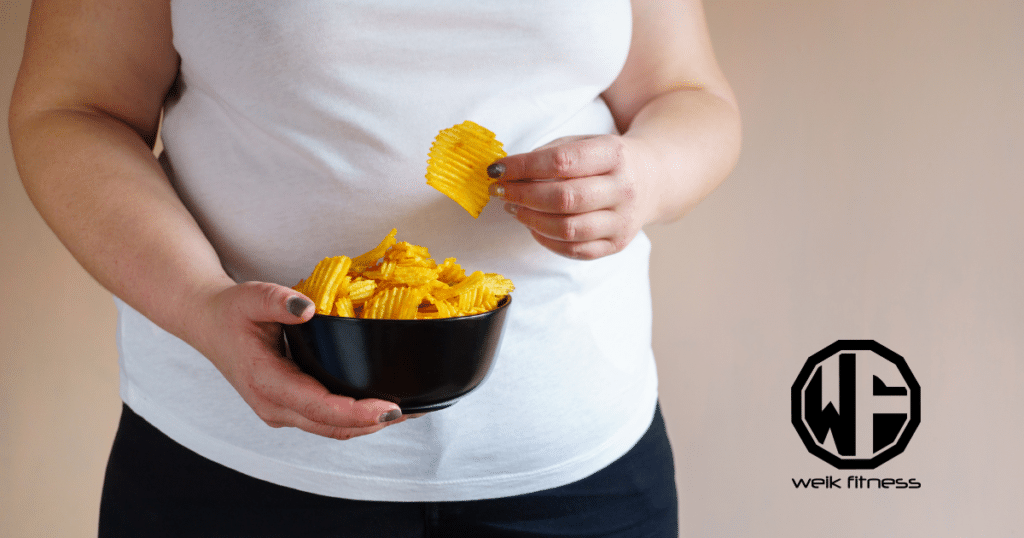
A more practical definition comes from Trinh Le, MHP, RD, who describes real food as something that comes from the earth and remains close to its natural state. A key characteristic of real food is that it will eventually spoil. An apple slice turns brown in minutes, but a bag of processed apple slices can last for a week because of added preservatives.
Related Article: How to Naturally Fight the Aging Process
Disclaimer: This article is for informational purposes only and is not meant to treat or diagnose any condition. It is recommended that you speak with your doctor before starting any exercise program, changing your daily nutrition, or adding any supplements to your regimen.
Table of contents
Key Takeaways
- Real food is whole, single-ingredient food that is as close to its natural state as possible. Minimal processing like cutting or freezing is acceptable.
- Ultra-Processed Foods (UPFs) contain industrial ingredients like preservatives, artificial colors, and high-fructose corn syrup, and are linked to numerous health risks.
- A simple strategy for healthier eating is to shop the perimeter of the grocery store, where fresh produce, meats, and dairy are typically located.
- You can identify highly processed foods by their long ingredient lists filled with chemical names you don’t recognize. Using an app like Yuka or Fooducate can also help you analyze product labels.
Where Your Focus Should Be
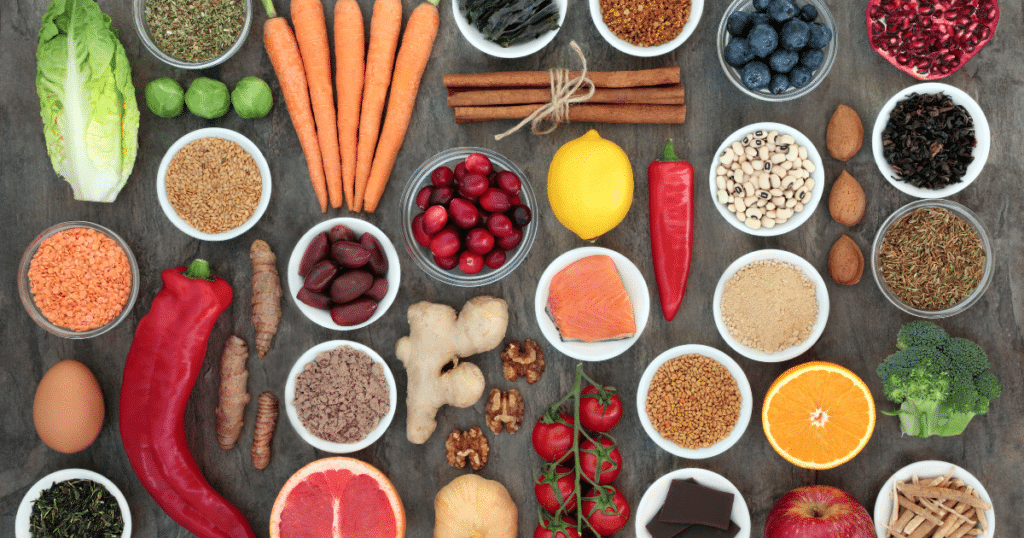
Your focus should be on gradually replacing ultra-processed foods with whole, real food options. It is not about perfection, but about making conscious, healthier choices most of the time. The main barrier for most people is convenience. Preparing real food takes more time than opening a box, but the health trade-offs are significant.
Ultra-processed foods now account for nearly 60% of the calories in the average American diet, according to a study in *The American Journal of Clinical Nutrition*. This shift is a primary driver of many modern health issues.
A simple and effective strategy is to get acquainted with the outer walls of the grocery store. This is where you’ll find most of the real food. The perimeter is home to fresh fruits, vegetables, and lean proteins like beef, chicken, eggs, and fish. While not everything on the perimeter is perfect, it’s a much safer place to shop than the inner aisles, which are packed with packaged and processed goods.
Related Article: Don’t Be Fooled By These 5 Food Packaging Tricks
When you eat foods in their natural state, you get all their vital nutrients. Heavy processing often strips these nutrients away, replacing them with empty calories, sodium, and unhealthy fats.
Key Benefits of Choosing Real Food Options
Switching to a diet based on real food delivers a wide range of benefits for your health and well-being. Here are some of the most impactful reasons to make the change.
Packed with Nutrients and Fiber
Real foods like fruits, vegetables, nuts, and whole grains are loaded with essential vitamins, minerals, and fiber that your body needs to function optimally. Fiber is particularly important for digestive health and can help you feel full, which aids in weight management. In contrast, the refining process used to make processed foods often removes much of this natural fiber.
Supports Better Weight Management
Real food may help prevent overeating because it’s more satisfying. A landmark 2019 study from the National Institutes of Health (NIH) found that participants on an ultra-processed diet consumed about 500 more calories per day and gained more weight compared to those on a minimally processed diet. The high fiber and water content in whole foods promote feelings of fullness that processed foods are designed to override.
By focusing on nutrient-dense real food, you naturally regulate your appetite and calorie intake, making it easier to maintain a healthy weight.
Improves Heart and Metabolic Health
A diet rich in real food is excellent for your heart. Healthy fats from avocados, nuts, and olive oil, along with antioxidants from berries and leafy greens, help protect against heart disease. Furthermore, real food helps control blood sugar levels. Unlike processed carbohydrates that can cause sharp spikes in blood sugar, the fiber in whole foods slows down sugar absorption, promoting more stable energy levels and reducing the risk of type 2 diabetes.
- Low in added sugar and sodium
- Rich in healthy fats and antioxidants
- Free of artificial ingredients and preservatives
- Good for your skin and may reduce disease risk
How Do You Know If A Food Is Processed?
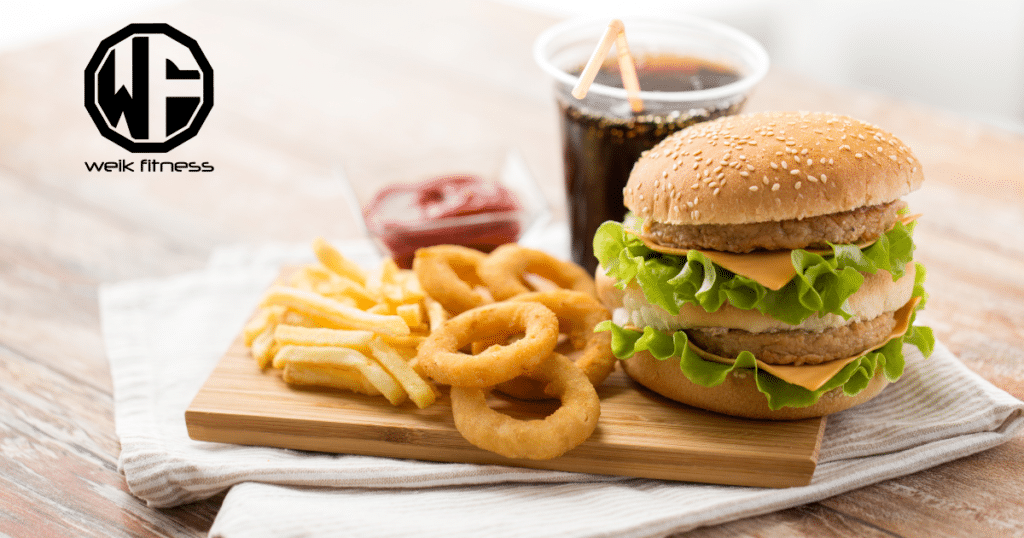
The easiest way to identify processed food is by looking at its packaging and ingredient list. If it comes in a box, bag, or can and has a long list of ingredients with names you can’t pronounce, it’s almost certainly processed.
A helpful framework is the NOVA classification system, which groups food by its level of processing.
- Group 1: Unprocessed or Minimally Processed Foods. This is real food in its natural state. Think fresh fruits, vegetables, eggs, and plain meat.
- Group 2: Processed Culinary Ingredients. These are ingredients derived from Group 1 foods, like olive oil, butter, and salt.
- Group 3: Processed Foods. These are combinations of Group 1 and 2 foods. Examples include canned vegetables, simple breads, and cheeses.
- Group 4: Ultra-Processed Foods (UPFs). These are industrial formulations with five or more ingredients. They often include substances not used in home cooking, like high-fructose corn syrup, hydrogenated oils, artificial colors and flavors, and preservatives like BHA and sodium nitrite.
The foods you want to minimize are in Group 4. These products are designed for a long shelf life, not for your health. A classic example is a Twinkie, loaded with preservatives to last for an incredibly long time on the shelf. These foods are engineered to be hyper-palatable, making them easy to overeat without ever feeling full.

Choosing cheaper, convenient processed options comes at a cost to your long-term health. Overconsumption of these foods is directly linked to weight gain, which opens the door to numerous preventable illnesses.
A great way to start is by swapping just one processed item for a real food option each week during your grocery shopping. Instead of a boxed cereal, try oatmeal with fresh berries. Instead of a frozen dinner, try cooking a simple meal of chicken and roasted vegetables. Small changes add up, and your body will thank you.
Related Article: 8 Tips to Make Smarter Buying Decisions at the Grocery Store
FAQs About Real Food vs Processed Food
Are frozen fruits and vegetables considered processed foods?
Frozen fruits and vegetables are considered minimally processed. The process of flash-freezing produce shortly after harvesting actually locks in nutrients, making them a healthy and budget-friendly alternative to fresh, especially for out-of-season items. Just be sure to buy plain frozen produce without added sugars, sauces, or salt.
How can I eat real food on a tight budget?
Eating real food on a budget is very achievable. Focus on inexpensive staples like beans, lentils, eggs, oats, and potatoes. Buy fruits and vegetables that are in season, as they are typically cheaper. Cooking meals in larger batches at home is almost always less expensive than buying pre-packaged, processed meals.
Are plant-based meats like Beyond Meat or Impossible Burgers considered real food?
While they are plant-based, most of these popular meat alternatives fall into the ultra-processed food category. They often have long ingredient lists that include protein isolates, modified starches, and artificial additives to mimic the taste and texture of meat. For a less processed vegetarian option, choose whole foods like lentils, beans, or tofu.


*Disclosure: This article may contain affiliate links or ads, which means we earn a small commission at no extra cost to you if you make a purchase through these links. These commissions help support the operation and maintenance of our website, allowing us to continue producing free valuable content. Your support is genuinely appreciated, whether you choose to use our links or not. Thank you for being a part of our community and enjoying our content.
PLEASE CONSIDER SHARING THIS ON YOUR SOCIAL MEDIA TO HELP OTHERS LEARN MORE ABOUT THIS TOPIC.