
8 Tips to Make Smarter Buying Decisions at the Grocery Store
Ever walk into the grocery store for a few things and walk out with a cart full of food you never planned on buying? It’s a common experience. In fact, some reports show that impulse buys can make up a shocking 62% of all supermarket sales.
You have the best intentions to make smarter buying decisions at the grocery store, but it’s easy to get sidetracked by tempting displays and those donuts in the bakery case.
As a certified strength and conditioning coach and sports nutritionist, I’ve spent years helping clients navigate these exact challenges. The key isn’t perfection, it’s about having a solid strategy. This guide will give you the practical tips you need to minimize mistakes and turn every grocery trip into a win for your health and your wallet.
Related Article: Are Chicken Farms Fooling You About the Chicken Quality?
Disclaimer: This article is for informational purposes only and is not meant to treat or diagnose any condition. It is recommended that you speak with your doctor before starting any exercise program, changing your daily nutrition, or adding any supplements to your regimen.
Table of contents
- 8 Strategies to Make Better Choices at the Grocery Store
- 1. Make an actual grocery list
- 2. Never shop at the grocery store when hungry
- 3. The bulk of purchases should be from the outer perimeter
- 4. Buy frozen when you can’t get fresh
- 5. Choose plain flavors and add your own flavoring
- 6. Read the label and ingredients, not the front of the box
- 7. Fresh and lean is always your best choice
- 8. Fewer ingredients are generally always a healthier option at the grocery store
- FAQs About Grocery Store Shopping Strategies
Key Takeaways
- Plan Ahead: Always create a detailed grocery list before you shop and eat a meal or snack beforehand to prevent impulse buys driven by hunger.
- Shop the Perimeter: Focus your shopping on the outer edges of the grocery store where fresh, whole foods like produce, lean meats, and dairy are located.
- Read the Fine Print: Ignore flashy front-of-box claims and read the nutrition label and ingredients list on the back to understand what you’re really buying.
- Embrace Frozen Foods: Don’t overlook the freezer aisle. Frozen fruits and vegetables are picked at peak ripeness, locking in nutrients, and are often more affordable than fresh, especially for out-of-season items.

8 Strategies to Make Better Choices at the Grocery Store
If you want to make healthier choices and stick to your budget while grocery shopping, try implementing these proven strategies.
1. Make an actual grocery list
Walking into a grocery store without a plan is a recipe for disaster. It often leads to wandering every aisle and tossing whatever looks appealing into your cart. That’s not a plan, it’s a way to overspend and buy things that don’t align with your health goals.
Making a list is your single best defense. It turns your trip into a mission with clear objectives. If it’s on the list, it goes in the cart. If it’s not, it stays on the shelf. This requires some discipline, but it’s a powerful habit.
To make it even easier, use a dedicated app. Tools like AnyList or OurGroceries allow you to create and share lists with family members, organize items by store aisle, and even add items with your voice. Using an app ensures your list is always with you and helps streamline the entire process.
2. Never shop at the grocery store when hungry
We’ve all made this mistake, and it almost always ends in regret. When you’re hungry, everything looks delicious, and your brain’s desire to acquire things goes into overdrive. This makes you vulnerable to every temptation, from the free samples to the candy at the checkout.
A 2015 study from the University of Minnesota found that hungry shoppers spent a staggering 64% more money than those who were less hungry, even on non-food items. Hunger puts you in a “get more stuff” mode, which is dangerous for your wallet and your waistline.
The solution is simple. Eat a balanced meal or a protein-rich snack before you head to the grocery store. Having a full stomach helps you think clearly and stick to your plan, allowing you to make better buying decisions at the grocery store.
3. The bulk of purchases should be from the outer perimeter
Grocery stores are designed with a specific psychology in mind. The fresh, whole foods, which are the healthiest options, are almost always placed around the outer perimeter. Think about it, you’ll find produce, lean proteins like chicken and fish, dairy, and eggs along these walls. These should form the foundation of your cart.
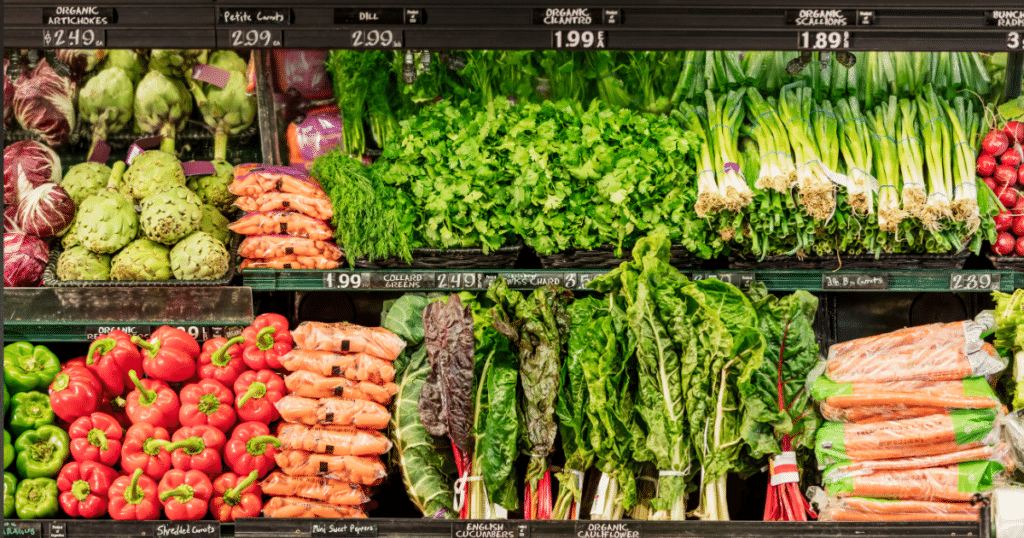
The center aisles are where most of the processed and packaged items live. While you don’t need to avoid them completely, you should enter them with a purpose. There are plenty of healthy staples in these aisles.
- Natural nut butters and whole nuts
- Canned beans, lentils, and chickpeas
- Whole grains like quinoa, brown rice, and oats
- Unsweetened tea and water
Related Article: Eating Healthy on a Budget Isn’t Truly That Difficult
Aim to fill the majority of your cart from the perimeter, then make strategic trips into the aisles for the specific items on your list.
4. Buy frozen when you can’t get fresh
There’s a common misconception that frozen produce is less nutritious than fresh, but that’s often not true. In fact, research shows that frozen fruits and vegetables can be just as, or even more, nutrient-dense.
This is because produce destined for the freezer is picked at peak ripeness and flash-frozen within hours, which locks in vitamins and minerals. Fresh produce, on the other hand, can spend days or weeks in transit and on store shelves, losing nutrients along the way. One study found that vitamin C levels in frozen corn and green beans were significantly higher than their fresh counterparts that had been refrigerated for a few days.
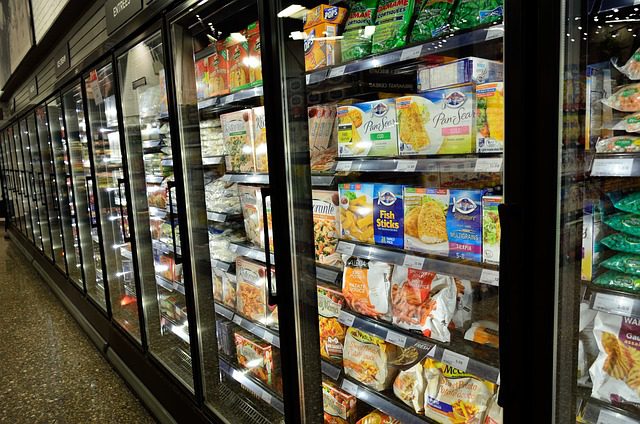
Frozen options are perfect for smoothies, stir-fries, or as a quick side dish. Just be sure to choose plain fruits and vegetables without added sauces, sugar, or salt, which can add unnecessary calories and sodium.
5. Choose plain flavors and add your own flavoring
Pre-flavored and pre-seasoned products are convenient, but that convenience often comes at a nutritional cost. Sauces, marinades, and flavor packets are frequently loaded with hidden sugars, sodium, and unhealthy fats.
To make better buying decisions at the grocery store, always opt for the plain version. Buy plain yogurt instead of fruit-flavored, plain oats instead of sweetened instant packets, and plain cuts of meat instead of pre-marinated ones.
This puts you in complete control of the ingredients. When you get home, you can add your own flavor with healthier alternatives. Use fresh fruit in your yogurt, cinnamon in your oatmeal, and experiment with a variety of seasonings and herbs on your proteins. This adds incredible flavor without the unnecessary calories and additives.
6. Read the label and ingredients, not the front of the box
The front of a food package is marketing. It’s designed to catch your eye with appealing images and health-related buzzwords like “low sugar” or “all-natural.” Unfortunately, these claims can be misleading. A product might be low in sugar but high in fat to compensate for flavor.
Related Article: The Dangers of Eating Processed Food Instead of Real Food
The real story is on the Nutrition Facts label and the ingredients list on the back. This is where you’ll find the information to make a truly informed choice. A great rule of thumb is the FDA’s “5/20 Rule.” If a nutrient has a Percent Daily Value (%DV) of 5% or less, it’s considered low in that nutrient. If it’s 20% or more, it’s high. Use this to aim for foods high in fiber and vitamins while keeping saturated fat, sodium, and added sugars low.
7. Fresh and lean is always your best choice
When selecting proteins, prioritize fresh and lean options. This might mean paying a little more, but the quality of your meals will improve significantly. For example, choose skinless chicken breasts or look for ground turkey that is at least 93% lean.

Another smart tip I share with my clients is to check the unit price. The shelf tag will show the price per ounce, pound, or item. Comparing the unit price between different brands or package sizes ensures you’re getting the best value for your money. Also, don’t forget to check expiration dates. For the freshest items like milk or meat, reach for packages at the back of the shelf, as stores typically stock with a “first in, first out” method.
8. Fewer ingredients are generally always a healthier option at the grocery store
Take a moment to read the ingredient list on a highly processed, pre-packaged product. You’ll often find a long list of unpronounceable items. These are typically artificial preservatives, colors, and flavors that our bodies are better off without.
Related Article: Don’t Be Fooled By These 5 Food Packaging Tricks
A great principle for healthy eating is to choose foods with minimal ingredients. Ideally, the healthiest foods have just one ingredient, like a banana or a sweet potato. For packaged goods, look for a short, simple ingredient list. If the list reads more like a science experiment than a recipe, it’s best to put it back on the shelf and find a more natural alternative.
FAQs About Grocery Store Shopping Strategies
What are the best days or times to go grocery shopping?
Shopping during off-peak hours, like weekday mornings or evenings, can help you avoid crowds and have a more focused trip. Some shoppers find that Wednesday is a good day because many stores launch their new weekly sales, but the aisles are less crowded than on the weekend.
How can I save money at the grocery store while still eating healthy?
Eating healthy on a budget is very achievable. Focus on buying produce that is in season, as it’s typically more affordable. Don’t be afraid to buy store or generic brands for staple items like oats, canned beans, and rice, as they are often much cheaper than name brands with similar quality. Also, incorporating plant-based proteins like lentils and beans into your meals can significantly cut costs.
Is organic always a better choice from the grocery store?
The term “organic” refers to how the food was grown and processed. While it can be a great choice, it’s not always necessary for every item, especially if you’re on a budget. The Environmental Working Group (EWG) releases an annual “Dirty Dozen” and “Clean Fifteen” list. These guides identify the produce with the highest and lowest levels of pesticide residue. You can use these lists to prioritize which items to buy organic and where you can save money by buying conventional produce.


*Disclosure: This article may contain affiliate links or ads, which means we earn a small commission at no extra cost to you if you make a purchase through these links. These commissions help support the operation and maintenance of our website, allowing us to continue producing free valuable content. Your support is genuinely appreciated, whether you choose to use our links or not. Thank you for being a part of our community and enjoying our content.
PLEASE CONSIDER SHARING THIS ON YOUR SOCIAL MEDIA TO HELP OTHERS LEARN MORE ABOUT THIS TOPIC.