
Pea Protein Powder: The Future of Sports Nutrition?
Navigating the world of protein powders can feel overwhelming. You have whey, casein, egg, and soy, with options like fast-digesting isolates and slow-digesting concentrates. But a powerful plant-based option is changing the landscape of sports nutrition: pea protein powder.
Yes, that’s right. The same humble peas that are a dinner table staple are now a powerhouse in the supplement aisle. Pea protein is showing up in everything from energy bars to cereals, and for good reason.
As a certified sports nutritionist with years of experience, I’ve seen how the right supplements can unlock performance. Shockingly, peas are a fantastic source of high-quality protein. While it’s not a “complete” protein on its own because it’s lower in one amino acid, it delivers impressive health benefits. The global pea protein market is projected to grow from 1.82 billion dollars in 2026 to over 4.08 billion by 2036, a clear sign of its rising importance. More research also continues to show that plant-based diets can help reduce health risks like obesity and high blood pressure.
It’s common to see blends of protein designed for different goals. An isolate is great for post-workout recovery, while a blend helps you hit your daily protein source targets. Pea protein fits perfectly in the middle, digesting slower than whey but faster than casein, making it incredibly versatile.
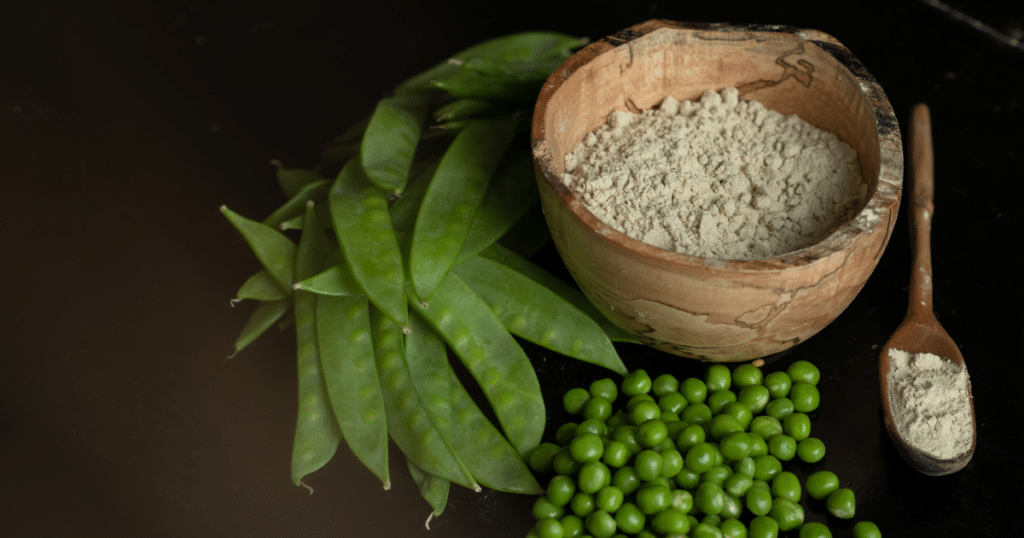
So, where does that leave pea protein powder? It occupies a unique and valuable space between animal-based and other plant-based proteins.
Related Article: Is Pea Protein as Good as Whey?
Pea protein powder is absorbed in about 45 to 60 minutes, which makes it a solid choice for post-workout recovery if you choose to use it then. This guide will break down exactly what makes it a key player in the future of sports nutrition.
Disclaimer: This article is for informational purposes only and is not meant to treat or diagnose any condition. It is recommended that you speak with your doctor before starting any exercise program, changing your daily nutrition, or adding any supplements to your regimen.
Table of contents
Key Takeaways
- Pea protein is a highly digestible, plant-based protein derived from yellow split peas that is rich in iron and BCAAs.
- It’s proven to be as effective as whey protein for building muscle thickness, making it an excellent choice for athletes and fitness enthusiasts.
- Its hypoallergenic nature makes it ideal for individuals with allergies to dairy, soy, or gluten.
- Pea protein supports weight management by increasing feelings of fullness and can contribute to better heart health.
What is Pea Protein Powder?
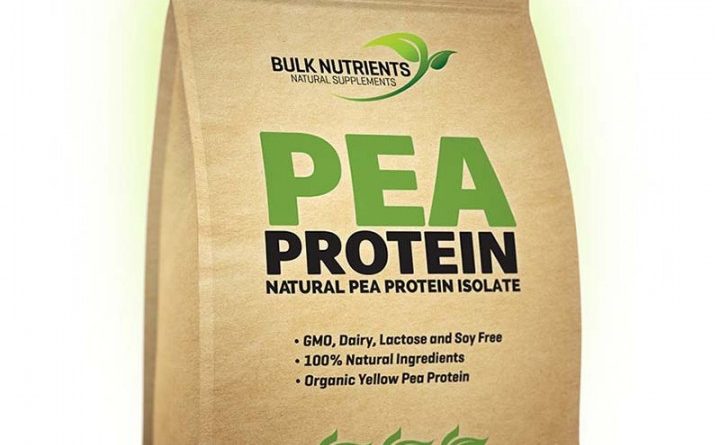
Pea protein powder is a supplement made by extracting protein from yellow split peas (Pisum sativum). The process involves drying and grinding the peas into a fine flour, then using a water-based process to separate the fiber and starch, leaving a concentrated protein isolate. This results in a powder that typically provides 20-25 grams of protein per serving.
It has become a go-to ingredient for those on vegan and vegetarian diets because of its high protein content and clean profile. You’ll find it in a wide range of products, including shakes, bars, and plant-based meat alternatives from brands like Beyond Meat and Ripple Foods.
Key Characteristics
- High-Quality Protein Source: Pea protein contains all nine essential amino acids, although it is lower in methionine. It is particularly rich in branched-chain amino acids (BCAAs) like leucine, which are critical for muscle growth.
- High Digestibility: It is one of the more easily digested plant-based proteins, with a digestibility rate of around 94%. This means you get the benefits without the bloating that can sometimes occur with other protein sources.
- Hypoallergenic: Since it’s naturally free from gluten, dairy, and soy, it is a safe option for people with common food allergies or sensitivities.
- Eco-Friendly: Pea cultivation has a much lower environmental footprint than animal-based proteins, requiring significantly less water and land.
- Rich Nutritional Profile: Beyond protein, it’s an excellent source of iron and arginine. In fact, it contains about three times more arginine than whey protein, which helps promote healthy blood flow.
Uses
- Protein Shakes: It’s most commonly used in post-workout shakes and meal replacement smoothies.
- Food Products: Many brands use it to boost the protein content of snacks, energy bars, and plant-based meat alternatives.
- Cooking and Baking: A great pro-tip I share with clients is to use it in cooking. You can substitute up to a third of the flour in recipes for baked goods, but you may need to add more liquid since it’s highly absorbent.
Who Should Use Pea Protein Powder?
Pea protein powder is a versatile supplement that is beneficial for a wide range of people. Here’s who I often recommend it to in my practice:
- Vegans and Vegetarians: It provides a high-quality, plant-based protein source to help meet daily needs without animal products.
- Individuals with Allergies: If you are sensitive or allergic to dairy, soy, or gluten, its hypoallergenic nature makes it a perfect fit.
- Athletes and Bodybuilders: Its rich BCAA and arginine content supports muscle repair, growth, and performance. A landmark 2015 study in the *Journal of the International Society of Sports Nutrition* found that men who consumed pea protein gained the same amount of muscle as those taking whey protein.
- People Focused on Weight Management: Protein helps you feel full longer. Research published in *Nutrition Journal* showed that taking pea protein 30 minutes before a meal significantly reduced calorie intake during that meal.
- Older Adults: It is effective for helping maintain muscle mass, which is crucial for health and mobility as we age.
- Anyone Wanting More Protein: It’s an easy and convenient way to boost your daily protein intake, no matter your dietary preferences.
The Benefits of Pea Protein Powder
Pea protein powder is packed with advantages that go beyond just being a plant-based option. Its unique profile makes it a standout choice for health and performance.
- Gluten, dairy, soy, and cholesterol-free
- Typically non-GMO
- Vegan and hypoallergenic
- Gentle on the digestive system with no bloating
- A great source of BCAAs for muscle recovery
If weight loss is your goal, pea protein can be a powerful ally. It helps lower levels of ghrelin, the hormone that signals hunger to your brain. By suppressing this sensation, it can help you control your appetite and reduce overall calorie intake. A 2022 study confirmed it is just as effective at promoting fullness as dairy proteins like whey and casein.
But this supplement isn’t just for those avoiding animal products. A balanced diet with varied protein sources is always a good strategy. While the flavor of unflavored pea protein can be earthy, many find it perfectly acceptable. Some people add natural sweeteners like stevia. An even better trick that many users on forums like Reddit suggest is to mix it with strong flavors like cocoa powder or a banana to create a delicious smoothie.
You can also mix it in a shaker bottle with a flavored protein like whey, and you likely won’t notice the difference in taste. Many brands, like Naked Nutrition and NOW Sports, are known for producing cleaner, more neutral-tasting powders.

For athletes, the high content of the amino acid lysine is a major plus. Lysine aids in the formation of collagen, which helps protect cartilage and tendons from the intense forces of exercise and training. A strong immune system is also critical for consistent performance, and the lysine in pea protein can help support it.
Does this mean you can stop eating whole foods? Absolutely not. Pea protein powder is a supplement, and it should be used to complement a diet rich in natural, whole food choices.
FAQs About Pea Protein Powder
Is pea protein a complete protein?
Yes, pea protein contains all nine essential amino acids. However, it is a bit low in one of them, methionine. For this reason, some experts technically don’t classify it as a complete protein. But this is easily balanced by eating a varied diet that includes other methionine-rich foods like brown rice, poultry, or fish. For anyone eating a balanced diet, this small gap is not a concern.
Can pea protein cause gas or bloating?
Generally, no. Because the fiber and starches are removed during the isolation process, pea protein powder is typically easy to digest and doesn’t cause the bloating some people experience with whole legumes or even whey protein. Its high digestibility rate means most people tolerate it very well.
How does pea protein taste?
Unflavored pea protein has a mild, sometimes earthy taste. The texture of some brands can be slightly gritty, though processing methods have improved this significantly. If you’re new to it, I recommend mixing it into a smoothie with fruit, cocoa powder, or nut butter, which easily masks the natural flavor.
Is pea protein as good as whey for building muscle?
The science says yes. Multiple studies have shown that pea protein is just as effective as whey protein for promoting muscle gains when combined with resistance training. Research published in 2024 also found that PPr supplementation led to strength and muscle mass improvements comparable to WPr in sedentary adults starting a training program. It provides the necessary BCAAs to stimulate muscle protein synthesis, making it a powerful alternative to dairy-based proteins.

*Disclosure: This article may contain affiliate links or ads, which means we earn a small commission at no extra cost to you if you make a purchase through these links. These commissions help support the operation and maintenance of our website, allowing us to continue producing free valuable content. Your support is genuinely appreciated, whether you choose to use our links or not. Thank you for being a part of our community and enjoying our content.
PLEASE CONSIDER SHARING THIS ON YOUR SOCIAL MEDIA TO HELP OTHERS LEARN MORE ABOUT THIS TOPIC.