
Is Pea Protein As Good As Whey?
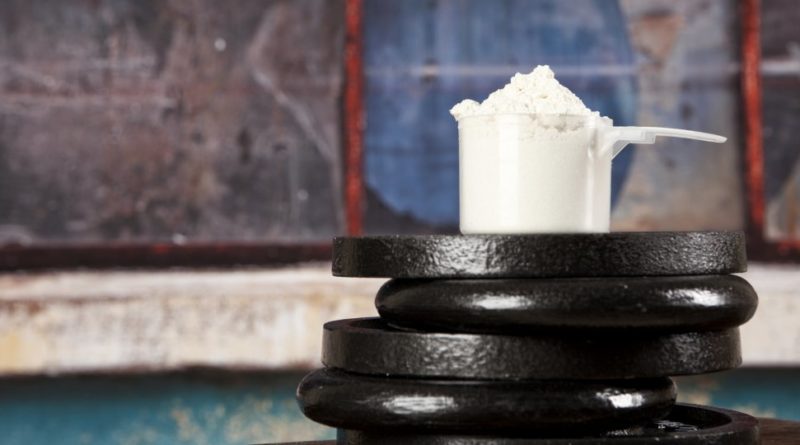
You have more protein powder options than ever, and it’s easy to get stuck on whey. But excellent plant-based alternatives are out there, and pea protein is a top contender.
So, is pea protein as good as whey? It delivers nearly the same amount of protein per scoop, which is a huge win. For anyone who is vegan, vegetarian, or lactose-intolerant, its dairy-free nature is a game-changer.
While this powerful veggie protein isn’t technically a “complete” protein on its own, it has a secret weapon: it contains significantly more of the amino acid arginine than whey. Arginine is a huge factor in building muscle. Plus, this type of protein is known for being a slower-digesting supplement. The natural fiber from peas helps you feel full longer, which can be a great tool for weight management.
Disclaimer: This article is for informational purposes only and is not meant to treat or diagnose any condition. It is recommended that you speak with your doctor before starting any exercise program, changing your daily nutrition, or adding any supplements to your regimen.
Table of contents
Key Takeaways
- Similar Protein Content: Pea protein offers a comparable amount of protein per serving (around 20-25 grams) to whey protein, making it effective for muscle support.
- Different Amino Acid Profiles: Whey is a complete protein rich in BCAAs. Pea protein is lower in the amino acid methionine but exceptionally high in arginine, which aids blood flow and muscle “pump.”
- Digestibility and Allergens: Pea protein is hypoallergenic, making it ideal for those with dairy, soy, or gluten sensitivities. Whey is milk-based and can cause issues for the lactose intolerant.
- Muscle Building Effectiveness: Studies, including one from the Journal of the International Society of Sports Nutrition in 2015, show that pea protein can stimulate muscle growth just as effectively as whey when taken consistently.
What is Pea Protein?
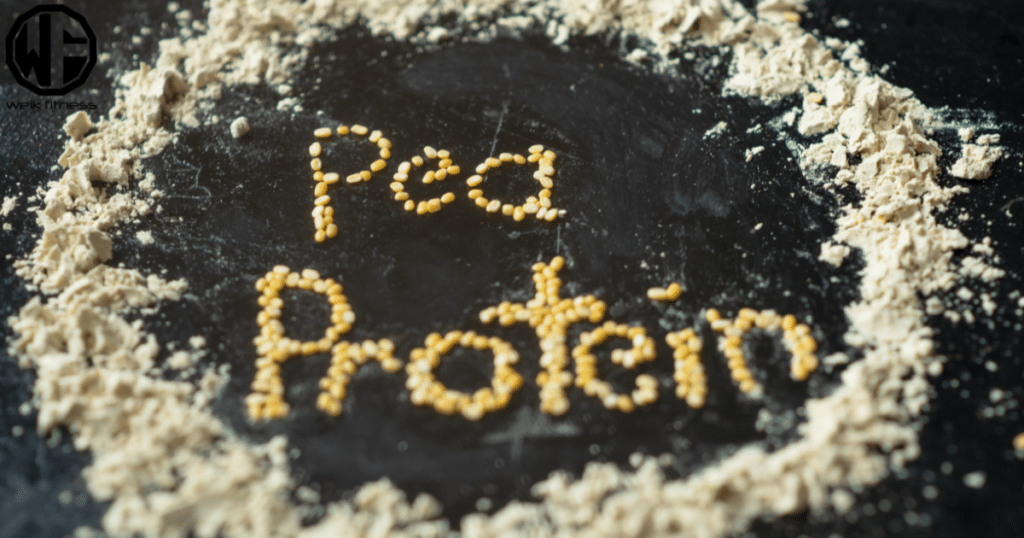
Pea protein is a high-quality protein extracted from yellow split peas (Pisum sativum). Through my years as a sports nutritionist, I’ve seen it grow from a niche alternative into a mainstream powerhouse. It’s now a go-to dietary supplement and a key ingredient in many foods because of its excellent nutritional profile and versatility.
Key Features
- High Protein Content: A typical scoop of pea protein isolate delivers 20-25 grams of protein. It contains all nine essential amino acids, though it is notably lower in methionine than whey.
- High Digestibility: It’s very easy on the stomach. Its Protein Digestibility-Corrected Amino Acid Score (PDCAAS) is around 0.9, which is quite high and comparable to sources like casein. Whey scores a perfect 1.0.
- Hypoallergenic: This is a major advantage. Unlike whey (dairy) and soy, pea protein is free from common allergens. This makes it a safe choice if you have sensitivities to dairy, lactose, soy, or gluten.
- Sustainable: From an environmental standpoint, pea protein is a winner. Growing peas has a much smaller water and carbon footprint compared to raising dairy cattle, making it a more eco-friendly choice.
Benefits of Pea Protein
- Builds Muscle Mass Effectively: A landmark 2015 study in the Journal of the International Society of Sports Nutrition found that athletes who used pea protein for 12 weeks saw the same gains in biceps muscle thickness as those who used whey protein.
- Keeps You Feeling Full: The fiber content in pea protein slows down digestion. This helps promote satiety, which can reduce overall calorie intake and support weight management goals.
- Supports Heart Health: Research has shown it may have a positive impact on cardiovascular health. A 2016 study found that it can help lower systolic blood pressure.
- Rich in Iron: Pea protein is a fantastic source of plant-based iron. A single serving can provide around 5-7.5 mg of iron, which is about 30% of the daily recommended intake for premenopausal women.

Uses of Pea Protein
Pea protein’s neutral flavor and good solubility make it incredibly versatile. I’ve seen it used in countless products beyond just protein powders.
- Protein Shakes and Smoothies: This is its most common use, blended with fruit, greens, and a liquid base for a post-workout or meal replacement shake.
- Baked Goods: You can add it to recipes for pancakes, muffins, and energy bars to significantly increase the protein content without affecting the texture too much.
- Plant-Based Products: It’s a cornerstone ingredient for many popular consumer products. For example, companies like Beyond Meat use pea protein to create the texture of their plant-based burgers, and Ripple Foods uses it as the base for their high-protein dairy-free milk.
Nutritional Profile
Here is a general comparison between a typical 30-gram serving of unflavored pea protein isolate and whey protein concentrate.
| Nutrient | Pea Protein (30g) | Whey Protein (30g) |
|---|---|---|
| Calories | ~120 | ~120 |
| Protein | ~24g | ~24g |
| Carbohydrates | ~1g | ~2g |
| Fat | ~2g | ~2g |
| Iron | ~5mg | <1mg |
| Arginine | ~2.6g | ~0.7g |
How to Incorporate Pea Protein into Your Diet
Getting started with pea protein is simple. Its mild taste makes it easy to add to foods you already enjoy.
- Smoothies: Blend a scoop of pea protein powder with your favorite fruits, spinach, and almond milk for a nutrient-packed smoothie.
- Baking: Substitute about a third of the flour in your pancake, waffle, or muffin recipes with pea protein powder for an easy protein boost.
- Soups and Sauces: Stir unflavored pea protein powder into creamy soups, stews, or pasta sauces to increase protein content without changing the flavor.
- Oatmeal and Yogurt: A pro-tip I give my clients is to mix it into oatmeal or a plant-based yogurt. It adds creaminess and makes for a much more satisfying breakfast.
Pea protein is a versatile, nutritious, and sustainable protein source that fits easily into almost any diet and lifestyle.
The Difference Between Pea Protein and Whey Protein
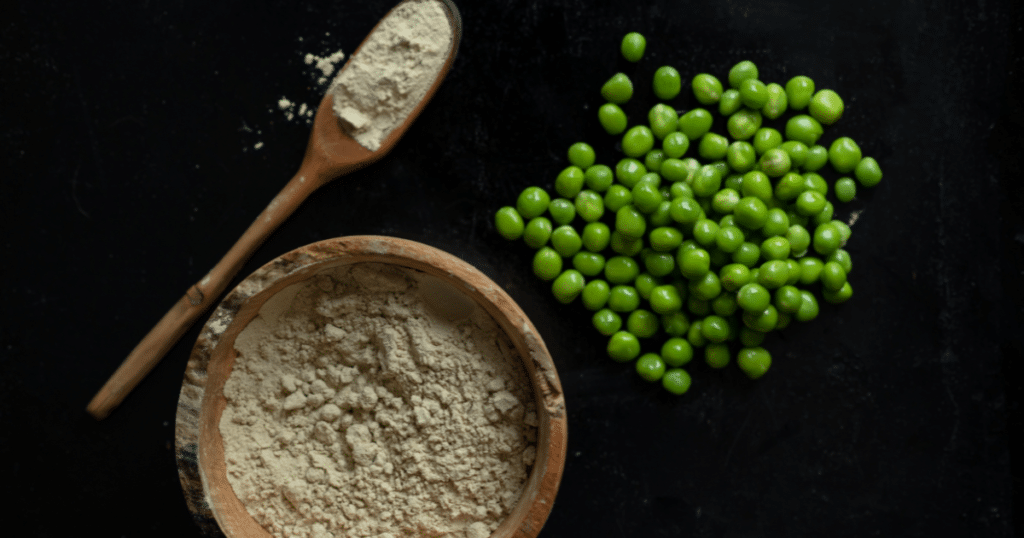
Many people ask if a vegetable protein can truly match the whey protein powers that have long been the gold standard in the gym. Side-by-side, pea protein stacks up incredibly well, but they have key differences that matter.
The protein content per scoop is nearly identical. However, the amino acid profiles are different. If you’re concerned about pea protein’s lower methionine level, you can simply mix it with another plant-based powder like brown rice protein to create a complete profile that rivals whey.
You should also be aware of the taste. Unflavored pea protein has an earthy, slightly chalky taste. This is easily improved by adding other ingredients like fruit, cocoa powder, or a spoonful of almond butter to your shake.
Related Article: Pea Protein — The Future of Sports Nutrition?
The two proteins look almost the same on paper, but pea protein’s high arginine content is a major advantage. Arginine is a vasodilator, meaning it helps widen your blood vessels. This improves the transport of nutrients and oxygen to your muscles during a workout, helping give you that satisfying “pump” in the gym.
Ultimately, the biggest upside of pea protein is its accessibility. Because it’s dairy-free, soy-free, and gluten-free, it’s a fantastic option for a huge portion of the population, especially vegans and people with common food intolerances.
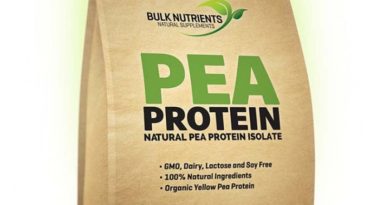
Here are the products mentioned in the article:
FAQs About Pea Protein
Can you build muscle with just pea protein?
Yes, you absolutely can. As mentioned, a key 2015 study confirmed that pea protein supplementation produced the same results in muscle growth as whey protein over a 12-week resistance training program. Its rich BCAA content, while slightly less than whey, is more than sufficient to trigger muscle protein synthesis.
Does pea protein cause bloating or gas?
For most people, no. Pea protein is generally considered very easy to digest. Since it’s free of lactose and gluten, two common culprits for digestive distress, many people find it causes less bloating than whey. However, some brands contain higher amounts of fiber or added ingredients like inulin, which can cause gas in sensitive individuals. Always check the label if this is a concern for you.
What should I look for when buying a pea protein powder?
When choosing a product, I recommend looking for a pea protein “isolate” rather than a “concentrate.” An isolate has undergone more processing to remove most of the carbs and fats, resulting in a higher protein content (typically 90% or more by weight). Also, check the ingredients list for unnecessary fillers, artificial sweeteners, or gums if you prefer a cleaner product.

*Disclosure: This article may contain affiliate links or ads, which means we earn a small commission at no extra cost to you if you make a purchase through these links. These commissions help support the operation and maintenance of our website, allowing us to continue producing free valuable content. Your support is genuinely appreciated, whether you choose to use our links or not. Thank you for being a part of our community and enjoying our content.
PLEASE CONSIDER SHARING THIS ON YOUR SOCIAL MEDIA TO HELP OTHERS LEARN MORE ABOUT THIS TOPIC.