Electrical Muscle Stimulation: Does EMS Increase Muscle Growth?
You’re putting in the work at the gym, your nutrition is dialed in, but you’re looking for an edge. You want something that can help you get stronger and recover faster. The global market for electrical muscle stimulation devices is expected to hit $1.5 billion in 2026, and for good reason.
This technology is exploding in popularity because it offers a scientifically-backed way to enhance your training.
So, can zapping your muscles with electricity really help them grow? As a certified strength coach and sports nutritionist, I’ve seen countless fitness technologies come and go. But electrical muscle stimulation, or EMS, is one that has firmly established itself, moving from physical therapy clinics to the gym bags of elite athletes.
Many top-tier athletes are not just using but endorsing EMS brands. Champions like Phil Heath and Mat Fraser have worked with companies like Compex to optimize their performance and recovery. This guide will break down the science behind EMS and show you how to use it to achieve your fitness goals more efficiently.
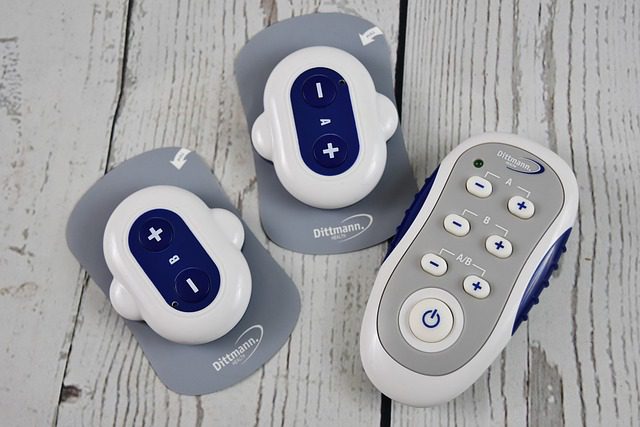
And if you’re curious, here is a link to the electrical muscle stimulation unit I personally use, which has been a game-changer for my training and recovery.
Disclaimer: This article is for informational purposes only and is not meant to treat or diagnose any condition. It is recommended that you speak with your doctor before starting any exercise program, changing your daily nutrition, or adding any supplements to your regimen.
Table of contents
Key Takeaways
- Electrical muscle stimulation uses external electrical impulses to cause muscle contractions, supplementing your regular workouts.
- Recent scientific analysis confirms that using EMS during resistance training can lead to greater gains in both muscle mass and strength compared to training alone.
- EMS is particularly effective at targeting Type II fast-twitch muscle fibers, which are crucial for explosive strength and size.
- For recovery, low-frequency EMS enhances blood flow and helps reduce delayed onset muscle soreness (DOMS).
- Always look for FDA-cleared devices from reputable brands like Compex or Therabody to ensure safety and effectiveness.
What is EMS Training?
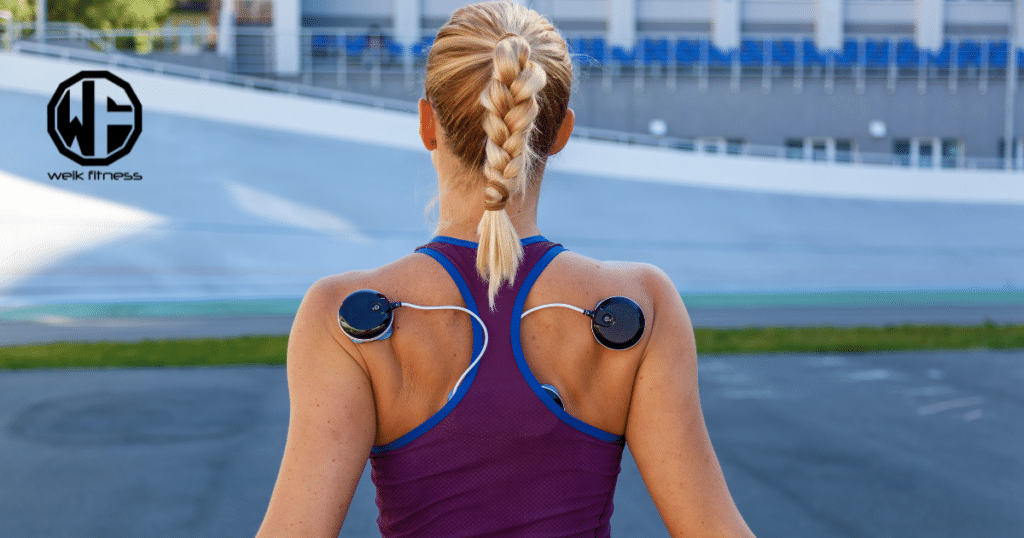
EMS training directly stimulates your muscles to contract using controlled electrical impulses. Normally, your brain sends signals through your central nervous system to make a muscle move. An EMS device essentially bypasses this process, sending a signal directly to the muscle through pads placed on your skin.
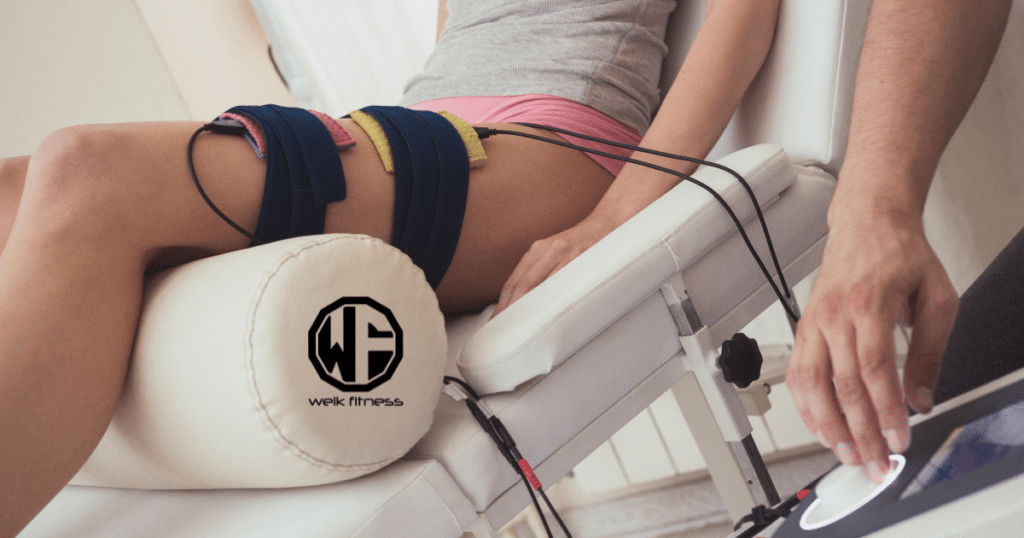
A trained professional, like a physical therapist, places small electrode pads on the targeted muscle group. These pads are connected to an EMS machine that delivers low-level electrical currents, causing the muscle to contract and twitch. Your body doesn’t distinguish between a voluntary contraction from your brain and one stimulated by the device.
The feeling can range from a light tingle to a strong, visible muscle contraction, depending on the intensity setting. A common mistake for beginners is incorrect pad placement, which can lead to less effective stimulation. For the best results, pads should be placed on the “motor point” of the muscle, which is the spot where the nerve enters and triggers the strongest contraction.
This technology is versatile. Athletes use it for warming up, during a workout to increase intensity, or afterward to kickstart recovery. Newer, whole-body EMS suits, like those from Katalyst and Visionbody, are even gaining traction for providing a full-body workout in just 20 minutes.
The Role of Science in Electrical Muscle Stimulation
While EMS might seem like a new trend, it has a solid scientific foundation. Its journey into the fitness world began back in 1976, when Soviet scientist Yohan Kots claimed it could boost strength by up to 40% in elite athletes. That research sparked decades of further investigation.
Modern research continues to validate its effectiveness. A 2025 meta-analysis published in the *European Journal of Applied Physiology* confirmed that combining EMS with resistance training leads to greater increases in muscle mass and strength than resistance training alone. This shows that EMS is a powerful supplement to your existing workout routine, not a replacement for it.
It’s crucial to use devices that have been properly vetted for safety. The U.S. Food and Drug Administration (FDA) provides clearance for medical devices that are proven to be safe and effective. Since 2001, over 117 powered muscle stimulators have received this 510(k) premarket approval, ensuring they meet specific standards. Always choose an FDA-cleared device to ensure you’re using a safe, legitimate tool for muscle growth and recovery.
How Does EMS Actually Help You?
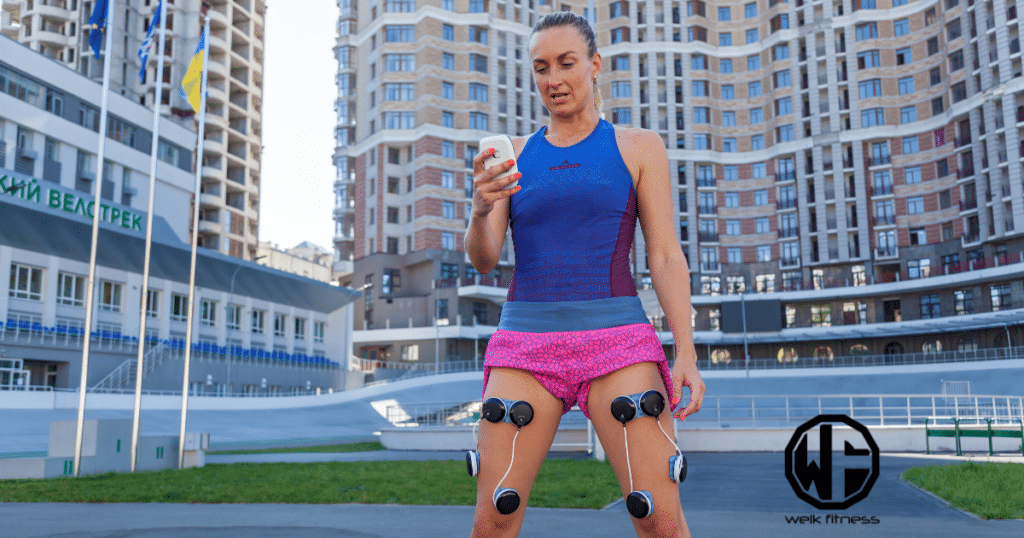
Pro athletes and serious fitness enthusiasts are using at-home EMS machines to get a real advantage. The technology has become more accessible and user-friendly, allowing you to target specific goals like muscle growth and faster recovery.
Here’s a breakdown of how it works for each goal.
Does Electrical Muscle Stimulation Help with Muscle Growth?
Yes, electrical muscle stimulation can absolutely support muscle growth. Resistance training works by repeatedly contracting your muscles, which causes micro-tears in the fibers. Your body then repairs these fibers, making them bigger and stronger, a process called hypertrophy. EMS triggers these same types of contractions.
The key advantage of EMS is its ability to activate muscle fibers that are hard to engage with traditional exercises. Specifically, it is highly effective at recruiting Type II fast-twitch muscle fibers. These are the fibers with the greatest potential for growth and explosive strength. Research shows that high-frequency stimulation is particularly effective at generating adaptations in these fibers.
For building strength, studies suggest using a frequency around 75 Hz is optimal for larger muscles like the quadriceps. According to some studies, consistent use for five to six weeks can increase muscle mass by about 1% and improve muscle function by 10-15%. While not a magic bullet, it’s a significant boost when combined with a solid training program.
Related Article: How to Stack Supplements for Muscle Growth
Does Electrical Muscle Stimulation Help with Muscle Recovery?
EMS is an incredibly effective tool for accelerating recovery. As C. Shanté Cofield, founder of “The Movement Maestro,” points out, it enhances blood circulation and can reduce swelling without requiring any additional exercise. This is especially useful after a grueling workout.
The secret is using a low-frequency setting, typically between 1-10 Hz. This creates a gentle “muscle pumping” action that doesn’t cause fatigue. This pumping motion helps flush out metabolic byproducts like lactic acid and reduces delayed onset muscle soreness (DOMS). In my own experience, using a recovery setting for 20 minutes after a heavy leg day significantly reduces soreness the next day.
The faster you recover, the sooner you can get back to training hard. Using an EMS device for recovery can be done passively, while you’re relaxing on the couch, making it an efficient addition to any athlete’s routine.

Key Benefits and Uses of EMS Therapy
To sum things up, here are some of the most impactful uses and benefits of adding electrical muscle stimulation to your fitness regimen.
- Enhanced Blood Flow: Research confirms that EMS increases blood flow to muscle tissue, which is vital for delivering nutrients and oxygen for repair and growth.
- Alleviates Muscle Pain and Spasms: EMS can help relieve muscle tightness and minimize spasms, particularly in areas like the lower back. Studies have also shown that athletes report a notable decrease in muscle pain following EMS protocols.
- Improved Psychological Recovery: Many athletes report feeling more refreshed and recovered after an EMS session. This psychological boost can improve motivation and readiness for the next workout.
- Prevents Muscle Atrophy: For individuals unable to exercise due to injury or illness, EMS is a powerful tool to keep muscles active and prevent muscle wasting (atrophy). It’s commonly used in rehabilitation for everything from broken bones to spinal cord injuries.
FAQs About Electrical Muscle Stimulation
Is electrical muscle stimulation safe?
Yes, when used correctly. It is critical to use a device that is FDA-cleared, as this indicates it has met federal safety and effectiveness standards. However, EMS should not be used by individuals with pacemakers, implanted defibrillators, or certain heart conditions. The user manual for any device will list specific warnings and contraindications.
Does EMS hurt?
EMS should not be painful. Users typically describe the sensation as a strong tingling or a deep muscle contraction. If you experience pain, it’s often a sign that the intensity is too high or the electrode pads are poorly placed. A common tip I share with clients is to start at a low intensity and gradually increase it to a level that is strong but still comfortable.
How often should I use EMS?
It depends on your goals. For strength training, most experts recommend 1-2 sessions per week to allow for adequate recovery between sessions. Overtraining with EMS can lead to excessive fatigue. For recovery, you can use low-frequency programs more often, even daily, to help reduce soreness and improve blood flow.
Can EMS help with weight loss?
Indirectly. EMS is designed for muscle conditioning, strengthening, and toning, not for burning large amounts of calories directly. However, by increasing muscle mass, EMS can help boost your overall metabolism. A higher metabolism means you burn more calories at rest, which can contribute to long-term fat loss when combined with a healthy diet and regular cardiovascular exercise.


*Disclosure: This article may contain affiliate links or ads, which means we earn a small commission at no extra cost to you if you make a purchase through these links. These commissions help support the operation and maintenance of our website, allowing us to continue producing free valuable content. Your support is genuinely appreciated, whether you choose to use our links or not. Thank you for being a part of our community and enjoying our content.
PLEASE CONSIDER SHARING THIS ON YOUR SOCIAL MEDIA TO HELP OTHERS LEARN MORE ABOUT THIS TOPIC.