

The Best Supplements for Optimal Health and Organ Support
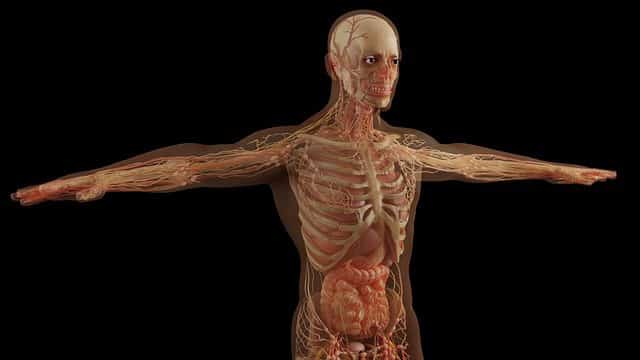
Taking care of your body is the key to long-term health, but it’s easy to overlook the vital organs working tirelessly behind the scenes. Think of your body as a high-performance machine; it needs the right fuel and regular maintenance to run smoothly. That’s why organ support is essential.
Without proactive care, you might not notice a problem until it’s significant. The goal is to provide consistent organ support to keep everything functioning at its peak.
While a balanced diet is foundational, certain targeted supplements can provide powerful organ support, helping to decrease the risk of future illness. One great dietary habit is incorporating nutrient-rich foods, and you can learn about the natural health benefits of organ meat as a starting point.
This guide, drawing on my experience as a certified sports nutritionist, will break down the most effective organ support supplements to help you maintain your body’s most critical systems.
Disclaimer: This article and the supplements mentioned within this article are not meant to treat or diagnose any medical conditions nor be a replacement for anything your doctor has said or prescribed to you. Follow the guidance of your medical doctor if you have any organ support and health issues, as this article is not meant to provide you with medical advice.
Table of contents
Key Takeaways for Optimal Organ Support & Health
- Liver & Kidneys: Milk Thistle, Zinc, and B-Complex Vitamins are crucial for detoxification and filtering waste. Look for Milk Thistle standardized to 80% silymarin for maximum potency.
- Prostate Health: Saw Palmetto is a well-researched herb that helps manage symptoms of an enlarged prostate, such as frequent urination. Consistency is key, as it can take over a month to notice benefits.
- Heart Health: Coenzyme Q10 (CoQ10) supports cellular energy production in the heart. For better absorption, choose the ubiquinol form and take it with a meal containing healthy fats.
- Consult a Professional: Always talk to your doctor before starting any new supplement regimen, especially if you have pre-existing health conditions.
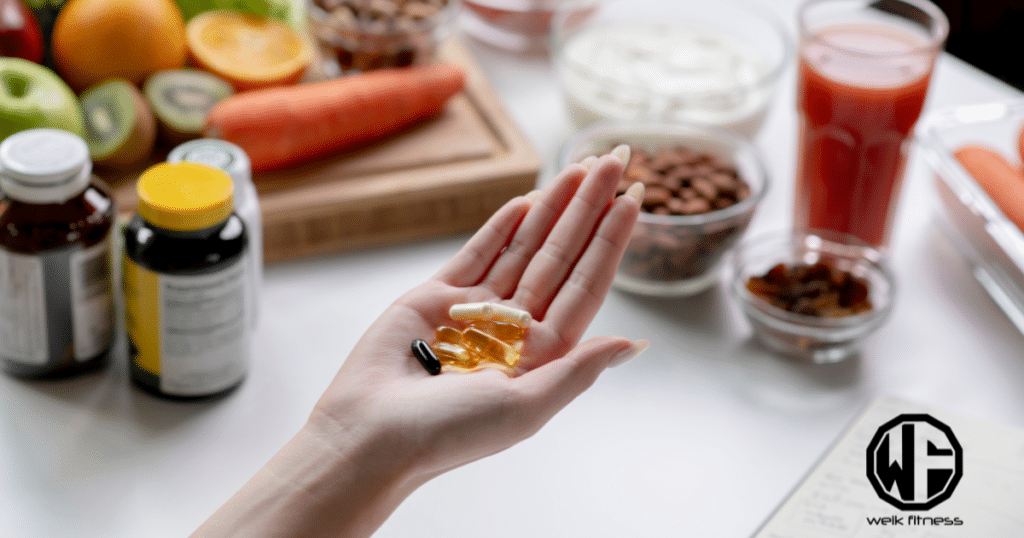
Organ Support Supplements for the Liver and Kidneys
Your liver and kidneys are your body’s primary filtration system. They work around the clock to remove toxins and help you absorb nutrients. When these organs get overloaded, waste can accumulate, triggering inflammation as your immune system responds to the threat.
As Farhan Tahir, MD, Medical Director of Rheumatology Care Consultants, notes, the immune system detects rising toxin levels as a threat, which can lead to inflammation. Proper organ support helps keep this system running efficiently.
1. Milk Thistle
Milk thistle is one of the most well-known herbal supplements for liver health. Its power comes from a compound called silymarin, with its most active ingredient being silibinin.
Silibinin functions as a potent antioxidant, helping to protect liver cells by neutralizing harmful free radicals that cause inflammation and damage.
A pro tip I share with clients is to look for supplements standardized to contain 80% silymarin. This ensures you are getting a potent and effective dose. According to research, consistent use of milk thistle can help lower enzyme levels associated with liver damage.
2. Zinc
Zinc is an essential mineral that plays a vital role in immune function and cell health. It’s particularly important for liver health, as chronic liver diseases often cause a zinc deficiency. In fact, some studies show that up to 90% of patients with liver cirrhosis are deficient in this critical nutrient.
Supplementing with zinc can help protect the liver from oxidative stress caused by conditions like hepatitis C. It does this by supporting the body’s natural antioxidant defenses. You can also boost your intake through foods like oysters, beef, and lentils.
3. B-Complex Vitamins for Kidney Health
The family of B-complex vitamins, particularly B6, B12, and folate (B9), is essential for kidney health. These vitamins help the body produce red blood cells, preventing anemia, which is a common issue for individuals with kidney problems.
These specific B vitamins are also critical for processing homocysteine, an amino acid that can build up to toxic levels when kidney function is impaired. Other B vitamins like thiamine and riboflavin also contribute to overall energy metabolism, providing excellent organ support for the kidneys.
Prostate Health Supplements

The prostate gland, part of the male reproductive system, is responsible for producing fluid for semen. As men age, prostate issues can become more common, potentially affecting urination and sexual function.
Three of the most common prostate health problems include:
- Prostatitis: Inflammation of the prostate.
- Benign Prostatic Hyperplasia (BPH): Age-related prostate gland enlargement.
- Prostate Cancer: The growth of cancerous cells.
While supplements cannot cure these conditions, some research shows they may help ease related symptoms.
Saw Palmetto
Saw palmetto is a widely used herb for prostate health. This powerful plant extract is one of the most effective supplements for this type of organ support.
Related Article: The Benefits of Using Saw Palmetto Supplements
Numerous studies have shown it can improve urinary symptoms associated with BPH, such as a weak stream or frequent nighttime urination. Additionally, some lab studies suggest it may inhibit the growth of cancer cells in the prostate.
It’s important to be patient, as it can take 4 to 6 weeks to notice the benefits. The herb also contains beta-sitosterol, a plant compound linked to improved prostate function.
Heart Health Supplements
Taking care of your heart is non-negotiable, as it’s the engine that pumps life-sustaining blood throughout your body. Poor heart health can lead to elevated LDL (bad) cholesterol, which can clog arteries and increase the risk of heart attack and stroke.

In my years as a trainer, I’ve seen how combining regular exercise with targeted organ support supplements can make a significant difference. If you have a family history of heart issues, speaking with your doctor is a crucial first step.
Coenzyme Q10
Coenzyme Q10, or CoQ10, is a vitamin-like substance found in every cell of your body. It’s essential for producing energy and functions as a powerful antioxidant, protecting cells from damage. The heart muscle has one of the highest concentrations of CoQ10, but levels can decline significantly with age.
Related Article: The Benefits of Using CoQ10 Supplements
While your body produces CoQ10, you can also get it from foods like organ meats, sardines, and beef. Studies suggest that CoQ10 supplementation may help protect against heart failure and improve recovery after exercise.
For better absorption, I recommend choosing the ubiquinol form of CoQ10, especially for older adults. Since it’s fat-soluble, taking it with a meal containing healthy fat, like avocado or olive oil, will maximize its benefits.
FAQs About Organ Support
Are organ support supplements safe to take?
Generally, the supplements discussed here are safe for most healthy adults when taken at the recommended dosages. However, it’s always best to consult with your doctor before starting any new supplement, especially if you are pregnant, nursing, or have a pre-existing medical condition.
Can I get all these nutrients from food?
A balanced diet is the foundation of good health, and many of these nutrients are available in foods. For instance, zinc is in meat and seeds, while CoQ10 is found in organ meats. Supplements offer a more concentrated and targeted dose that can be beneficial if your diet is lacking or if you need extra organ support.
How long does it take for these supplements to work?
Results can vary based on the supplement and the individual. Some people may notice benefits in a few weeks, while for others, it might take a couple of months. Consistency is crucial for achieving the best results.
Should I talk to my doctor before taking these supplements?
Yes, absolutely. This is the most important step. Your doctor can assess your individual health needs, check for potential interactions with medications you may be taking, and recommend the right supplements and dosages for you.


*Disclosure: This article may contain affiliate links or ads, which means we earn a small commission at no extra cost to you if you make a purchase through these links. These commissions help support the operation and maintenance of our website, allowing us to continue producing free valuable content. Your support is genuinely appreciated, whether you choose to use our links or not. Thank you for being a part of our community and enjoying our content.
PLEASE CONSIDER SHARING THIS ON YOUR SOCIAL MEDIA TO HELP OTHERS LEARN MORE ABOUT THIS TOPIC.