
Are Weight Loss Shakes a Total Waste of Money?
You’ve seen the ads for weight loss shakes. They promise a delicious, easy path to shedding pounds, with smiling models who claim it was the most fun they’ve ever had losing weight.
It’s enough to make you wonder if there’s any truth to the hype.
As a certified sports nutritionist with over 15 years in the fitness industry, I’ve seen countless clients fall for these claims. The truth is, while the shakes themselves aren’t magic, understanding how they work is the key to finally reaching your goals. This guide will break down the science, cut through the marketing fluff, and show you how to use protein shakes effectively for weight loss.
Disclaimer: This article is for informational purposes only and is not meant to treat or diagnose any condition. It is recommended that you speak with your doctor before starting any exercise program, changing your daily nutrition, or adding any supplements to your regimen.
Table of contents
Key Takeaways
- “Weight loss shakes” are often just standard protein shakes marketed with misleading claims. No single food or shake causes weight loss on its own.
- True weight loss is dictated by a consistent calorie deficit, meaning you burn more calories than you consume.
- High-quality protein shakes are a valuable tool for increasing satiety, meeting daily protein goals, and supporting muscle recovery, which aids in a successful weight loss journey.
- Focus on using standard protein powders, not specifically branded “weight loss shakes,” and integrate them between meals or post-workout, not as a replacement for whole foods.
What Are Weight Loss Shakes?
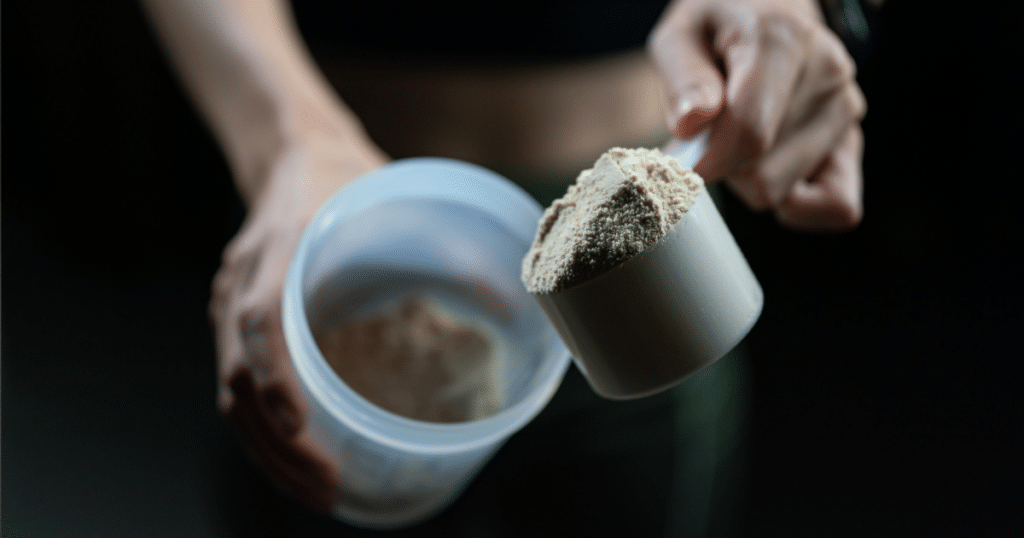
Most “weight loss shakes” are simply protein or nutritional shakes with a clever marketing angle. Brands market these products with the promise of helping you shed pounds effortlessly.
Typically, these shakes are low in calories, have a moderate amount of protein, and are low in carbohydrates and fat. For example, a popular meal replacement shake from a brand like SlimFast contains around 180 calories and 10 grams of protein. While that sounds good on the surface, it’s often not the best tool for the job.
These formulations can be a convenient way to get a quick, calorie-controlled meal. But the shake itself doesn’t trigger weight loss. Anyone in the nutrition field knows that people get drawn in by these claims, and it’s frustrating because the real science is much simpler.
Why Are the Weight Loss Claims False?
The core principle of weight loss is creating a calorie deficit. This means you must burn more calories than you consume over time. It’s a simple energy balance equation.
You could eat at McDonald’s every day and still lose weight if you remained in a calorie deficit. While I don’t recommend this for health reasons, it illustrates a key point. One single food, meal, or shake does not make you gain weight.
Your total daily intake of calories, from all your meals and snacks combined, determines whether you gain, lose, or maintain your weight. It’s not the weight loss shakes doing the work.
A study published in the Journal of the International Society of Sports Nutrition confirms that as long as protein intake is adequate, the timing and composition of meals are secondary to achieving a consistent calorie deficit for fat loss.
This is the same principle behind flexible dieting approaches like If It Fits Your Macros (IIFYM). People successfully lose weight because they use tools like MyFitnessPal to track their intake and ensure they hit their daily calorie and macronutrient targets. It’s about the numbers, not a single “magic” product.
If you can fit a slice of pizza into your daily calorie goal, you can eat it without derailing your progress. The idea that you must be incredibly restrictive is why so many people fail. Sustainable weight loss comes from balance, not deprivation. Thinking that a shake alone is the answer is the same as thinking a single chicken breast and some vegetables will magically make you lose weight. It’s all about the total calories.
Related Article: Chromax For Weight Loss — A New Era in Chromium Supplements
Why I’m Not Telling You to Skip Weight Loss Shakes
To be clear, I recommend you skip products marketed specifically as “weight loss shakes.” If a company uses deceptive marketing, I find it hard to trust the quality of their ingredients.
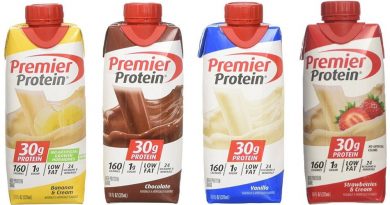
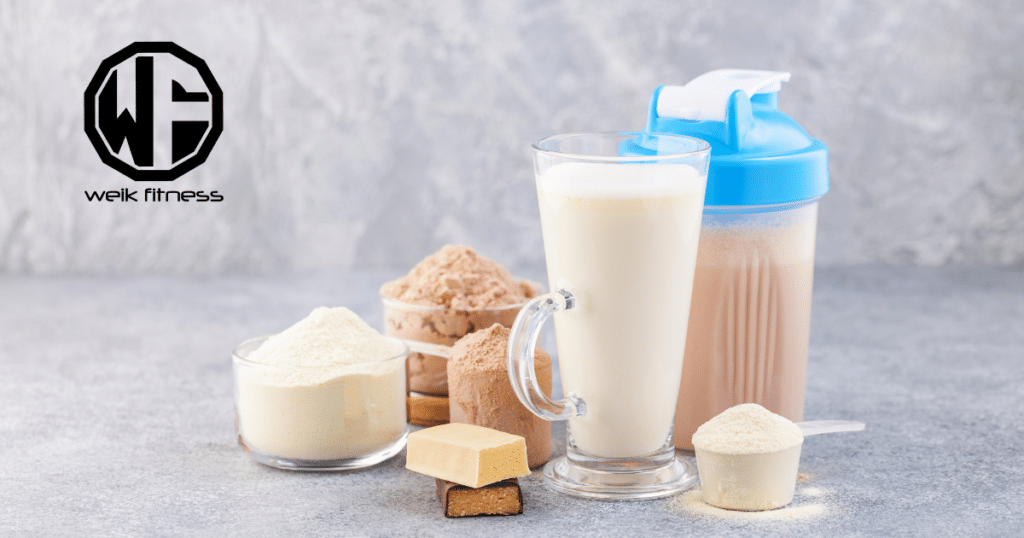
Instead, I advise my clients to buy a high-quality protein powder or pre-made RTD protein shakes. These are supplements designed to help you meet your daily protein needs, which is crucial for both muscle recovery and feeling full.
Protein has a higher thermic effect of food (TEF) than carbs or fats. This means your body burns more calories just digesting it. This small metabolic boost, combined with protein’s proven ability to increase feelings of fullness, makes a standard protein shake a far more effective tool for weight management.
Related Article: How Meal Replacement Shakes Can Save the Day
The marketing gimmick is clear when you read their instructions. They always tell you to be in a caloric deficit while using their product. That’s because the deficit is doing the work. When you lose weight, they want you to credit their expensive shake, not the fundamental science you applied.
How to Best Use Protein Shakes
Let’s call these shakes what they are: protein shakes. The most effective way to use them is not as a replacement for whole-food meals. Instead, use them between meals or immediately after your workout.

Many people struggle with unhealthy snacking. If that’s you, a protein shake between breakfast and lunch can provide the satiety needed to carry you through to your next meal without reaching for chips or cookies. A key goal for active individuals is consuming 1.6 to 2.2 grams of protein per kilogram of body weight daily to support muscle mass while losing fat.
To keep you feeling full, look for a shake with a slow-digesting protein.
- For Satiety Between Meals: A casein protein or a blended protein containing casein is ideal. Casein digests slowly, releasing amino acids over several hours and helping you feel full much longer.
- For Post-Workout Recovery: After exercise, your body needs protein to repair muscle fibers. A fast-digesting whey protein isolate or concentrate is perfect here, as it delivers amino acids to your muscles quickly.
Don’t believe the marketing hype surrounding weight loss shakes. They are selling you a story, not a solution. If a brand is willing to deceive you with its marketing, I suggest you invest your money in a company that is transparent about its products and ingredients.
FAQs About Weight Loss Shakes
Can protein shakes replace a full meal?
While they can be used as a meal replacement in a pinch, it’s not ideal. Whole foods offer a wider range of micronutrients, fiber, and other compounds that a simple shake can’t provide. I recommend using them to supplement your diet, not replace it.
What’s the difference between whey isolate and whey concentrate?
Whey concentrate is the most common and affordable form. Whey isolate undergoes more processing to remove most of the lactose and fat, resulting in a higher protein percentage per serving. Isolate is a great choice for people with lactose sensitivity.
Will drinking protein shakes make me bulky?
This is a common myth, especially among women. Gaining significant muscle mass (“bulk”) requires a combination of a calorie surplus and intense, progressive strength training over a long period. A protein shake is simply a convenient source of protein that supports muscle repair; it will not make you bulky on its own.

*Disclosure: This article may contain affiliate links or ads, which means we earn a small commission at no extra cost to you if you make a purchase through these links. These commissions help support the operation and maintenance of our website, allowing us to continue producing free valuable content. Your support is genuinely appreciated, whether you choose to use our links or not. Thank you for being a part of our community and enjoying our content.
PLEASE CONSIDER SHARING THIS ON YOUR SOCIAL MEDIA TO HELP OTHERS LEARN MORE ABOUT THIS TOPIC.