

Strategies to Beat the Heat and Still Get In Your Daily Steps
When the temperature soars, your motivation to get outside for a walk to get in your daily steps can plummet. For many, extreme heat feels like a free pass to skip their daily exercise and relax on the sofa.
But you are not looking for an excuse. You simply need creative strategies to hit your step goals safely, avoiding the risks of heat exhaustion and dehydration.
The CDC recommends adults aim for about 10,000 daily steps, yet a 2023 JAMA study found most American adults only manage around 4,800. This guide will show you how to close that gap and crush your fitness goals, even on the hottest days of the year.
Disclaimer: This article is for informational purposes only and is not meant to treat or diagnose any condition. It is recommended that you speak with your doctor before starting any exercise program, changing your daily nutrition, or adding any supplements to your regimen.
Table of contents
Key Takeaways
- Time Your Walks: Avoid peak sun hours by walking early in the morning or later in the evening when temperatures are cooler.
- Move Indoors: Utilize air-conditioned spaces like gyms, shopping malls, or even large stores like IKEA to get your steps in comfortably.
- Find Shade: If you walk outdoors, choose shaded paths like wooded trails. The temperature under a tree canopy can be 20-45°F cooler than in direct sun.
- Hydrate Properly: Drink plenty of water before, during, and after your walk. For longer walks, consider an electrolyte drink to replenish lost minerals.
How Can You Hit Your Daily Steps When It’s Hot Outside?
Here are several practical strategies you can use to make sure you get in your daily steps, no matter how high the thermometer climbs.
1. Hit the Gym or Do Cardio Indoors
The most obvious solution is often the best one: take your workout inside. If you have a gym membership, you have access to a climate-controlled environment perfect for logging steps on a treadmill, elliptical, or stair climber.
Just 30 minutes on a treadmill at a moderate 3 mph pace can add around 3,000 steps to your daily total.
You don’t even need a gym. You can get your daily steps in at home by walking in place, going up and down stairs, or following a guided workout. In my experience as a trainer, using an app can make a huge difference in motivation. Services like Apple Fitness+ or Peloton Digital offer engaging indoor walking and running classes that make the time fly by.
2. Park in the Back of Parking Lots to Hit More Daily Steps
This is a simple yet powerful habit to adopt. Instead of circling for a front-row spot, intentionally park at the far end of the lot. This small change turns every errand into a mini-walk.
A walk across a large superstore parking lot can easily add 500 to 1,000 steps to your trip. If you have multiple errands to run, these steps add up quickly. Remember, your 10,000 steps don’t need to happen all at once. Accumulating them throughout the day is just as effective.
Related Article: 5 Walking Tips to Amplify Your Weight Loss and Fat Burning

As a bonus, parking in less crowded areas often means fewer dings and scratches on your car doors.
3. Utilize Various Indoor Areas
Think beyond your home or gym for indoor walking opportunities. Many large, air-conditioned public spaces are perfect for getting in your daily steps.
Shopping malls are a classic choice. Many malls have dedicated walking groups, and since they are often less crowded these days, you can walk laps without interruption. According to the Mall Walking Guide, a single lap around a large regional mall can be up to a mile, which is about 2,000 steps.
Consider these other locations:
- Big-Box Stores: A walk through a large store like IKEA or Home Depot can add a surprising number of steps.
- Museums: Wander through exhibits while getting your steps in.
- Indoor Sports Complexes: If your kids have practice, use the time to walk laps around the facility.
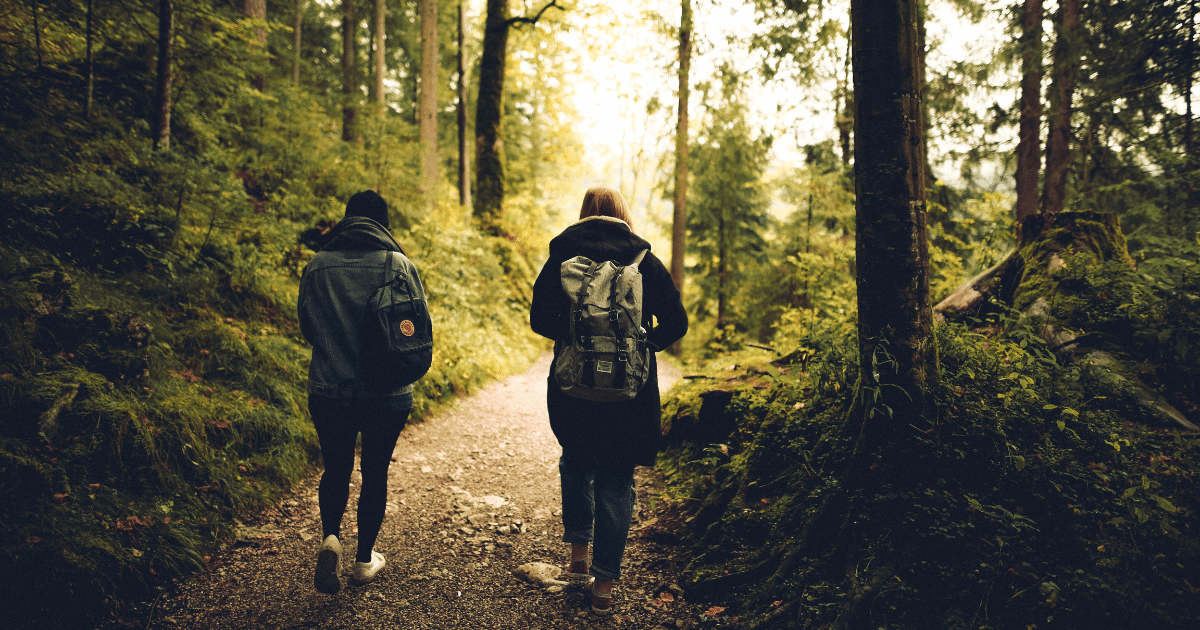
4. Hike Through the Woods
If you prefer to exercise in nature, a wooded trail is your best friend during hot weather. The shade from the tree canopy provides a significant temperature drop.
The U.S. Environmental Protection Agency reports that shaded surfaces can be 20 to 45 degrees Fahrenheit cooler than surfaces in direct sun. That difference is a game-changer for a summer workout.
Hiking is a great way to get in your daily steps because the changing scenery and terrain can distract you from the effort. Always prioritize safety. Carry water in a hydration pack like a CamelBak, use an app like AllTrails to navigate, and let someone know your route and expected return time.
5. Wake Up Earlier and Get in Your Daily Steps
Exercising in the morning is a fantastic way to beat the heat. The coolest part of the day is typically just before and right after sunrise. Getting your walk done early means you cross a major accomplishment off your list before most people have even started their day.
Related Article: Can Short Walks Crush Your Sugar Cravings?
I always tell my clients that this initial energy boost can set a positive tone for the rest of your day, increasing your productivity and motivation. It might take a few days for your body to adjust to an earlier schedule, but the reward is a cool, comfortable walk.
6. Crush Your Cardio at Night
If you aren’t a morning person, the evening offers another window of opportunity. Once the sun goes down, the temperature drops from unbearable to manageable. This is a great time to get in the remaining steps needed to reach your 10,000-step goal.
Related Article: 7 Reasons Why You Should Be Taking a Daily Walk
Safety is key when walking at night. Stick to well-lit areas, and wear reflective gear from a trusted brand like Nathan Sports to ensure you are visible to traffic. It’s also wise to carry a bright, high-lumen flashlight. For hands-free convenience, a headlamp is an even better choice.
FAQs About Getting in Your Daily Steps
What are the signs of heat exhaustion?
Watch for heavy sweating, clammy skin, a fast but weak pulse, nausea, muscle cramps, dizziness, and headache. If you experience these symptoms, move to a cool place, loosen your clothing, and sip water.
How much water should I drink when walking in the heat?
Hydration needs vary, but a good guideline from the American Council on Exercise is to drink 17-20 ounces of water 2-3 hours before your walk, another 8 ounces 20-30 minutes before, and 7-10 ounces every 10-20 minutes during your walk.
Is it better to walk in the morning or evening?
Both are excellent options. The best choice depends on your personal schedule and when you feel most energetic. The most important factor is avoiding the hottest part of the day, which is typically between 10 a.m. and 4 p.m.
Can walking at night disrupt my sleep?
For most people, it won’t. A 2021 scientific review found that evening exercise generally doesn’t harm sleep and can even improve it. To be safe, avoid very intense exercise within one hour of your bedtime.


*Disclosure: This article may contain affiliate links or ads, which means we earn a small commission at no extra cost to you if you make a purchase through these links. These commissions help support the operation and maintenance of our website, allowing us to continue producing free valuable content. Your support is genuinely appreciated, whether you choose to use our links or not. Thank you for being a part of our community and enjoying our content.
PLEASE CONSIDER SHARING THIS ON YOUR SOCIAL MEDIA TO HELP OTHERS LEARN MORE ABOUT THIS TOPIC.