

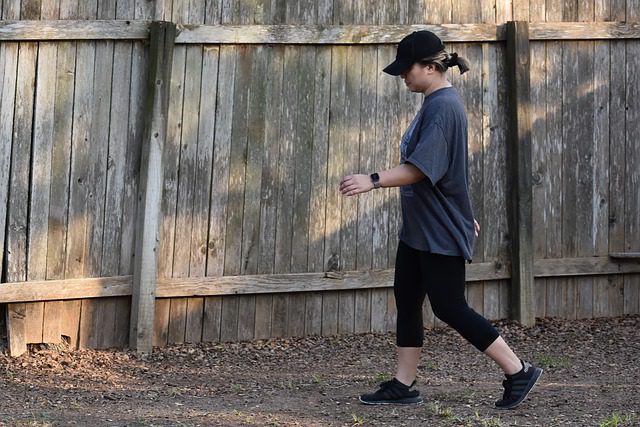
Can Short Walks Crush Your Sugar Cravings?
Sugar cravings for a pint of ice cream or an entire pizza is a familiar feeling for many of us. As a certified sports nutritionist with years of experience, I can tell you that food cravings are completely normal. The important thing is to pay attention to what your body is asking for and sometimes short walks are the answer.
If you find yourself reaching for healthy snacks like fruit, that’s great. Unfortunately, most people struggle with powerful sugar cravings that can send your body on a rollercoaster. You get a quick spike in insulin and a burst of energy, followed by an unavoidable crash, which can increase fat storage and lead to weight gain. This raises a crucial question: can something as simple as taking short walks and getting in your daily steps really be the answer?
These intense cravings are real, but you have more control than you think. The first step is understanding the scale of the issue. According to Dr. Mark Hyman, the average American consumes 22 teaspoons of sugar a day, much of it hidden in processed foods. This guide will break down the science behind why short walks are so effective and give you actionable strategies to finally crush your sugar cravings.
Disclaimer: This article is for informational purposes only and is not meant to treat or diagnose any condition. It is recommended that you speak with your doctor before starting any exercise program, changing your daily nutrition, or adding any supplements to your regimen.
Table of contents
Key Takeaways
- A brisk 15-minute walk can significantly reduce the intensity of sugar cravings, especially for high-sugar snacks like chocolate.
- Understanding the root causes of your cravings, such as stress, poor sleep, and blood sugar imbalances, is essential for long-term control.
- Chronic stress elevates the hormone cortisol, which directly increases your appetite for sugary, high-calorie foods.
- Lack of sleep disrupts the hunger hormones ghrelin and leptin, making you feel hungrier and increasing your desire for sweets and carbs.

Are Short Walks the Answer to Reduce Sugar Cravings?
Yes, one of the best ways to fight sugar cravings is to take a short, brisk walk. In my experience as a trainer, this simple strategy is incredibly effective, and the science backs it up.
Multiple studies confirm that just 15 minutes of walking can curb the urge for sugar. Researchers from the University of Exeter found that a 15-minute walk can specifically reduce cravings for chocolates and other sugary snacks, even in stressful situations. Another study from the University of Innsbruck in Austria had similar findings. They observed overweight individuals who craved sugary snacks and found that a 15-minute brisk walk on a treadmill significantly reduced their interest in eating candy compared to a group that sat passively.
This method is so effective that it can even be used to reduce nicotine addiction for those looking to quit smoking.
Related Article: Sugar Withdrawal – What You Need to Know
While using a treadmill is effective, walking outdoors provides additional benefits. Exposure to nature, fresh air, and sunlight helps reduce stress and improve mental health, which are often triggers for sugar cravings in the first place.

So, the next time you feel that pull towards a sugary dessert, you know what to do. Get up and go for a walk!
Related Article: Is Your Best Weight Loss Secret Going for a Walk?
Beyond short walks, there are other powerful habits that can help you manage sugar cravings:
- Stay Hydrated: Sometimes thirst is mistaken for hunger. Before reaching for a snack, drink a full glass of water and wait a few minutes. You might find the craving disappears.
- Add High-Fiber Foods: Fiber slows down digestion, which helps you feel full and satisfied for longer. Incorporate foods like avocados, beans, and broccoli into your diet to stabilize blood sugar levels.
- Prioritize Sleep: Aim for 7-8 hours of quality sleep per night. Poor sleep disrupts hormones that control appetite, making cravings much harder to resist.
- Find a Healthy Distraction: Engaging your mind can take the focus off food. A 2020 study from the University of Sussex found that attention-demanding tasks can protect you from cravings. Try reading a book, listening to a podcast, or tackling a puzzle.
Knowing what triggers your sugar cravings is the first step toward conquering them. Let’s look at the most common causes so you can create a plan to manage them effectively.
What Actually Causes Sugar Cravings?

Understanding the “why” behind your cravings is key. Here are the main culprits I see with my clients.
1. Stress
When you’re stressed, your body releases a hormone called cortisol. Cortisol’s job is to prepare you for a “fight or flight” response by increasing blood sugar for quick energy. A 2024 study in Diabetology & Metabolic Syndrome confirmed a direct link between morning cortisol levels and blood sugar control. This process fuels intense cravings for sugary, high-calorie “comfort foods” because your brain is seeking a quick reward to counteract the stress.
2. Bad Sleeping Habits
Sleep is critical for regulating the hormones that control your appetite. A lack of sleep throws two key hormones out of balance: ghrelin (the “I’m hungry” signal) and leptin (the “I’m full” signal). A classic study from the University of Chicago found that sleeping only four hours for two nights decreased leptin by 18% and increased ghrelin by 28%. This hormonal shift dramatically increased participants’ appetites, especially for sweets and salty, starchy foods. Recent research from 2024 by Stanford Lifestyle Medicine confirms that chronic sleep deprivation dysregulates your metabolism and leads to these powerful cravings.
Related Article: What Happens When You Follow a Low Sugar Diet?
3. Low Blood Sugar Levels
If you go too long without eating or consume a diet low in protein and fiber, your blood sugar can drop. This sends an urgent signal to your brain to find the quickest possible source of energy, which is sugar. This is why you might experience intense cravings after skipping a meal. Eating balanced meals with protein, healthy fats, and fiber is the best way to prevent these crashes and keep your energy levels stable throughout the day.
Crush Sugar Cravings
This article provides many proven strategies to help you effectively crush your sugar cravings. As we’ve discussed, taking short walks is one of the most immediate and powerful tools you have.
Reducing your sugar intake is challenging, but it becomes much easier when you address the root cause of your cravings. Start by focusing on the fundamentals. Prioritize 7-8 hours of sleep, stay well-hydrated, and find healthy ways to manage your stress.
By implementing these small changes, you can prevent the intense hormonal swings that trigger cravings in the first place. You’ll gain better control over your appetite and build a healthier relationship with food.
If you’ve tried these strategies and still struggle with overwhelming sugar cravings, it may be time to consult a doctor or a registered dietitian. They can help identify any underlying issues and create a personalized plan to help you succeed.
FAQs About Sugar Cravings
How long does it take for a walk to stop a sugar craving?
Most people feel a reduction in cravings within the 15-minute duration of the walk itself. The combination of physical activity, change of scenery, and mood-boosting endorphins works quickly to take your mind off the craving.
Does the time of day I walk matter for controlling cravings?
Consistency is most important, but the timing can help. A 2023 study noted in Sports Medicine suggests walking soon after a meal provides the biggest blood sugar benefit. An evening walk can be particularly effective at preventing late-night snacking out of boredom.
What if I can’t go for a walk right away?
If you’re stuck at your desk, try a different distraction. Drink a large glass of water, do a few bodyweight squats or push-ups, or engage in a mentally demanding task for a few minutes. The goal is to break the mental loop of the craving.
How long does it take to stop craving sugar?
The acute withdrawal symptoms, like intense cravings, usually peak within the first 2 to 5 days of reducing your sugar intake. Most people find their cravings significantly diminish within a few weeks as their taste buds and body adapt.


*Disclosure: This article may contain affiliate links or ads, which means we earn a small commission at no extra cost to you if you make a purchase through these links. These commissions help support the operation and maintenance of our website, allowing us to continue producing free valuable content. Your support is genuinely appreciated, whether you choose to use our links or not. Thank you for being a part of our community and enjoying our content.
PLEASE CONSIDER SHARING THIS ON YOUR SOCIAL MEDIA TO HELP OTHERS LEARN MORE ABOUT THIS TOPIC.