Is Caffeine Overdose Really a Thing?
Have you ever heard of a caffeine overdose? Yes, it’s a real thing that you should be aware of.
Do you look at your morning coffee like it’s the best thing you have ever seen? Or maybe you can’t get through that afternoon slump without an energy drink. As a certified sports nutritionist, I understand the appeal and the benefits.
But using caffeine for that boost comes with a major responsibility. Consuming too much is a real risk, and a severe caffeine overdose can have serious consequences.
This guide will break down the science of caffeine, the clear signs of an overdose, and the actionable steps you can take to use it safely and effectively. We’ll turn these facts into your personal safety plan, giving you the confidence to enjoy caffeine without the risk.
Disclaimer: This article is for informational purposes only and is not meant to treat or diagnose any condition. It is recommended that you speak with your doctor before starting any exercise program, changing your daily nutrition, or adding any supplements to your regimen.
Table of contents
- What is Caffeine?
- How Does Caffeine Work?
- Consuming Too Much Caffeine Can Lead to a Caffeine Overdose
- How Can You Reduce Caffeine Consumption to Avoid a Caffeine Overdose?
- Did You Consume Too Much? How to Prevent Caffeine Overdose
- Know Your Limits and Don’t Overdo It to Avoid a Caffeine Overdose
- FAQs About Caffeine Overdose
Key Takeaways
- Safe Limit: For healthy adults, the FDA advises staying under 400 milligrams (mg) of caffeine per day. Adolescents should not consume more than 100 mg per day.
- The Real Danger: The highest risk for a fatal caffeine overdose comes from pure powdered or liquid caffeine supplements, which the FDA has issued warnings about. A single teaspoon of powder can equal 28 cups of coffee.
- Serious Symptoms: Mild symptoms include jitters and anxiety. Severe caffeine overdose symptoms requiring immediate medical attention include confusion, chest pain, seizures, or repeated vomiting.
- Know Your Sources: Always check the labels on pre-workouts, fat burners, and energy drinks. Stacking these products can easily push you over the safe daily limit.
What is Caffeine?
Caffeine is a natural stimulant found in over 60 plants, including coffee beans, tea leaves, and cacao pods. You can find it in common items like chocolate, coffee, tea, and a wide array of energy drinks.
It works by stimulating the central nervous system, which is why it can help increase alertness, reduce fatigue, and even give your metabolism a slight boost. The U.S. Food and Drug Administration (FDA) classifies caffeine as “Generally Recognized as Safe” (GRAS), but this safety is based on consuming it within recommended limits.
As per Statista, coffee remains one of the most popular beverages worldwide. Global consumption is projected to reach around 177 million 60-kilogram bags in the 2023/2024 coffee year, a significant increase from the 166.63 million bags consumed in 2020/2021. This rising popularity makes understanding its effects more important than ever.
How Does Caffeine Work?

Caffeine is a psychoactive drug that primarily works by blocking adenosine receptors in your brain. Adenosine is a neurotransmitter that promotes relaxation and sleepiness. By blocking it, caffeine prevents your brain from getting the “I’m tired” signal, helping you feel more awake and alert.
However, your genetics play a huge role in how you respond. The CYP1A2 gene controls the primary enzyme that metabolizes about 95% of the caffeine you consume. Variations in this gene determine if you are a “fast” or “slow” metabolizer, which explains why one person can have an espresso after dinner and sleep soundly, while another gets jittery from a single morning cup.
While moderate intake can be beneficial, with a 2021 study from the American Heart Foundation suggesting each daily cup of caffeinated coffee may reduce heart failure risk by 8%, the key is moderation. High doses can quickly lead to negative effects and a potential caffeine overdose.
To put things in perspective, here’s how much caffeine is in various popular items.
| Beverage/Food Item | Serving Size | Average Caffeine (mg) |
|---|---|---|
| Brewed Coffee | 8 oz | 95-175 mg |
| Espresso | 1 oz shot | 64 mg |
| Decaf Coffee | 8 oz | 2-15 mg |
| Black Tea (Brewed) | 8 oz | 40-70 mg |
| Red Bull | 8.4 oz | 80 mg |
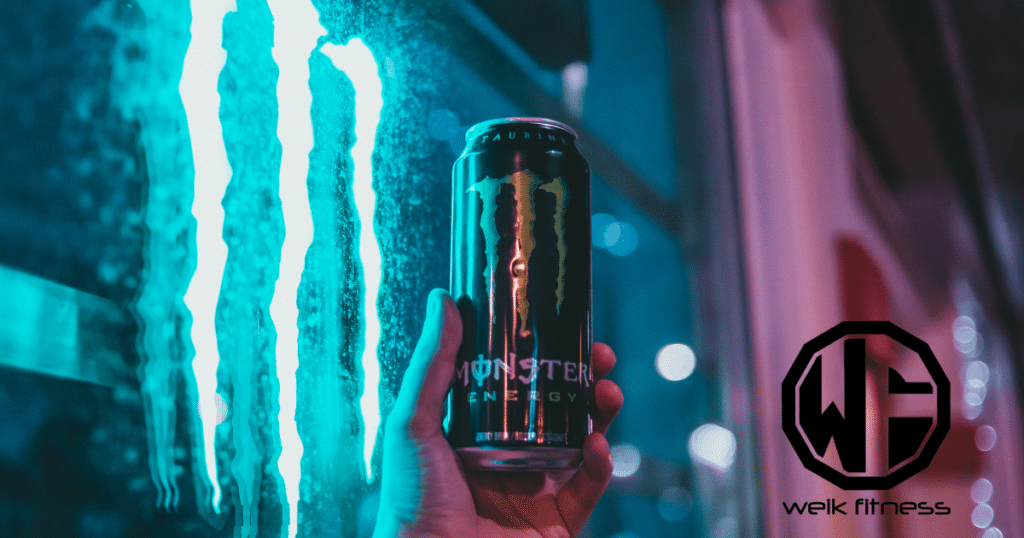
| Monster Energy | 16 oz | 160 mg |
| Bang Energy | 16 oz | 300 mg |
| Dark Chocolate | 1 oz | 21 mg |
Consuming Too Much Caffeine Can Lead to a Caffeine Overdose
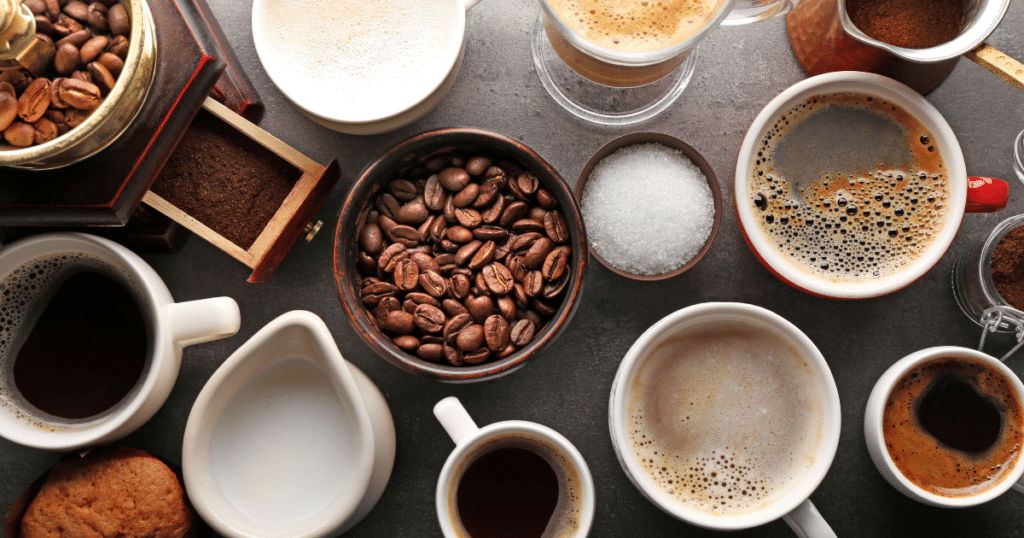
According to The Mayo Clinic, 400 mg of caffeine per day is a generally safe amount for healthy adults. For adolescents, the American Academy of Pediatrics recommends a much lower limit of no more than 100 mg per day.
It’s important to distinguish between “caffeine intoxication” and a true “caffeine overdose.”
- Caffeine Intoxication: This is what most people experience when they have “too much.” It includes unpleasant symptoms like jitters, anxiety, and a racing heart. This state can occur at levels just above 400-500 mg.
- Caffeine Overdose (Toxicity): This is a serious medical emergency. A life-threatening overdose is estimated to be between 10 to 14 grams (10,000-14,000 mg), which is about 150-200 mg per kilogram of body weight. Severe toxic effects like seizures can begin at much lower doses of around 1,200 mg.
A Critical Warning: The FDA has issued a strong warning to consumers about pure and highly concentrated powdered or liquid caffeine. A single teaspoon of powdered caffeine can contain thousands of milligrams, equivalent to 25-28 cups of coffee, making a lethal dose dangerously easy to miscalculate. As a supplement expert, I urge you to avoid these products entirely.
Your age, weight, and genetics all influence how your body processes caffeine and your personal risk for a caffeine overdose.
1. Anxiety
While moderate doses of caffeine can boost energy levels, high doses can trigger the body’s “fight or flight” response, leading to anxiety, nervousness, and even panic attacks. If you notice you feel jittery or on edge after your coffee, it’s a clear sign to assess your intake.
2. Insomnia
Caffeine is great for waking you up, but it can also disrupt your sleep if consumed too late. Caffeine has a half-life of about 3 to 5 hours, meaning half the dose is still in your system after that time. However, it can take up to 10 hours for it to completely clear.
Related Article: 3 Snack Options to Help Reduce Your Caffeine Addiction
Because of this long processing time, organizations like the Sleep Foundation recommend avoiding caffeine for at least 8 hours before bed to protect your sleep quality.
3. High Blood Pressure
By stimulating the nervous system, caffeine can cause a temporary but significant spike in blood pressure. For most people, this effect is short-lived. If you already have high blood pressure, it’s wise to speak with your doctor about a safe level of caffeine consumption for you.
4. Dizziness
Feeling dizzy or lightheaded can be a sign of excessive caffeine intake. This can happen because high doses can lead to an irregular or rapid heartbeat, which may reduce blood flow to the brain temporarily.
5. Digestion Issues
Ever notice how a morning coffee gets things moving? That’s because caffeine stimulates the release of gastrin, a hormone that speeds up activity in the colon. In high doses, this laxative effect can become too strong, leading to loose stools or even diarrhea.
How Can You Reduce Caffeine Consumption to Avoid a Caffeine Overdose?
Switch to Decaf and Lower-Caffeine Options
You don’t have to quit cold turkey. A simple swap can dramatically lower your intake. Instead of another cup of coffee, try one of these:
- Decaf Coffee: Contains only 3-12 mg of caffeine per 8 oz cup but still provides beneficial antioxidants.
- Green Tea: Offers a smaller caffeine boost (30-50 mg) along with L-theanine, an amino acid that can promote a feeling of calm focus.
- Herbal Tea: Varieties like chamomile, peppermint, or ginger are naturally caffeine-free and can be very hydrating.
Drink More Water
Often, we reach for a caffeinated drink when we’re simply thirsty. Keep a water bottle handy and make that your first choice. If you dislike plain water, try infusing it with lemon, cucumber, or mint for a flavor boost.

Taper Your Caffeine Intake Gradually
Caffeine is addictive, and quitting abruptly can lead to withdrawal symptoms like headaches, fatigue, and irritability. To avoid this, reduce your consumption slowly. A good strategy is to cut your daily intake by about 25% each week. This gives your body time to adjust and minimizes discomfort.
Did You Consume Too Much? How to Prevent Caffeine Overdose
In my experience as a coach, I’ve seen people in the fitness world push their limits, especially with pre-workouts. They assume more is better, but that is a dangerous mindset with stimulants. If you’ve gone overboard, your response should depend on the severity of your symptoms.
For Mild Jitters: Wait it Out
If you’re just feeling a bit jittery or anxious, the best thing to do is stop all caffeine intake and wait. The unpleasant effects will typically subside within a few hours as your body metabolizes the caffeine. Try to relax and focus on slow, deep breathing.
Hydrate to Manage Symptoms
Start drinking water. While it won’t “flush out” the caffeine faster, it will prevent dehydration, as caffeine is a diuretic that makes you urinate more. Staying hydrated can lessen related symptoms like headache and dizziness.
Use Light Activity for Excess Energy
If you feel restless, go for a walk. Gentle movement can help you burn off some of that nervous energy. Avoid strenuous exercise, as a caffeine overdose can already increase your heart rate and blood pressure, and intense activity could worsen that.
Know When to Go to the Hospital
A true caffeine overdose is a medical emergency. If you or someone else experiences any of the following severe symptoms, seek medical attention immediately:
- Trouble breathing
- Seizures
- Confusion or disorientation
- Chest pain or a dangerously erratic heartbeat
- Repeated vomiting
In a hospital, treatment may include administering activated charcoal to stop further caffeine absorption, providing IV fluids for hydration, and using medications to stabilize heart rate and blood pressure.
Know Your Limits and Don’t Overdo It to Avoid a Caffeine Overdose
Caffeine is a powerful tool when used correctly, but a caffeine overdose is a risk that must be taken seriously. The key is to be mindful of everything you consume. Many people take a fat burner in the morning, have an energy drink in the afternoon, and then take a pre-workout before the gym. This common scenario can easily push your intake above 600-700 mg in a short time, creating a perfect storm for a caffeine overdose.
Related Article: Caffeine and Weight Gain — A Shocking Secret You Never Knew
Always read the labels on your supplements, track your total daily intake, and stay below the 400 mg guideline. If you have any underlying health issues, especially heart conditions, talk to your doctor. Be smart about using stimulants to ensure you stay safe while enjoying the performance benefits caffeine can offer.
FAQs About Caffeine Overdose
How much caffeine is a fatal overdose?
The estimated lethal dose of caffeine is between 10 and 14 grams (10,000-14,000 mg). This is an extremely large amount, and deaths are most often associated with the accidental misuse of highly concentrated caffeine powders or liquids, not from drinking coffee or energy drinks.
Can you overdose on energy drinks?
Yes. While reaching a fatal dose from energy drinks alone is rare, it is very possible to consume enough to cause serious toxic effects requiring hospitalization. Some popular energy drinks, like Bang, contain 300 mg of caffeine in a single can. Drinking just two of these quickly would push you well beyond the daily safe limit and could cause significant adverse effects.
How long do caffeine overdose symptoms last?
The duration depends on how much caffeine was consumed and your individual metabolism. Caffeine’s half-life can range from 2 to 12 hours. Mild symptoms like the jitters may fade within 3-5 hours, but the effects of a severe overdose can last much longer and require medical intervention to manage.
What is the fastest way to get caffeine out of your system?
Unfortunately, there is no way to speed up the process of caffeine metabolism. Your body has to break it down at its own pace. The best approach is not to add any more caffeine, stay hydrated by drinking water, eat a small snack, and engage in light physical activity like walking to manage restlessness.


*Disclosure: This article may contain affiliate links or ads, which means we earn a small commission at no extra cost to you if you make a purchase through these links. These commissions help support the operation and maintenance of our website, allowing us to continue producing free valuable content. Your support is genuinely appreciated, whether you choose to use our links or not. Thank you for being a part of our community and enjoying our content.
PLEASE CONSIDER SHARING THIS ON YOUR SOCIAL MEDIA TO HELP OTHERS LEARN MORE ABOUT THIS TOPIC.