

Should You Eat MORE Resistant Starches in Your Diet?
If you’re trying to lose weight, you’ve likely heard the advice to cut down on carbohydrates. But what if I told you that you could keep carbs in your diet and still successfully shed stubborn body fat? As a certified sports nutritionist, I’ve seen it work for many of my clients. The secret is focusing on a specific type of carbohydrate called resistant starches.
In fact, researchers have found that incorporating resistant starches into your meals is a powerful strategy for improving your health. This guide will break down what these unique carbs are, where to find them, and how they can help you reach your fitness and health goals.
Disclaimer: This article is for informational purposes only and is not meant to treat or diagnose any condition. It is recommended that you speak with your doctor before starting any exercise program, changing your daily nutrition, or adding any supplements to your regimen.
Table of contents
Key Takeaways
- Resistant starches are unique carbohydrates that resist digestion in the small intestine, acting more like a prebiotic fiber.
- They feed beneficial gut bacteria, which produce short-chain fatty acids like butyrate, supporting gut health and reducing inflammation.
- Key food sources include green bananas, cooked and cooled potatoes or rice, legumes, and whole grains.
- Benefits include improved weight loss, increased feelings of fullness, better blood sugar management, and enhanced immunity.
What Are Resistant Starches?
Resistant starches are a special type of carbohydrate that your body can’t easily break down. Unlike regular starches that are digested in the small intestine and raise blood sugar, resistant starches pass through to the large intestine mostly intact.
There, they act like a prebiotic fiber. They ferment and become fuel for the good bacteria in your gut. This process produces beneficial compounds called short-chain fatty acids (SCFAs), with butyrate being one of the most important for your health.
Because they aren’t fully absorbed, they also provide fewer calories than other starches, typically around 2.5 calories per gram instead of the usual 4. This makes them a smart choice for anyone managing their weight. While there’s no official recommendation, many experts suggest a goal of 15 to 20 grams per day for gut health benefits.
Related Article: Carbs 101 — The Many Benefits of Carbohydrates
As WebMD explains, resistant starches generally fall into four categories:
- Type 1 (RS1): Physically protected starch trapped within fibrous cell walls. You can find this type in partially milled grains, seeds, and legumes.
- Type 2 (RS2): Naturally indigestible due to its compact structure. Sources include raw potatoes, high-amylose corn, and green, unripe bananas. These are hard for your digestive enzymes to break down.
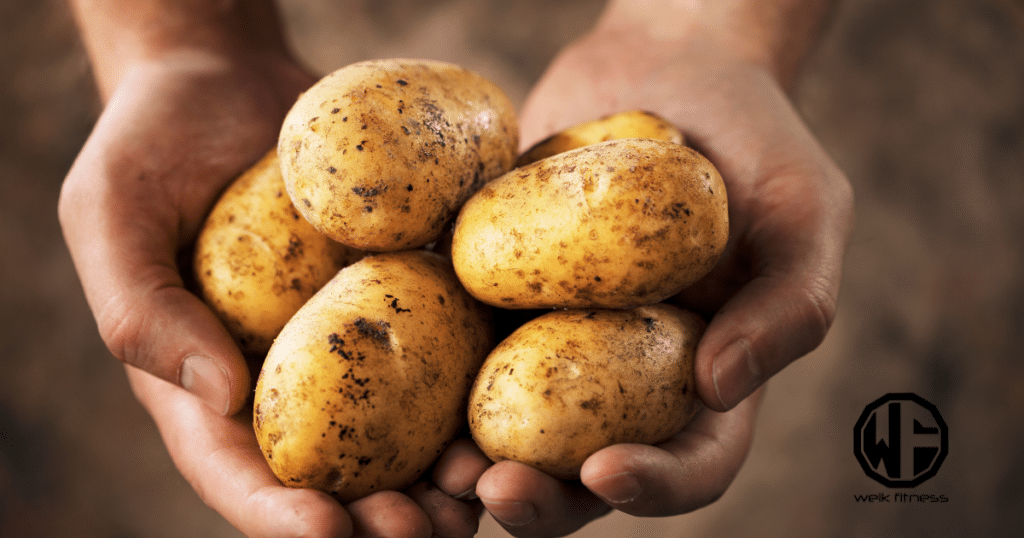
- Type 3 (RS3): This type is formed when starchy foods are cooked and then cooled, a process called retrogradation. Chilling a cooked potato can increase its resistant starch content by nearly 40%. This makes foods like potato salad, cold pasta, and leftover rice excellent sources.
- Type 4 (RS4): This is a synthetic or man-made starch that is chemically modified to resist digestion. It’s often added to processed foods like bread and cakes to increase their fiber content.
What Are Some Resistance Starches to Consider?
Adding more resistant starch to your diet is easier than you might think. Many common foods are excellent sources, especially when prepared in specific ways. Cooking and then cooling starchy foods is a fantastic strategy to increase their resistant starch content.
Related Article: Macros Matter — What Are Carbohydrates
Here are some of the best food sources to consider:
| Food Group | Specific Examples | Pro Tip for Increasing Resistant Starch |
|---|---|---|
| Legumes | Lentils, chickpeas, black beans, kidney beans, peas | Canned beans are a convenient source. Enjoy them in a cold bean salad. |
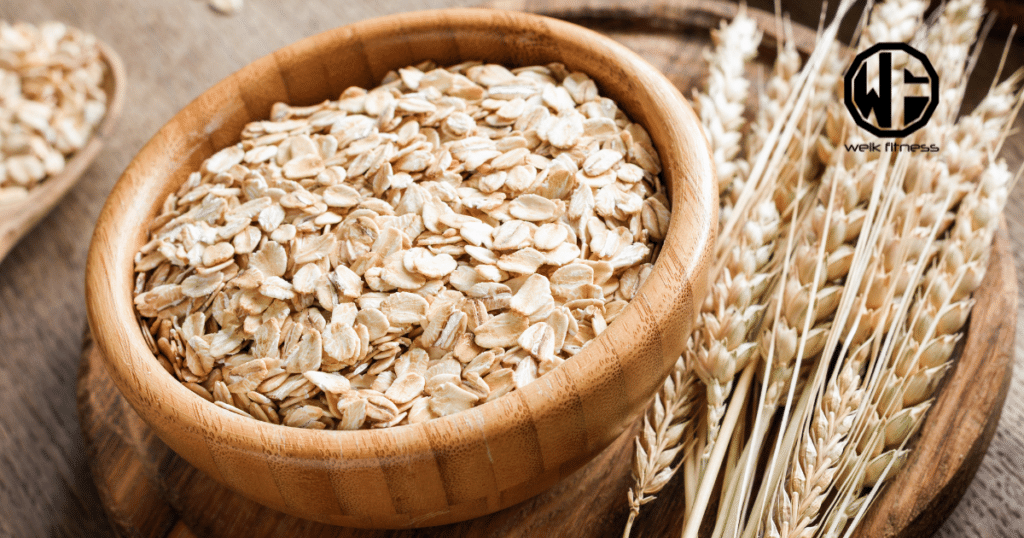
| Grains & Cereals | Oats, barley, cooked and cooled rice, muesli | Prepare overnight oats by soaking raw oats in milk or yogurt. |
| Vegetables & Fruits | Cooked and cooled potatoes, green (unripe) bananas, plantains | Add leftover boiled potatoes to salads. Use green bananas in smoothies. |
| Nuts & Seeds | Cashews, raw potato starch, green banana flour | A tablespoon of raw potato starch can be easily mixed into water or a smoothie. |
The Benefits of Resistant Starches
From weight loss to overall health, there are many compelling reasons to make resistant starches a regular part of your nutrition plan. In my experience as a fitness professional, the clients who see the best results are those who focus on nutrient quality, not just calories.
Here’s a closer look at the key benefits.
1. Improve Weight Loss
If weight loss is your goal, resistant starch can be a powerful ally. A groundbreaking 2024 study published in Nature Metabolism found that participants who added resistant starch to their diets lost an average of 2.8 kilograms (about 6.2 pounds) over an eight-week period. The control group, which consumed regular starch, saw no change.
This effect is linked to positive changes in gut bacteria, particularly an increase in a beneficial species called Bifidobacterium adolescentis. These microbes appear to play a key role in reducing body fat. Additionally, some research has shown that consuming resistant starch can increase fat-burning by helping the body use fat for fuel more efficiently.
2. Reduce Hunger
Resistant starches function similarly to soluble fiber, helping to slow down digestion. This delay keeps food in your stomach longer, which helps you feel fuller and more satisfied after meals.
The fermentation of resistant starch in the colon also triggers the release of specific gut hormones that regulate appetite, such as glucagon-like peptide-1 (GLP-1) and peptide YY (PYY). These hormones send signals to your brain that you are full, which can help you naturally reduce your overall calorie intake. Studies have shown this can help manage cravings and prevent overeating throughout the day.
3. Manage Blood Sugar Levels
Because resistant starches are not broken down into glucose in the small intestine, they don’t cause the rapid spike in blood sugar that often follows a carb-heavy meal. This makes them an excellent choice for improving blood sugar control.
Research confirms that meals containing resistant starches lead to lower blood sugar levels compared to meals with regular starches. A 2019 review of 15 clinical trials found that supplementing with resistant starch significantly lowered fasting glucose and improved insulin resistance in people with type 2 diabetes and obesity. Even a dose as low as 10 grams per day was enough to see a positive effect on fasting insulin.

This improved insulin sensitivity reduces your risk of developing metabolic conditions. You may also find the Blood Type Diet interesting as another approach to personalized nutrition.
4. Enhance Gut Health and Immunity
This is where resistant starch truly shines. By acting as a prebiotic, it nourishes the beneficial bacteria in your gut, leading to a healthier and more diverse gut microbiome. A healthy gut is foundational to a strong immune system.
The fermentation of resistant starch produces short-chain fatty acids like butyrate. Butyrate is the primary fuel source for the cells lining your colon and has powerful anti-inflammatory properties, helping to maintain a strong gut barrier.
A strong gut barrier prevents harmful substances from leaking into your bloodstream, which helps boost immunity and health. This process of feeding good bacteria helps improve the health of the entire gut microbiome and protects your body from harmful pathogens.
Related Article: Too Much Exercise Can Cause Gut Problems
FAQs About Resistant Starches
How much resistant starch should I eat per day?
While there isn’t an official daily recommendation, research from organizations like Australia’s CSIRO suggests aiming for 15-20 grams per day to support gut health. Most Americans currently consume only about 3-8 grams daily, so increasing your intake is likely beneficial.
Are there any side effects of eating too much resistant starch?
For most people, resistant starch is well-tolerated. However, if you rapidly increase your intake, you might experience some mild side effects like gas or bloating as your gut microbiome adjusts. To avoid this, I recommend gradually adding resistant starch foods into your diet over a few weeks.
Does cooking destroy resistant starch?
Cooking can reduce the amount of Type 2 resistant starch (found in raw foods like green bananas). However, the process of cooking and then cooling starchy foods like potatoes, rice, and pasta actually creates Type 3 resistant starch. A 2026 report from The Washington Post noted that refrigerating cooked white rice for 24 hours can more than double its resistant starch content.
Can resistant starches help with constipation?
Yes, because it functions much like dietary fiber. It adds bulk to stool and helps promote regular bowel movements, which can help alleviate constipation for some individuals.


*Disclosure: This article may contain affiliate links or ads, which means we earn a small commission at no extra cost to you if you make a purchase through these links. These commissions help support the operation and maintenance of our website, allowing us to continue producing free valuable content. Your support is genuinely appreciated, whether you choose to use our links or not. Thank you for being a part of our community and enjoying our content.
PLEASE CONSIDER SHARING THIS ON YOUR SOCIAL MEDIA TO HELP OTHERS LEARN MORE ABOUT THIS TOPIC.