

What is the Pegan Diet & Should You Consider Trying It?
If you’re overwhelmed by the endless number of diets out there, you are not alone. It can feel impossible to figure out which approach is actually right for you. That’s why we’re taking a closer look at a balanced, flexible approach: the pegan diet.
As a certified sports nutritionist, I’ve seen many clients struggle with overly restrictive plans. The pegan diet offers a middle ground, combining the best of two popular styles, paleo and vegan, into one sustainable framework.
This guide will break down what the pegan diet is, its science-backed benefits, and who can get the most out of this way of eating.
Disclaimer: This article is for informational purposes only and is not meant to treat or diagnose any condition. It is recommended that you speak with your doctor before changing or altering your nutrition plan or implementing the pegan diet into your lifestyle.
Table of contents
Key Takeaways
- The pegan diet, created by Dr. Mark Hyman, combines principles of the paleo and vegan diets, focusing on whole, unprocessed foods.
- It’s structured around a plate that is approximately 75% plant-based foods and 25% sustainably-sourced animal protein.
- Key benefits include reduced inflammation, better blood sugar control, and support for gut health, largely due to its emphasis on fiber, healthy fats, and nutrient-dense vegetables.
- Drawbacks can include higher costs for quality proteins, the risk of certain nutrient deficiencies like calcium and B vitamins if not planned carefully, and social challenges due to its restrictions.
What is the Pegan Diet?
The pegan diet is a dietary plan that merges the core ideas of two very different eating styles: paleo and vegan. It was created and popularized in 2015 by Dr. Mark Hyman, a functional medicine doctor who wanted to focus on the common ground between the two philosophies. His approach is detailed in his book, “The Pegan Diet: 21 Practical Principles for Reclaiming Your Health.”
The fundamental rule is simple, your plate should be dominated by plants. The diet recommends that vegetables and fruits make up about 75% of your daily food intake. The remaining 25% comes from high-quality, sustainably-raised animal protein, which is treated more like a side dish than the main event.
“Think of sugar in all its various forms as an occasional treat, that is, something we eat occasionally and sparingly. I tell people to think of it as a recreational drug.” – Dr. Mark Hyman
This eating plan focuses heavily on whole, unprocessed foods and healthy fats from sources like avocados, nuts, and olive oil. It also encourages you to avoid most dairy, gluten, and processed foods that contain added sugars and unhealthy fats. The goal is to reduce inflammation and stabilize blood sugar, which Dr. Hyman believes are root causes of many chronic diseases.
Related Article: Are Plant-Based Omega-3s the Future of Healthy Fats?
By minimizing processed grains and sugars, the pegan diet helps you avoid sharp spikes in blood sugar. This focus on low-glycemic foods is a cornerstone of the diet’s strategy for promoting overall health and well-being. While it has some potential benefits, it’s important to weigh the drawbacks and make sure the diet is well-balanced to avoid potential deficiencies.
What Foods Can You Eat While Following the Pegan Diet?
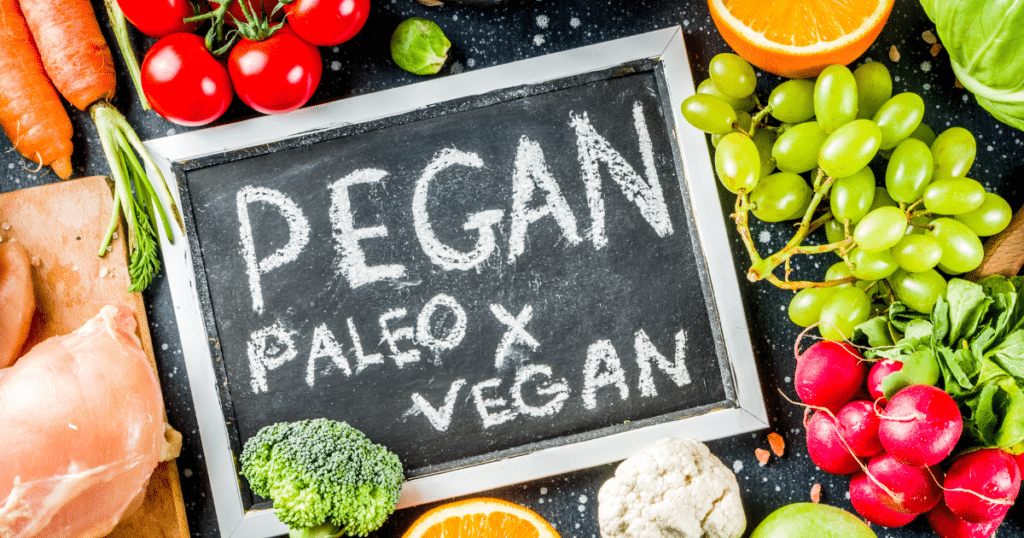
The pegan diet is all about focusing on whole, nutrient-dense foods. Here’s a breakdown of what you should build your meals around and what you should limit or avoid.
Foods to Emphasize
- Vegetables: Load up on non-starchy vegetables like broccoli, carrots, leafy greens, and bell peppers. These should make up the majority of your plate.
- Fruits: Focus on low-glycemic fruits such as berries, cherries, pears, and apples to keep blood sugar stable.
- Nuts and Seeds: Almonds, walnuts, chia seeds, and flax seeds are excellent sources of healthy fats and minerals.
- High-Quality Animal Protein: Choose grass-fed beef, pasture-raised chicken, and whole eggs. Think of meat as a “condiment” rather than the star of the meal.
- Low-Mercury Fish: Incorporate fatty fish like wild-caught salmon, sardines, and anchovies for their high omega-3 content.
- Healthy Fats: Use oils like extra virgin olive oil and avocado oil. Whole foods like avocado are also encouraged.
Foods to Limit or Avoid
- Dairy: Avoid most dairy products like milk, cheese, and yogurt. Some plans allow for limited amounts of goat or sheep milk products.
- Grains with Gluten: All forms of wheat, barley, and rye are excluded.
- Legumes: Larger, starchy beans should be limited to no more than 1 cup per day due to their potential to spike blood sugar. Lentils are generally a better choice.
- Processed Vegetable Oils: Avoid highly processed oils like canola, sunflower, corn, and soybean oil.
- Added Sugar: All forms of refined sugar and high-sugar fruits should be treated as a rare indulgence.
- Processed Foods: Anything with artificial additives, preservatives, or sweeteners is off-limits.
What Are the Benefits of the Pegan Diet?
When you follow it correctly, the pegan diet offers several significant health benefits. By focusing on whole foods, you’re naturally providing your body with a rich array of nutrients.
1. Supports Gut Health and Digestion
The pegan diet is naturally high in fiber from fruits and vegetables, which provides prebiotic fiber to support a healthy gut microbiome. Research published in 2021 in Nature Medicine found that a pegan-style diet had a favorable influence on gut bacteria, which is linked to better cardiometabolic health. A healthy gut can reduce the risk of constipation and other digestive issues.
2. May Aid in Healthy Weight Management
By eliminating processed foods, added sugars, and refined carbohydrates, the pegan diet can help with weight loss. The diet’s focus on whole foods rich in fiber, healthy fats, and quality protein helps increase feelings of fullness and satiety, which can lead to eating fewer calories overall.
3. Reduces Inflammation and Risk of Chronic Disease
Chronic inflammation is a driver of many serious conditions. The pegan diet fights inflammation by emphasizing omega-3 fatty acids from fish and flax seeds and antioxidants from a wide variety of colorful plants. Research suggests that plant-rich diets, which share principles with the pegan diet, may lower the risk of heart disease, type 2 diabetes, and certain cancers.
4. Promotes Stable Blood Sugar and Energy Levels
The diet’s low-glycemic approach helps regulate blood sugar levels, preventing the energy spikes and crashes associated with high-sugar and refined-carb diets. This leads to more sustained energy throughout the day and can reduce fatigue.
To ensure you’re meeting all your micronutrient needs, I often advise clients to consider a daily multivitamin. This can help fill any potential gaps, especially when you’re adapting to a new way of eating.
If you are looking for a quality multivitamin, I recommend this one.
Who Should Try the Pegan Diet?

The pegan diet is a great fit for individuals looking to clean up their eating habits by focusing on whole, unprocessed foods. It’s particularly well-suited for those who want a structured plan that combines the anti-inflammatory benefits of a plant-based diet with the inclusion of high-quality animal protein.
Related Article: Multivitamin Supplements — Nutrition Alone Doesn’t Cut It
This approach may be most beneficial for people aiming to:
- Reduce their intake of processed foods and refined sugars.
- Improve blood sugar control and energy levels.
- Incorporate principles from both paleo and vegan diets without fully committing to either extreme.
- Support gut health through a high-fiber, plant-rich intake.
Who Should Be Cautious?
However, the pegan diet isn’t a one-size-fits-all solution. In my experience as a sports nutritionist, elite athletes may find it difficult to meet their higher calorie and carbohydrate needs on this plan without careful modification. Pregnant or breastfeeding women should also consult with a healthcare provider to ensure they’re getting sufficient calories and key nutrients like calcium.
Additionally, individuals with a history of or active eating disorders should avoid restrictive diets. Anyone with existing health conditions, such as an iron or B12 deficiency, should speak with their doctor before starting.
What Are the Drawbacks of This Specific Diet?

No diet is perfect, and the pegan diet has a few potential downsides to consider before you begin.
Potential for Nutrient Gaps
One of the main concerns is the risk of nutrient deficiencies. By restricting entire food groups like dairy, grains, and legumes, you might miss out on important nutrients. For instance, eliminating dairy can make it challenging to get enough calcium and vitamin D, which are vital for bone health. Studies show that both vegan and paleo-style diets can be low in certain nutrients like B vitamins, iron, and calcium if not carefully planned.
Higher Grocery Costs
The diet’s emphasis on organic produce and grass-fed, sustainably-raised meats can significantly increase your grocery bill. According to 2026 data, grass-fed beef can cost 30% to 50% more than conventional grain-fed beef. While conventional ground beef prices averaged around $6.70 per pound in March 2026, some grass-fed options can be over $8.00 per pound, making the diet less accessible for those on a tight budget.
It Can Be Challenging and Restrictive
The pegan diet eliminates many common foods, which can make dining out, traveling, and social gatherings difficult. While it’s more flexible than a strict paleo or vegan diet, the rules can still feel restrictive and hard to maintain long-term for some people. The elimination of beloved staples like bread, pasta, and cheese requires significant commitment.
Is the Pegan Diet Right for You?
The pegan diet offers a solid framework for anyone looking to improve their health by eating more whole foods.
Its focus on plants, healthy fats, and quality protein can lead to real benefits in weight management, energy levels, and overall wellness. However, it’s not without its challenges, including potential costs and nutrient gaps.
Like any nutritional plan, the best approach is one you can stick with long-term. Always consult with a healthcare provider or a registered dietitian before making significant changes to your diet to ensure it’s the right fit for your individual needs.
FAQs About the Pegan Diet
Is the pegan diet the same as a paleo diet?
No, they are different. The main difference is the emphasis on plants. The pegan diet recommends that 75% of your food come from plants, whereas the paleo diet often features a much higher intake of animal protein. The pegan diet also allows for small, limited amounts of certain legumes and gluten-free grains, which are strictly forbidden on the paleo diet.
How much meat should I eat on the pegan diet?
Animal protein should make up no more than 25% of your total food intake. Dr. Hyman suggests thinking of meat as a “condiment” or a side dish, not the main focus of your meal. The emphasis should always be on filling your plate with a wide variety of colorful vegetables.
Can I drink coffee on the pegan diet?
Yes, in moderation. Coffee is plant-based and rich in antioxidants. However, the focus should be on drinking it black or with an unsweetened, dairy-free milk alternative like almond or coconut milk. Loading it up with sugar or dairy would not align with the diet’s principles.
Is the pegan diet good for athletes?
It can be, but it requires careful planning. Athletes often have higher energy and carbohydrate needs to fuel performance and recovery. Since the diet limits grains and starchy vegetables, athletes may need to consciously increase their intake of approved carbs like sweet potatoes and quinoa to ensure they have enough energy.


*Disclosure: This article may contain affiliate links or ads, which means we earn a small commission at no extra cost to you if you make a purchase through these links. These commissions help support the operation and maintenance of our website, allowing us to continue producing free valuable content. Your support is genuinely appreciated, whether you choose to use our links or not. Thank you for being a part of our community and enjoying our content.
PLEASE CONSIDER SHARING THIS ON YOUR SOCIAL MEDIA TO HELP OTHERS LEARN MORE ABOUT THIS TOPIC.