
Meal Prep Containers: Stick to Your Nutrition Plan
As a strength coach and sports nutritionist, clients constantly ask me how to stick to a nutrition plan. My answer is always the same: preparation. Yet, no one seems to think about or consider the meal prep containers they use.
Success comes down to meal prepping and using the right meal prep containers. In my experience, the biggest hurdle to better nutrition is managing the food itself. We live busy, on-the-go lives, and finding time for a well-balanced meal can feel impossible.
This is precisely why prepping your meals in advance is a game-changer. With global obesity rates on the rise, taking control of our health has never been more critical.
I recommend dedicating one day each week, like a Sunday, to cook your main protein, carbohydrate, and healthy fat sources for the entire week. Once cooked, portion them out immediately into dedicated containers. This simple habit makes healthy eating convenient and removes the guesswork from your daily routine.
Related Article: Meal Planning to Help You Achieve Your Goals
Disclaimer: This article is for informational purposes only and is not meant to treat or diagnose any condition. It is recommended that you speak with your doctor before starting any exercise program, changing your daily nutrition, or adding any supplements to your regimen.
Table of contents
Key Takeaways
- Choose the Right Material: Glass containers, like those from Pyrex, are great for reheating and don’t stain, while high-quality, BPA-free plastic like Rubbermaid Brilliance is lightweight and portable.
- Compartments Matter: Three-compartment containers are ideal for portion control, helping you separate proteins, carbs, and fats to build balanced meals.
- Preparation is Key: Dedicating a few hours one day a week (like Sunday) to cook and portion meals removes daily decision-making and makes healthy eating easy.
- Financial Benefits: Regularly swapping restaurant lunches for prepped meals can save a significant amount of money annually, with estimates ranging from $1,820 to $2,600.

You Need Meal Prep Containers
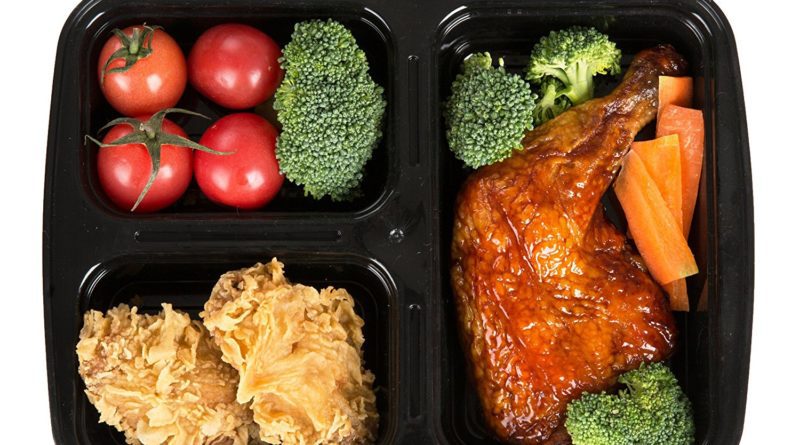
The right containers can make or break your meal prep routine. I recommend starting with the three-compartment variety because they are perfect for portion control. This layout allows you to dedicate a section for your lean protein source, another for carbohydrates, and a third for healthy fats.
A pro-tip I always share is to use the largest compartment for your protein to ensure you’re meeting your muscle-building and satiety goals. The other two smaller sections are perfect for separating your carbs and fats.
Choosing Between Glass, Plastic, and Stainless Steel
When selecting your containers, you have three main material choices. Your decision depends on your budget, lifestyle, and personal preferences.
| Material | Pros | Cons |
|---|---|---|
| Glass (e.g., Pyrex, Glasslock) | Oven and microwave safe, won’t stain or absorb odors, long-lasting. | Heavier, breakable, often more expensive upfront. |
| BPA-Free Plastic (e.g., Rubbermaid Brilliance) | Lightweight, portable, affordable, and durable (won’t shatter). | Can stain or retain odors from certain foods, may not last as long as glass. |
| Stainless Steel | Extremely durable, lightweight, won’t leach chemicals. | Cannot be used in the microwave, opaque (can’t see contents). |
Most modern meal prep containers are BPA-free, reusable, and safe for the microwave and top rack of the dishwasher. High-quality plastic options like Rubbermaid Brilliance are celebrated for their 100% leak-proof seals and stain resistance, making them a reliable choice for daily commuters. For those who prioritize reheating food in the oven, borosilicate glass containers from brands like Pyrex or OXO are an excellent investment.
You can find meal prep containers on Amazon for around $12.99 for a 10 pack.
Related Article: Clean Eatz Kitchen — Prepared Meal Plan Goodness in Every Bite
Examples of Foods to Include in Your Meal Prep
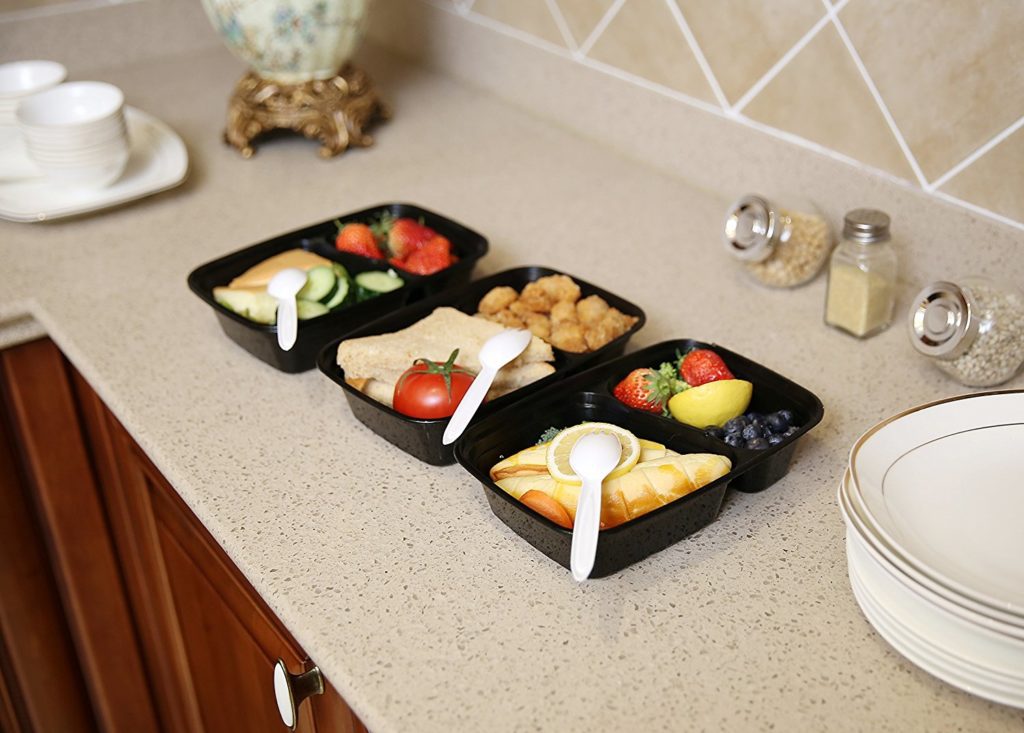
- Proteins: Grilled chicken breast, baked salmon, lean ground turkey or beef, hard-boiled eggs, tofu, or lentils.
- Carbohydrates: Quinoa, brown rice, sweet potatoes, roasted broccoli, asparagus, carrots, green beans, or whole-wheat pasta.
- Fats: Sliced avocado, almonds, walnuts, olive oil-based dressings (stored separately), chia seeds, or a scoop of plain Greek yogurt.
To ensure your food stays fresh and appetizing all week, it’s wise to slightly undercook vegetables so they don’t become soggy when reheated. Many experienced meal preppers on forums like Reddit suggest this is a common rookie mistake. Additionally, wait for food to cool completely before sealing the containers to prevent condensation from making your meals watery.
I can’t stress enough how vital planning your meals is. When you prepare ahead, you eliminate any excuse for not eating healthy or missing a meal. All it takes is setting aside a little time once a week to cook, prepare, and pack everything into your meal prep containers. It isn’t difficult, but it does require commitment. If your health is a priority, you will make it happen.
FAQs About Meal Prep Containers
Are glass or plastic meal prep containers better?
The best choice depends on your needs. Glass containers are excellent for reheating food evenly, are oven-safe, and won’t stain or hold odors. However, they are heavier and can break. High-quality, BPA-free plastic containers are lightweight, portable, and very durable, making them ideal for commuting. Many people use a combination: glass for meals at home and plastic for on-the-go.
How long does food last in meal prep containers?
Most prepared meals will stay fresh in the refrigerator for 3-5 days. Be sure to use airtight containers to maximize freshness. For longer-term storage, many prepped meals can be stored in the freezer for up to a month. A common tip is to freeze one or two portions each week to build a supply of “emergency” meals.
Can you freeze food in all meal prep containers?
Most high-quality plastic and glass containers are freezer-safe. For glass, it’s best to use borosilicate glass, like in some OXO or Pyrex sets, as it’s designed to withstand extreme temperature changes without cracking. Always leave a little space at the top of the container to allow for expansion as the food freezes, and check the manufacturer’s instructions to be sure.

*Disclosure: This article may contain affiliate links or ads, which means we earn a small commission at no extra cost to you if you make a purchase through these links. These commissions help support the operation and maintenance of our website, allowing us to continue producing free valuable content. Your support is genuinely appreciated, whether you choose to use our links or not. Thank you for being a part of our community and enjoying our content.
PLEASE CONSIDER SHARING THIS ON YOUR SOCIAL MEDIA TO HELP OTHERS LEARN MORE ABOUT THIS TOPIC.