
Are Liquid Calories Stalling Your Weight Loss?
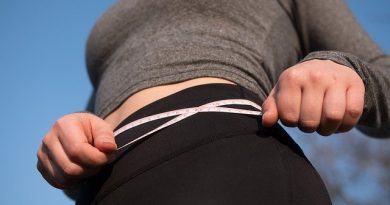
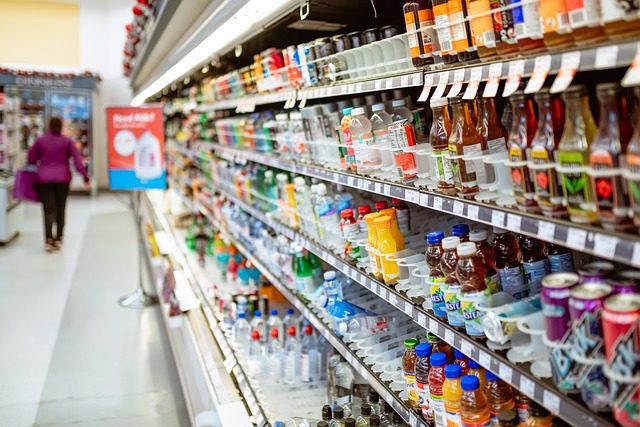
If you’re putting in the work to lose weight but the number on the scale refuses to budge and you can’t seem to shrink your waist, it’s time to investigate a hidden culprit: liquid calories.
As a certified sports nutritionist and trainer, I’ve seen countless clients meticulously track their food while completely overlooking the drinks that derail their progress. It’s an easy mistake to make.
This guide will shine a light on the specific beverages that could be crushing your weight loss goals. By understanding the impact of these liquid calories and making smarter choices, you can get your progress back on track.
Disclaimer: This article is for informational purposes only and is not meant to treat or diagnose any condition. It is recommended that you speak with your doctor before starting any exercise program, changing your daily nutrition, or adding any supplements to your regimen.
Table of contents
Key Takeaways
- Liquid calories from drinks like soda, juice, and specialty coffees often go untracked and can add hundreds of extra calories to your daily intake, stalling weight loss.
- Your body doesn’t register fullness from liquid calories the same way it does from solid food, which can lead to overconsumption without feeling satisfied.
- Many popular beverages are high in sugar, far exceeding the American Heart Association’s daily recommendation and contributing to weight gain and other health issues.
- Making simple swaps, like choosing water over soda or black coffee over a sugary latte, can significantly reduce your daily calorie intake and restart your weight loss progress.
What Are Liquid Calories?
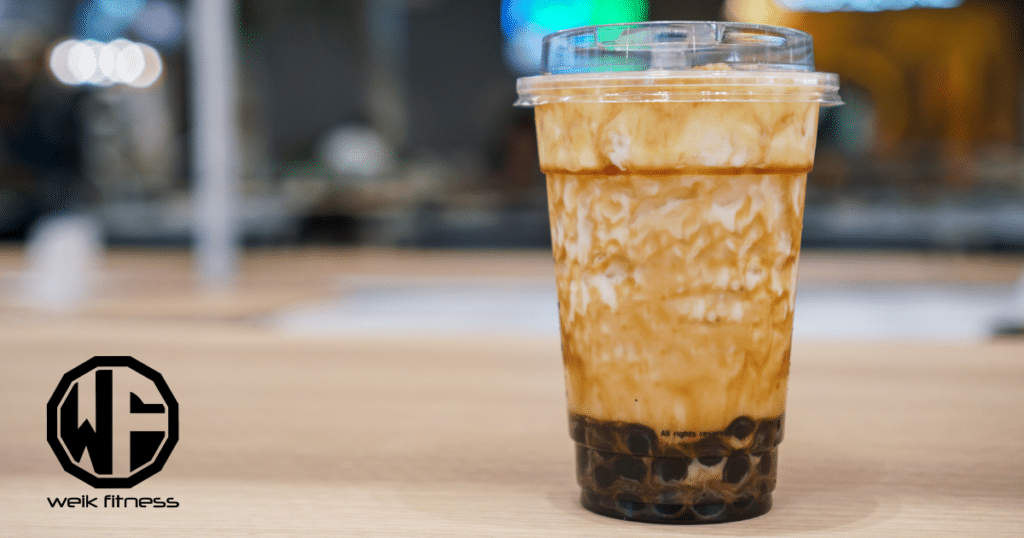
Liquid calories are the energy you consume from beverages instead of solid foods. These calories come from sugar, fat, alcohol, and other ingredients in your drinks.
The biggest issue is that your brain and stomach don’t register these calories in the same way they do with solid food. This means you can drink hundreds of calories and still feel hungry, leading you to consume more total calories throughout the day. It’s one of the most common reasons I see for a weight loss stall.
Why Are Liquid Calories Bad?
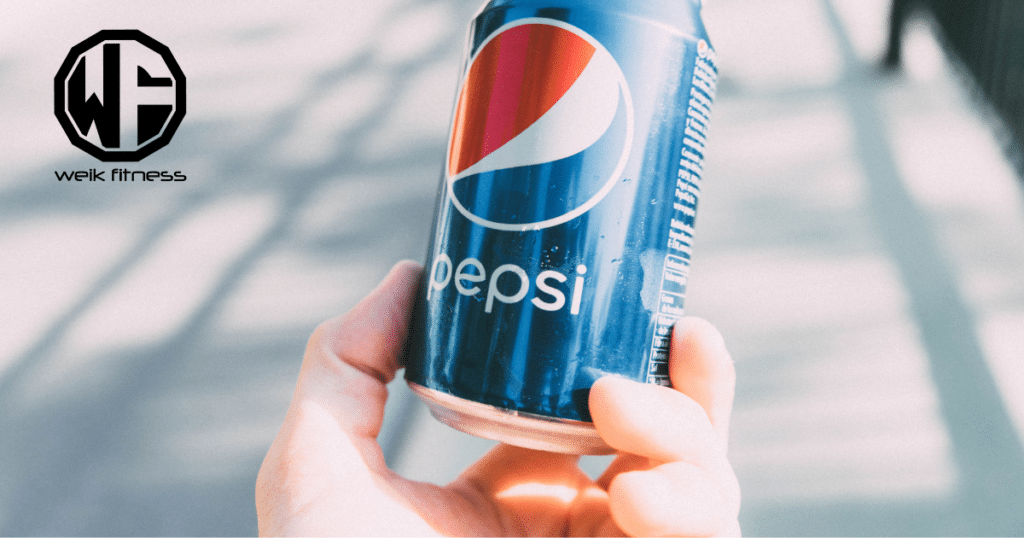
Liquid calories are often a major roadblock to weight loss because they can lead to significant weight gain and other health problems. Here are the main reasons they’re so problematic for your diet.
- They Don’t Make You Feel Full: Research consistently shows that calories from liquids are less satiating than calories from solid foods. Your body digests them much faster, meaning they don’t trigger the same fullness signals that help you stop eating.
- They Are High in Sugar: Many popular drinks are loaded with added sugars. The American Heart Association recommends no more than 6 teaspoons (24 grams) of added sugar per day for women and 9 teaspoons (36 grams) for men. A single 12-ounce can of soda can contain nearly 10 teaspoons, exceeding the daily limit in one go.
- They Are “Hidden” Calories: It is incredibly easy to forget to count the calories in your drinks. Most people focus only on their food intake, allowing hundreds of liquid calories to sneak into their diet and sabotage their progress.
- They Spike Your Blood Sugar: Sugary drinks are absorbed rapidly, causing a sharp spike in blood sugar and insulin levels. This can lead to a subsequent crash, leaving you feeling tired, hungry, and craving more sugar.
- They Offer Poor Nutritional Value: Most high-calorie beverages provide “empty calories” with little to no essential nutrients like fiber, protein, vitamins, or minerals. This can displace healthier, more nutrient-dense foods in your diet.
Paying close attention to your beverage choices is essential for maintaining a healthy weight and achieving your fitness goals.
Liquid Calories You Should Stay Away From
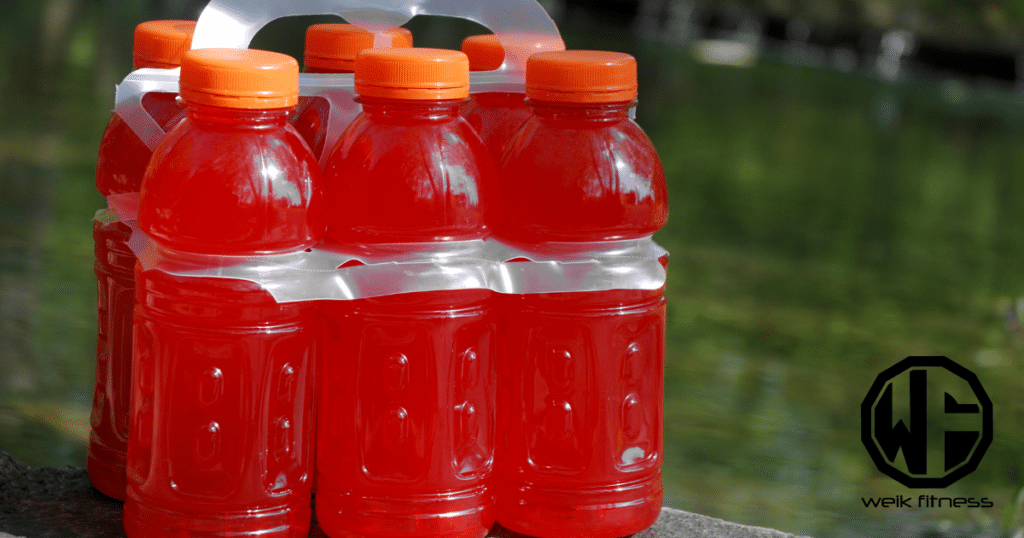
Below are some of the biggest offenders when it comes to liquid calories. If your weight loss has stalled, eliminating these drinks can make a huge difference.
1. Sports Drinks
There are many well-known brands out there, and while you see professional athletes drinking them, their bodies are using those calories for fuel during intense activity. For the average person who isn’t engaging in prolonged, strenuous exercise, these drinks are just sugar water.
Related Article: Sports Drinks — A Sugar Trap for Kids?
For example, a standard 20-ounce bottle of Gatorade or Powerade contains around 140 calories and 34-35 grams of sugar. Unless you’re an endurance athlete who needs to replenish electrolytes and carbohydrates during a long event, these drinks do more harm than good for a weight loss goal. Stick to water for hydration.
2. Regular Soda
When it comes to empty liquid calories, soda is arguably the worst offender. According to recent data, the average American is estimated to drink around 41.9 gallons of soft drinks in 2025. While this number is thankfully on a downward trend, it’s still a staggering amount.

A single 12-ounce can of a soda like Coca-Cola contains about 140 calories and 39 grams of sugar. If you drink just one can per day, those liquid calories add up to over 51,000 calories in a year. Since 3,500 calories equal one pound of fat, that’s a potential weight gain of nearly 15 pounds from soda alone.
Related Article: Not Even a Soda Tax Can Stop Us!
The problem gets worse when you eat out. Restaurants often serve sodas in much larger glasses with free refills. It’s easy to consume hundreds of calories without even thinking about it. Switching to water or a zero-calorie beverage is one of the most impactful changes you can make.
3. Fruit Juice
Many people believe fruit juice is a healthy choice, but it’s often a concentrated source of sugar and liquid calories. When juice is made, the fruit’s fibrous pulp and skin are removed. Fiber is what helps slow down sugar absorption and makes you feel full.
Related Article: Pomegranate Juice — Is This Something You KNEEd to Drink?
Without the fiber, you’re left with sugar water that spikes your blood sugar. For instance, a glass of orange juice can have 120 calories and 22 grams of sugar, while a whole orange has only about 45 calories and provides the beneficial fiber. It’s much easier to over-consume calories by drinking juice than by eating whole fruit. Always choose the whole fruit over the juice.
4. Fancy Tea and Coffee
Your daily trip to the coffee shop could be adding a meal’s worth of liquid calories to your day. While black coffee and plain tea are virtually calorie-free, the fancy, flavored drinks are a different story. Syrups, sauces, whipped cream, and whole milk can turn a simple coffee into a dessert in a cup.
A large seasonal latte or a Starbucks Frappuccino can easily pack over 400 calories and more than 50 grams of sugar. A bottled Starbucks Frappuccino from the store contains around 200-300 calories, depending on the flavor. If you need your morning coffee, opt for black coffee or unsweetened tea. If you need a little sweetness, use a zero-calorie sweetener like Stevia.
Here’s a pro tip from my experience: sweeten your coffee with protein powder. Instead of sugar and fat-filled creamers, mix a scoop of your favorite flavored protein powder into your coffee. This adds a protein boost to support muscle growth and keeps you full, all while cutting out unhealthy liquid calories. It’s a win-win.
5. Alcohol
It’s easy to forget that alcoholic beverages contain significant liquid calories. A standard 12-ounce beer has around 150 calories, a 5-ounce glass of wine has about 125 calories, and cocktails can be much higher depending on the mixers used. An 8-ounce margarita, for example, can have over 300 calories.
A February 2026 report highlighted that when your body metabolizes alcohol, it prioritizes it over other nutrients. This process suppresses fat oxidation, meaning your body temporarily stops burning fat to deal with the alcohol first.
Frequent drinking can directly interfere with your body’s ability to burn fat. Plus, alcohol can lower your inhibitions, often leading to poor food choices and overeating. If weight loss is your goal, it’s best to limit or eliminate alcohol from your diet.
FAQs About Liquid Calories
Are zero-calorie drinks okay for weight loss?
Generally, yes. Zero-calorie drinks like water, black coffee, unsweetened tea, and diet sodas do not contain calories and therefore won’t directly contribute to weight gain. They can be a helpful tool for transitioning away from sugary beverages. However, some people find that artificial sweeteners can increase their cravings for sweet things, so it’s important to pay attention to how your body responds.
Do smoothies count as liquid calories?
Yes, but they can be different. A smoothie made with whole fruits, vegetables, and a protein source (like Greek yogurt or protein powder) retains the fiber and can be a nutritious meal replacement. However, smoothies from shops are often loaded with fruit juice, syrups, and other high-sugar ingredients, turning them into high-calorie traps. Always check the ingredients.
How can I track my liquid calorie intake?
The best way is to treat your drinks like you treat your food. Use a nutrition tracking app like MyFitnessPal or Cronometer to log every beverage you consume that isn’t water. You might be surprised at how quickly the calories add up. Reading the nutrition label on any bottled or canned drink is also a crucial habit to develop.
Will cutting out liquid calories be enough to break a weight loss plateau?
For many people, it can be a game-changer. If you’ve been unknowingly consuming hundreds of extra calories from drinks, cutting them out can easily put you back into a calorie deficit and restart your progress. However, a true plateau can have multiple causes, including metabolic adaptation, so it’s also important to ensure your workout routine and solid food choices are still aligned with your goals.


*Disclosure: This article may contain affiliate links or ads, which means we earn a small commission at no extra cost to you if you make a purchase through these links. These commissions help support the operation and maintenance of our website, allowing us to continue producing free valuable content. Your support is genuinely appreciated, whether you choose to use our links or not. Thank you for being a part of our community and enjoying our content.
PLEASE CONSIDER SHARING THIS ON YOUR SOCIAL MEDIA TO HELP OTHERS LEARN MORE ABOUT THIS TOPIC.