


Joint Supplements: Not Exciting… But Necessary!
Let’s be honest, no one gets excited about joint supplements. They don’t have the same appeal as a pre-workout that gets you amped for a training session or a protein powder for building muscle. As a strength coach and sports nutritionist, I can tell you that most people don’t think about their joints until they start hurting.
But ignoring them is a mistake I’ve seen countless athletes and clients make over the years. Are you one of the lucky ones who hasn’t snapped up some joints or ligaments yet? That’s great, but preventative care is what ensures you stay in the game long-term. Thinking about a strategy for daily bone and joint supplements now is one of the smartest moves you can make for your future self.
This guide will break down what these boring but essential bone and joint supplements do, which ingredients actually work, and how to choose one that protects your active lifestyle for years to come.
Disclaimer: This article is for informational purposes only and is not meant to treat or diagnose any condition. It is recommended that you speak with your doctor before starting any exercise program, changing your daily nutrition, or adding any supplements to your regimen.
Table of contents
- Key Takeaways
- What Are Joint Supplements?
- What Are the Main Ingredients Found in These Specific Supplements?
- The Foundational Pair: Glucosamine and Chondroitin
- Powerful Anti-Inflammatories
- Next-Generation Cartilage Support
- Can Everyone Take Joint Supplements?
- Zzzzzzzzzz… Wake Up! Don’t Snooze on These Supplements
- Raise Your Hand If You’re Excited About Joint Supplements?
- More People Getting Active
- How to Make Us Care About Joint Supplements
- A Painful Future? The Choice Is Yours!
- FAQs About Joint Supplements
Key Takeaways
- Joint supplements provide key compounds like glucosamine and chondroitin to support cartilage health, reduce inflammation, and improve mobility.
- Look for clinically effective doses, such as 1,500 mg of glucosamine sulfate and 1,200 mg of chondroitin sulfate, for the best results.
- Newer ingredients like Undenatured Type II (UC-II) Collagen and Boswellia Serrata offer powerful anti-inflammatory and cartilage-protective benefits.
- Always choose products with third-party certifications like NSF Certified for Sport or Informed-Choice to guarantee quality and purity.
- Preventative care is crucial. A 2022 study from the University of Edinburgh found that one in four retired Olympians suffers from osteoarthritis, highlighting the toll that an active life can take on your joints.

What Are Joint Supplements?
Joint supplements are dietary formulas designed to support the health, function, and comfort of your joints. They deliver compounds that help maintain cartilage, lubricate joint structures, and manage inflammation.
Think of them as nutritional support for the constant wear and tear your body endures. Intense exercise, repetitive movements, and even aging can degrade the cartilage that cushions your bones. A study of former athletes found the prevalence of knee osteoarthritis to be around 30.0%, showing just how common these issues are for active individuals. These supplements aim to provide the building blocks your body needs to counteract that damage.
While results can vary from person to person, the goal is to promote long-term joint integrity so you can continue to train hard and live without pain.
What Are the Main Ingredients Found in These Specific Supplements?
The label on a joint supplement can be confusing, but a few key ingredients have the most scientific backing. As a professional in this field, I always tell my clients to look for specific names and dosages, not just marketing hype. Here are the heavy hitters.
The Foundational Pair: Glucosamine and Chondroitin
These two are the most well-known ingredients in the joint health world. They are natural components of your cartilage.
- Glucosamine Sulfate: This is a crucial building block for cartilage. Studies consistently show that a daily dose of 1,500 mg is effective for supporting joint health and may even help slow cartilage breakdown.
- Chondroitin Sulfate: Chondroitin acts like a sponge, helping your cartilage retain water and stay shock-absorbent. The clinically supported dose is typically 1,200 mg per day when taken with glucosamine.
Powerful Anti-Inflammatories
Managing inflammation is key to reducing joint pain and stiffness. These ingredients are standouts for their natural anti-inflammatory properties.
- Turmeric (Curcumin): Curcumin is the active compound in turmeric. A 2021 review of multiple studies found that it significantly improved knee osteoarthritis pain compared to a placebo. Look for formulations with enhanced bioavailability, often paired with black pepper extract (piperine).
- Boswellia Serrata: This herb, also known as Indian frankincense, contains boswellic acids that inhibit inflammatory enzymes. A 2020 meta-analysis confirmed it can relieve pain and stiffness and improve joint function, with benefits seen in as little as four weeks.
- Omega-3 Fatty Acids: Found in fish oil, these healthy fats help reduce inflammation throughout the body. The National Institutes of Health recommends 1,600 mg daily for men and 1,100 mg for women to support joint health.
Next-Generation Cartilage Support
Newer ingredients are showing exciting promise in clinical research for more targeted joint support.
- Undenatured Type II Collagen (UC-II): This specific form of collagen works with your immune system to help reduce inflammation and prevent the breakdown of your own cartilage. One robust trial found that just 40 mg per day of UC-II was significantly more effective at reducing pain and stiffness than a combination of glucosamine and chondroitin.
- Methylsulfonylmethane (MSM): A source of sulfur, MSM is important for building strong connective tissues. It’s often included for its anti-inflammatory effects and ability to reduce pain and stiffness.
Can Everyone Take Joint Supplements?
Most joint supplements are safe for the general population, but it’s not a one-size-fits-all situation. As with any supplement, you need to be smart and consult a healthcare professional, especially if you have pre-existing conditions or take other medications.
Here are the most important factors to consider.
- Allergies: This is a big one. Glucosamine is often sourced from shellfish. If you have a shellfish allergy, you must find a vegan-friendly version, which is typically made from corn.
- Medication Interactions: Certain ingredients can interact with prescriptions. For example, glucosamine and chondroitin may have a blood-thinning effect, which could be risky if you’re taking medications like Warfarin.
- Medical Conditions: If you have conditions like diabetes or bleeding disorders, it is essential to talk to your doctor before starting a new supplement regimen.
- Pregnancy and Breastfeeding: The safety of many joint supplement ingredients has not been established for pregnant or breastfeeding individuals, so it’s best to avoid them during this time.
Pro-Tip on Quality: The supplement industry isn’t as regulated as many think. Look for products that have been third-party tested by organizations like NSF Certified for Sport or Informed-Choice. These certifications verify that the product contains what the label says and is free of banned substances, which is critical for competitive athletes.
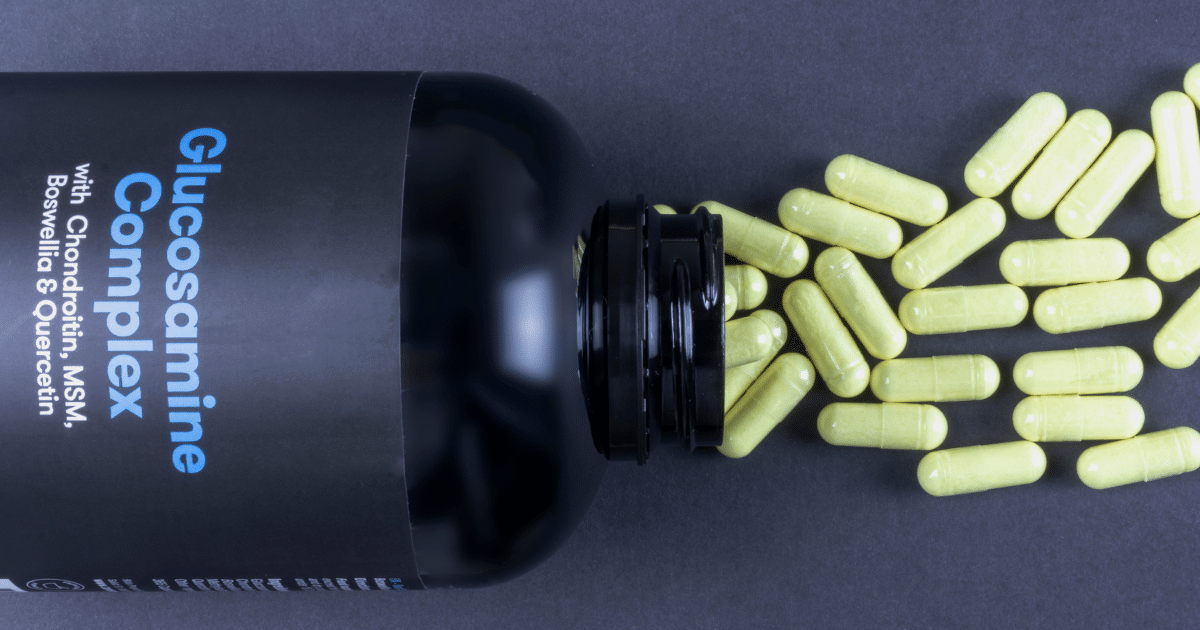
Zzzzzzzzzz… Wake Up! Don’t Snooze on These Supplements
Okay, I get it. Joint supplements are boring. They don’t give you an instant energy boost or a muscle pump. Their job is to work quietly in the background, playing the long game for your health.
When you look at the market numbers, it’s clear where the excitement is. The global pre-workout supplement market was valued at around $19.58 billion in 2024. In contrast, the bone and joint health supplement market was valued at about $13.6 billion in 2023. While that’s still a massive number, it shows that people are more focused on products they can “feel” working immediately, like pre-workouts, protein, and creatine.
Raise Your Hand If You’re Excited About Joint Supplements?
No one? That’s what I thought. But you should be.
Much of the revenue for joint supplements has historically come from an older demographic dealing with existing aches and pains. But in my experience, the younger, “invincible” crowd in the sports nutrition industry is starting to wise up. They’re learning the hard way that you only start caring about joint health after an injury, when it’s often too late for prevention.
Ignoring preventative care is a recipe for future problems. Every heavy lift and high-impact session adds up over time.
More People Getting Active
The great news is that health and fitness are more popular than ever. The old statistic from 2015 showing 55 million gym members is completely outdated. According to the Health & Fitness Association, a record 77 million Americans held a gym membership in 2024. That represents nearly 25% of the population aged six and older.
More active people means more wear and tear on joints. This massive increase in activity levels underscores why a proactive approach to joint health is no longer optional, it’s essential for anyone serious about their fitness journey.
How to Make Us Care About Joint Supplements
So how can brands get people to care about a product that doesn’t offer instant gratification? It starts with education, not hype.
Companies are limited in the claims they can make, and for good reason, to avoid lawsuits over unsupported statements. The smart brands are shifting the focus to long-term wellness and prevention. They use their sponsored athletes and ambassadors to show joint supplements as a non-negotiable part of their daily routine, right alongside their protein and creatine.
It’s a clever strategy. Seeing an elite athlete prioritize something as “boring” as a joint supplement sends a powerful message: if you want to perform at a high level for a long time, you need to take care of your foundation.
A Painful Future? The Choice Is Yours!
As a coach, I’ve seen it all. The athletes who prioritize longevity are the ones who are still training, competing, and living without pain in their 40s, 50s, and beyond.
All of that heavy lifting builds incredible strength, but it also places immense stress on your joints. The choice is simple. You can wait until the daily aches and pains start, or you can take proactive steps now to support your body.
Joint supplements may not be the coolest product on the shelf, but for anyone dedicated to a long and active life, they are absolutely necessary.
FAQs About Joint Supplements
How long does it take for joint supplements to work?
Patience is key. Unlike a painkiller, joint supplements work by providing nutritional support to tissues, which takes time. Most clinical evidence suggests you need to take them consistently for at least 4 to 8 weeks before noticing significant improvements in pain and mobility. For some individuals, it may take up to three months to feel the full benefits.
Can I get these nutrients from food?
While a balanced diet is fundamental for overall health, getting therapeutic doses of specific joint-supporting compounds from food alone is difficult. Glucosamine and chondroitin are found in cartilage and shellfish shells, which aren’t a typical part of the modern diet. Nutrients like curcumin from turmeric and omega-3s from fatty fish are more accessible, but supplementation ensures you get a consistent, concentrated dose needed for a therapeutic effect.
Are joint supplements a waste of money for young athletes?
Absolutely not. In my professional opinion, this is a form of investment. Think of it as insurance for your joints. Intense, repetitive training places enormous strain on the body, and research shows elite athletes have a significantly higher risk of developing osteoarthritis later in life. By starting a smart supplementation routine early, you’re not just reacting to pain, you’re proactively maintaining the cartilage and connective tissue you need to perform for decades.


*Disclosure: This article may contain affiliate links or ads, which means we earn a small commission at no extra cost to you if you make a purchase through these links. These commissions help support the operation and maintenance of our website, allowing us to continue producing free valuable content. Your support is genuinely appreciated, whether you choose to use our links or not. Thank you for being a part of our community and enjoying our content.
PLEASE CONSIDER SHARING THIS ON YOUR SOCIAL MEDIA TO HELP OTHERS LEARN MORE ABOUT THIS TOPIC.