

A Look Inside Today’s BOOMING Sports Nutrition Market
The sports nutrition market is not just growing, it’s exploding. This is an industry that consistently expands, and recent years have supercharged that trend.
Forget the old numbers. The global sports nutrition market is now projected to hit an astounding $85.7 billion by 2030, according to a report by Grand View Research. This incredible momentum isn’t just from new companies entering the space. It’s driven by established manufacturers innovating to meet powerful new consumer demands for convenience, transparency, and products that fit a broader definition of a healthy lifestyle.
This guide will break down the key trends fueling this growth, giving you an inside look at the strategies and shifts shaping today’s booming sports nutrition business.
Disclaimer: This article is for informational purposes only and is not meant to treat or diagnose any condition. It is recommended that you speak with your doctor before starting any exercise program, changing your daily nutrition, or adding any supplements to your regimen.
Table of contents
- What’s Building the Sales Momentum?
- Protein and Nutrition Bars Are Cleaning Up Their Act
- Today’s Titans: Who is Eating Up the Sports Nutrition Market?
- A Demographic Shift?
- Digital First: The New Advertising Playbook
- What the Future Holds For the Sports Nutrition Market?
- FAQs About the Sports Nutrition Market
Key Takeaways
- Massive Market Growth: The sports nutrition market is experiencing explosive growth, with projections showing it will reach well over $80 billion globally by 2030, driven by an expanding consumer base.
- Clean Labels are King: Consumers are more educated than ever. They demand transparency, which means no proprietary blends, recognizable ingredients, and third-party certifications like NSF or Informed-Sport.
- Convenience is Crucial: Ready-to-drink (RTD) beverages and protein bars continue to dominate the market. Their ease of use appeals to a broad audience, from hardcore athletes to busy professionals.
- New Faces in the Aisles: The market is no longer just for bodybuilders. Women, “weekend warriors,” and seniors are major growth demographics, seeking products for general wellness, healthy aging, and lifestyle support.
- Digital-First Marketing: The most successful brands are ditching old advertising models for influencer collaborations on platforms like TikTok and Instagram, creating authentic connections with consumers.
What’s Building the Sales Momentum?
The sales engine for the sports nutrition business is being fueled by a massive shift in consumer behavior. The North American market alone was valued at over $15 billion in 2023, and it continues to climb. While classic protein powder still leads the charge due to its affordable price per serving, the real story is in the details.
One of the biggest factors is the expansion into grocery and mainstream retail channels. This has introduced supplements to the “casual” health enthusiast, moving products from specialty stores to everyday shopping carts. You’ll notice these are often smaller tubs and packages, designed for trial and accessibility rather than bulk purchases.
As a sports nutritionist, the most exciting trend I see is the demand for cleaner, more transparent formulas. My clients are smart, they read labels. They want natural ingredients and fewer fillers. This has pushed the industry in a positive direction.
Proprietary blends are finally fading away. With past lawsuits over products not meeting label claims, consumers now demand to know the exact dosage of every ingredient. Brands that are transparent are winning trust and market share.
This push for quality has slightly increased the price per serving for many products. However, educated consumers understand they are paying for efficacy and safety, and sales data shows they are willing to make that investment. Convenience remains a huge driver, with consumers consistently reaching for a ready-to-drink (RTD) shake or a protein/nutrition bar for their ease and great taste, even if they cost more than powders.
Protein and Nutrition Bars Are Cleaning Up Their Act
For years, protein bars were the running joke of the supplement industry. Many of us called them “glorified candy bars” for a good reason. The ones that tasted good were packed with sugar, and the healthy ones had the texture of cardboard. There was rarely a happy medium.
Thankfully, that has completely changed. The bar market is now a hotbed of innovation. Modern brands have figured out how to deliver amazing taste with clean, effective nutritional profiles.
Today, brands leading the charge include:
- Barebells: This brand exploded in popularity for its decadent, candy-bar-like flavors while keeping sugar content extremely low, typically around 1 gram.
- Quest Nutrition: A pioneer in the space, Quest remains a top seller by focusing on high fiber and unique, bakeable formulas that appeal to creative, health-conscious consumers.
- ONE Brands: Known for their signature “ONE” gram of sugar, these bars compete directly on taste and have secured significant shelf space in convenience and grocery stores.
The success of these brands proves that consumers no longer have to choose between taste and nutrition. As a result, the functional food bar segment of the sports nutrition market is projected to grow by over 7% annually. You can find everything from keto-friendly options to plant-based bars, like those from Misfits, that cater to every dietary need. Even a simple Best Bar Ever has found a following by focusing on whole-food ingredients.
Today’s Titans: Who is Eating Up the Sports Nutrition Market?
While the original article highlighted Cytosport and its Muscle Milk line, the landscape has dramatically shifted. PepsiCo acquired the brand in 2019, and while Muscle Milk ready-to-drink (RTD) shakes remain popular, the market is now led by a new set of giants.

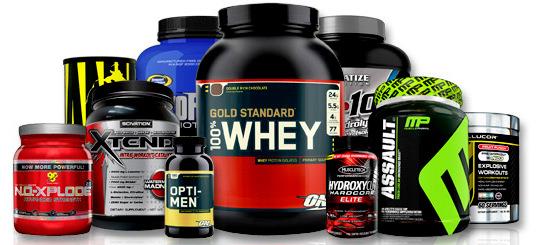
Today, the industry powerhouse is Glanbia, which owns both Optimum Nutrition and BSN. Optimum Nutrition’s Gold Standard 100% Whey is consistently one of the best-selling protein powders in the world. Their success comes from decades of trust, consistent quality, and a massive distribution network that places them in every type of retail environment, from specialty supplement stores to big-box chains.
Another dominant force is Nutrabolt, the parent company of Cellucor and its iconic C4 pre-workout line. They have leveraged their expertise in energy supplements to expand into the booming energy drink market, showing how brands can successfully cross over into adjacent categories. Their expansion into the mass market channel has been a playbook for growth.
A Demographic Shift?
The core customer for supplements is changing. For years, marketing was aimed almost exclusively at male athletes and bodybuilders. Now, brands recognize that this ignores huge segments of the population. The smart ones are adjusting their strategies.
In my experience as a trainer, I see this every day. People are embracing a wider range of activities like yoga, hiking, and obstacle course races over traditional team sports. These “weekend warriors” are a primary growth engine for the industry.
Here are the key demographic shifts in sports nutrition:
- Women: The number of active female consumers is surging. This group represents a massive opportunity. Brands are now creating female-focused products and marketing that speaks to their unique health and wellness goals, recognizing that women are a key piece of the sports nutrition market.
- Seniors: The active aging population is using sports nutrition supplements to maintain muscle mass, support joint health, and manage weight. Products with collagen are seeing huge growth in this demographic, and plant-based options like pea protein are also soaring in popularity. A 2023 study highlighted that protein supplementation can significantly help older adults preserve muscle strength.
- Gen Z and Millennials: These digital natives value authenticity and brand storytelling. They connect with brands on social media and are drawn to exciting flavor collaborations and sustainable practices.
Digital First: The New Advertising Playbook

The days of relying on magazine ads are long gone. Today’s most successful brands connect with consumers directly through digital channels and real-world events. It’s all about building a community.
Experiential marketing is huge. Instead of just sponsoring races like MET-Rx once did, brands now create immersive experiences. Pop-up shops, fitness expos, and community workouts allow customers to interact with the brand and try products firsthand.
However, the biggest shift is in influencer marketing. Authenticity is key. Consumers trust recommendations from fitness creators they follow and admire. Look at brands like Ghost, which built its empire on collaborations with top YouTubers and streamers, or Ryse, which partnered with influential bodybuilders.
Brands like Cellucor also use this strategy effectively, promoting their C4 pre-workout through a network of athletes and fitness personalities on TikTok and Instagram, reaching millions of potential customers.
What the Future Holds For the Sports Nutrition Market?
The sports nutrition business will continue to blur the lines with the broader wellness industry. As more people adopt proactive approaches to their health, the demand for innovative products will only increase. Expect to see major growth in a few key areas.
Personalization will become more common, with brands using data to offer customized supplement recommendations. We’ll also see a rise in products targeting cognitive benefits, like focus and mental clarity, by incorporating ingredients like nootropics. The category of sports foods, such as protein-fortified snacks and meals, will also expand significantly.
The sports nutrition market is dynamic and exciting. The brands that succeed will be those that listen closely to their customers, prioritize transparency, and adapt quickly to the evolving definition of what it means to be healthy and active.
FAQs About the Sports Nutrition Market
What is the fastest-growing category in sports nutrition?
Ready-to-drink (RTD) beverages, including protein shakes and energy drinks, represent one of the fastest-growing segments. Their convenience appeals to a broad consumer base beyond traditional athletes, driving massive sales in grocery stores, gas stations, and gyms.
Are plant-based supplements becoming more popular?
Absolutely. The demand for plant-based protein powders and bars is skyrocketing. Driven by consumers seeking sustainable and dairy-free options, proteins derived from peas, brown rice, and soy are now mainstream. This trend is expected to continue growing significantly.
How important is social media for a supplement business?
It is essential. Social media, particularly platforms like TikTok and Instagram, is the primary channel for brand discovery and community building for modern consumers. A strong digital presence, often built through authentic influencer partnerships, is no longer optional for success in the sports nutrition business.


*Disclosure: This article may contain affiliate links or ads, which means we earn a small commission at no extra cost to you if you make a purchase through these links. These commissions help support the operation and maintenance of our website, allowing us to continue producing free valuable content. Your support is genuinely appreciated, whether you choose to use our links or not. Thank you for being a part of our community and enjoying our content.
PLEASE CONSIDER SHARING THIS ON YOUR SOCIAL MEDIA TO HELP OTHERS LEARN MORE ABOUT THIS TOPIC.