

When Is the Best Time to Exercise?
If you’re wondering about the best time to exercise, you’re not alone. Many of my clients ask me this when they’re first starting out.
Finding the perfect time for a workout can feel like a huge debate. Should you jump out of bed and hit the gym, or use the day’s meals to fuel an evening session?
Everyone has a theory on the best time to exercise, but the real answer is rooted in your personal goals, your body’s internal clock, and your daily schedule.
As a certified strength and conditioning coach, I’ve seen clients succeed with every possible schedule. This guide will break down the science behind workout timing so you can figure out the absolute best time for you to exercise and get the results you want.
Disclaimer: This article is for informational purposes only and is not meant to treat or diagnose any condition. It is recommended that you speak with your doctor before starting any exercise program, changing your daily nutrition, or adding any supplements to your regimen.
Table of contents
Key Takeaways
- Consistency Is King: The best time to exercise is whenever you can do it consistently. Your schedule is the most important factor.
- Morning for Fat Loss: Research suggests that exercising in a fasted state, typically in the morning, may enhance your body’s fat-burning potential.
- Afternoon for Performance: Your body temperature and strength levels peak in the late afternoon, making it ideal for high-intensity training, lifting heavy, and setting personal records.
- Evening for Muscle Gain & Stress Relief: Some studies show that hormonal profiles in the evening can be beneficial for muscle growth. It can also be a great way to de-stress after a long day.
Is There Really a Best Time to Exercise?
The short answer that many people hate hearing is, “it depends.” There isn’t a single universal “best” time that works for everyone. The optimal time for you depends entirely on your goals, lifestyle, and your body’s natural daily cycles.
Your body operates on a 24-hour internal clock known as the circadian rhythm. This rhythm controls everything from your sleep-wake cycle to your hormone levels and core body temperature. Aligning your workout with your circadian rhythm can unlock better results.
Can You Burn More Fat During Certain Times of Day?
Yes, research indicates that the timing of your workout can influence fat metabolism. This is largely tied to your body’s hormonal state and whether you exercise before or after eating.
Morning workouts, especially when done in a fasted state before breakfast, seem to have an edge. When you exercise on an empty stomach, your body has lower levels of insulin and glycogen. This forces it to tap into its fat stores for energy.
A 2019 study from the UK’s Universities of Bath and Birmingham found that participants who exercised before breakfast burned double the amount of fat compared to those who exercised after breakfast.
While this sounds great, the most critical factors for long-term fat loss are still your total daily calorie intake and overall energy expenditure. Consistency with your exercise routine and a healthy diet will always have the biggest impact on your results.
Is the Best Time to Exercise Early in the Morning?
For many people, a morning workout is the key to consistency. By exercising first thing, you get it done before the day’s responsibilities and excuses can pile up. It can also boost your energy and focus for the rest of the day.
If you’re a morning person, this is clearly the best time to exercise for you.
- Pro: Increased Consistency. People who work out in the morning are often more consistent, according to the American Council on Exercise (ACE).
- Pro: Enhanced Fat Burning. As mentioned, fasted cardio can increase fat oxidation.
- Con: Higher Injury Risk. Your core body temperature is lower in the morning, which can leave your muscles feeling stiff. A thorough warm-up is essential.
- Con: Lower Performance. You may not feel as strong or powerful as you would later in the day.
Are Afternoon Workouts the Best Time to Exercise?
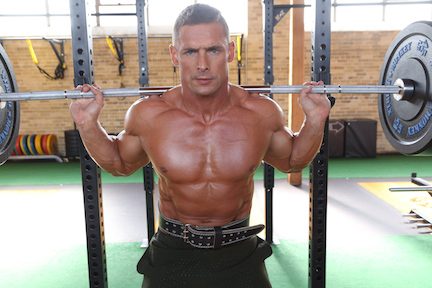
If peak performance is your goal, an afternoon workout is your sweet spot. Your body is fully primed for intense physical activity between 2 p.m. and 6 p.m. It’s the time when you are naturally at your strongest.

Many professional athletes schedule their training sessions during this window to maximize performance. This can be a great option for a lunch break or right after work, but be prepared for a crowded gym. As many busy professionals know, these are popular times.
RELATED: Top Fitness Classes For Busy Professionals
- Pro: Peak Performance. Your core body temperature is optimal, reaction time is quickest, and your strength and endurance are at their daily peak.
- Pro: Lower Injury Risk. Warmer, more pliable muscles mean you’re less likely to get injured compared to a cold morning session.
- Con: Crowded Gyms. The 12 p.m. lunch rush and the 5 p.m. post-work crowd can make for a busy environment.
- Con: Scheduling Conflicts. Work meetings and other commitments can easily derail an afternoon workout plan.
Can You Get the Best Results from Evening Workouts?
If you’re a night owl, an evening workout can be incredibly effective. The gym is often quieter, allowing you to focus without waiting for equipment. For many, it’s a fantastic way to burn off the stress from a long day.
Some research also suggests that evening training could be beneficial for building muscle. A study from the University of Jyväskylä in Finland found that evening strength training resulted in slightly more muscle mass gain over 24 weeks compared to morning training.
The old myth about evening exercise ruining sleep has been largely debunked. A 2019 review in Sports Medicine concluded that as long as you avoid high-intensity exercise within the final 90 minutes before bedtime, evening workouts can actually improve sleep quality.
The Best Time to Exercise Is…
The best time to exercise is the time you can stick with consistently. Your personal schedule is the ultimate decider.
Look at your daily calendar, your energy levels, and your specific fitness goals. If you want to burn more fat, try a morning workout. If you want to lift your heaviest, aim for the afternoon. If you need to de-stress and build muscle, the evening could be perfect.
The most beneficial workout is the one you actually do. If your health and fitness are a priority, you will find the time that works for you. No excuses.
FAQs About the Best Time to Exercise
What is the best time to exercise for weight loss?
For weight loss, many experts point to morning workouts. Exercising on an empty stomach may help your body burn more fat for fuel. More importantly, it helps build a consistent routine before daily distractions get in the way.
Should I eat before a workout?
This depends on the workout. For a light or moderate-intensity cardio session in the morning, exercising fasted is fine. For heavy lifting or high-intensity interval training (HIIT), having a small, easily digestible snack containing carbohydrates 30-60 minutes beforehand can provide the energy you need to perform your best.
Can I exercise at night if I have trouble sleeping?
Yes, but with a small adjustment. Modern research shows that evening exercise generally improves sleep. The key is to avoid very intense workouts, like HIIT or heavy lifting, in the 60-90 minutes right before you plan to go to bed. Lighter activities like yoga or a brisk walk are perfectly fine at any time.


*Disclosure: This article may contain affiliate links or ads, which means we earn a small commission at no extra cost to you if you make a purchase through these links. These commissions help support the operation and maintenance of our website, allowing us to continue producing free valuable content. Your support is genuinely appreciated, whether you choose to use our links or not. Thank you for being a part of our community and enjoying our content.
PLEASE CONSIDER SHARING THIS ON YOUR SOCIAL MEDIA TO HELP OTHERS LEARN MORE ABOUT THIS TOPIC.