
BCAAs Better Than Rest to Reduce Muscle Soreness?
We all know the feeling. That satisfying ache after a tough workout is a badge of honor, but crippling muscle soreness can derail your progress for days. But there ARE ways for you to effectively reduce muscle soreness.
This frustrating pain is called delayed onset muscle soreness, or DOMS, and it often peaks two days after you’ve pushed your limits.
In the quest to get back to the gym faster, many people start consuming BCAAs during their workout, hoping to kickstart recovery. But is this really the best way to reduce muscle soreness?
As a certified sports nutritionist and strength coach, I’ve spent years helping people optimize their recovery. This guide will break down what the science actually says about BCAAs and give you actionable strategies to manage muscle soreness effectively.
Disclaimer: This article is for informational purposes only and is not meant to treat or diagnose any condition. It is recommended that you speak with your doctor before starting any exercise program, changing your daily nutrition, or adding any supplements to your regimen.
Table of contents
Key Takeaways
- BCAAs, especially leucine, play a role in muscle repair, but their effect on reducing muscle soreness is modest.
- Taking BCAA supplements may lower markers of muscle damage, like creatine kinase, particularly when taken after a workout.
- You can get plenty of BCAAs from whole foods like chicken, eggs, and dairy, or from a quality whey protein supplement.
- For most people, focusing on total daily protein intake is more important for recovery than the specific timing of BCAA supplements.

What Are BCAAs and How Do They Work?
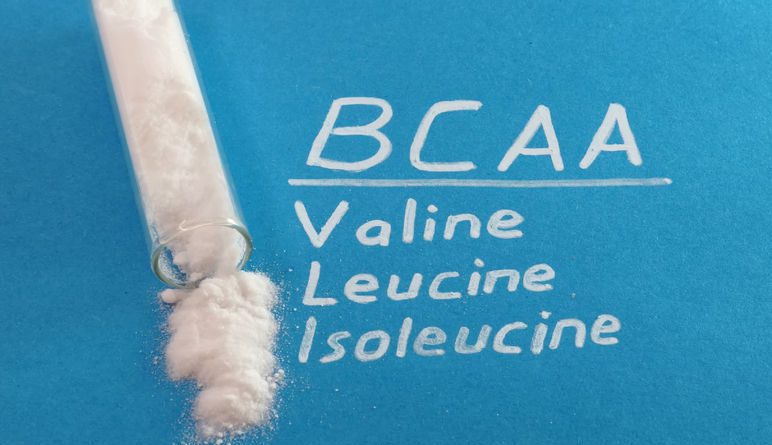
First, let’s cover the basics. Branched-Chain Amino Acids (BCAAs) are a group of three essential amino acids: leucine, isoleucine, and valine. Your body can’t produce them on its own, so you must get them from food or supplements.
Think of leucine as the star player. It acts as a trigger that signals your body to start muscle protein synthesis, the process of repairing and building muscle tissue.
Isoleucine and valine play supporting roles, helping with energy production and regulating blood sugar. Most BCAA supplements use a 2:1:1 ratio of leucine to isoleucine and valine, as this is the most studied and reflects their natural ratio in muscle tissue.
The Science: Can BCAAs Truly Reduce Muscle Soreness?
So, do these amino acids actually help with that post-workout ache? The evidence points to a small but noticeable benefit.
A 2017 meta-analysis from the journal Nutrition looked at eight different studies on the topic. It found that while BCAA use during a workout didn’t have much effect, taking them after exercise did lead to lower levels of creatine kinase. This is important because creatine kinase is a key marker used to measure muscle damage.
Related Article: 10 Best BCAA Supplements on Amazon
More recent research supports this. A 2021 study published in the Journal of the International Society of Sports Nutrition confirmed that BCAA supplementation could decrease DOMS and muscle damage caused by intense exercise.
Essentially, the research suggests that BCAAs don’t prevent soreness entirely, but they can help your muscles recover by reducing the amount of damage done during a workout. This can help you feel better, faster.
Timing is Everything to Reduce Muscle Soreness… Or Is It?
The fitness world loves to debate supplement timing. While the 2017 meta-analysis found post-workout BCAAs to be more effective for reducing muscle damage markers, the broader consensus is shifting.
Many experts now believe that your total daily protein and BCAA intake is more important than precise timing. As long as you have a steady supply of amino acids in your system, your body will have the tools it needs for recovery. Popular brands like Optimum Nutrition and Scivation Xtend are often used around workouts, but their benefits are part of a bigger picture.
In my experience as a coach, worrying about the perfect “anabolic window” causes more stress than it’s worth. A consistent, high-protein diet is your best bet to reduce muscle soreness over the long term.
Food First: Getting BCAAs from Your Diet
Before you spend money on supplements, you should know that many foods are packed with BCAAs. A food-first approach is almost always superior for overall health and recovery.
A single scoop of most whey protein powders, for example, provides around 5.5 grams of naturally occurring BCAAs, which is more than a standard serving of a BCAA supplement. Here are some excellent whole-food sources:
| Food Source | Serving Size | Approximate BCAA Content |
|---|---|---|
| Chicken Breast | 6 ounces | ~9 grams |
| Lean Ground Beef | 6 ounces | ~8 grams |
| Eggs | 4 large | ~5 grams |
| Greek Yogurt | 1 cup | ~5 grams |
| Lentils (cooked) | 1 cup | ~2.5 grams |
Focusing on these protein-rich foods ensures you get not just BCAAs, but all nine essential amino acids your body needs for optimal recovery.
FAQs About How to Reduce Muscle Soreness
Do I need BCAAs if I already drink whey protein?
For most people, the answer is no. Whey protein is a complete protein source, meaning it contains all essential amino acids, including a high amount of BCAAs. A post-workout whey protein shake is generally more effective for stimulating muscle growth and recovery than taking BCAAs alone.
What is the best BCAA ratio?
The 2:1:1 ratio of leucine to isoleucine and valine is the most common and widely researched. It aligns with the natural composition of muscle tissue and provides a solid dose of leucine to trigger muscle protein synthesis without an excessive amount that could hinder the absorption of the other two amino acids.
Are there any side effects of taking BCAA supplements?
BCAA supplements are generally considered safe for healthy individuals when taken at the recommended dosage. Some people may experience mild stomach upset. However, it’s always best to consult with a healthcare provider before starting any new supplement, especially if you have pre-existing kidney or liver conditions.

*Disclosure: This article may contain affiliate links or ads, which means we earn a small commission at no extra cost to you if you make a purchase through these links. These commissions help support the operation and maintenance of our website, allowing us to continue producing free valuable content. Your support is genuinely appreciated, whether you choose to use our links or not. Thank you for being a part of our community and enjoying our content.
PLEASE CONSIDER SHARING THIS ON YOUR SOCIAL MEDIA TO HELP OTHERS LEARN MORE ABOUT THIS TOPIC.