

4 Reasons Why Your Weight Loss Progress Has Stalled
Have you ever started a new fitness journey where the pounds seemed to melt away effortlessly at first? Then, suddenly, the scale stops moving, and your weight loss progress comes to a grinding halt.
If this sounds familiar, you’re not alone. This experience is a normal part of the process. In my career as a certified sports nutritionist and personal trainer, a weight loss plateau is one of the most common frustrations my clients face.
This guide will break down the four most common reasons why your progress has stalled and give you the expert strategies needed to get back on track.
Disclaimer: This article is for informational purposes only and is not meant to treat or diagnose any condition. It is recommended that you speak with your doctor before starting any exercise program, changing your daily nutrition, or adding any supplements to your regimen.
Table of contents
Key Takeaways
- Weight loss plateaus are a normal physiological response, not a sign of failure. Your body is simply adapting to your new habits.
- Inaccurate calorie tracking is a primary cause of stalled progress. Underestimating portion sizes or forgetting “hidden” calories in oils and dressings is common.
- Consistently eating too few calories can slow your metabolism, a process known as metabolic adaptation, making further fat loss more difficult.
- The body adapts to repetitive workout routines. Introducing new exercises or increasing intensity through methods like High-Intensity Interval Training (HIIT) can reignite progress.
- Factors beyond diet and exercise, such as poor sleep and high stress, significantly impact hormones that control hunger and fat storage, like cortisol and ghrelin.

How Can You Monitor Your Weight Loss Progress?
To understand if you’ve truly hit a plateau, you need to track your progress accurately. Relying only on the scale can be misleading because it doesn’t tell the whole story about your changing body composition.
Here are several effective ways to monitor your results, giving you a complete picture of your success.
- Consistent Weigh-Ins: Weigh yourself weekly under the same conditions, for instance, first thing in the morning. This consistency provides a more reliable trend line over time.
- Use a Food Journal or App: Recording your meals is crucial. Studies consistently show that people tend to underestimate how much they eat. Using an app like MyFitnessPal or Lose It! can provide a detailed and objective look at your daily intake.
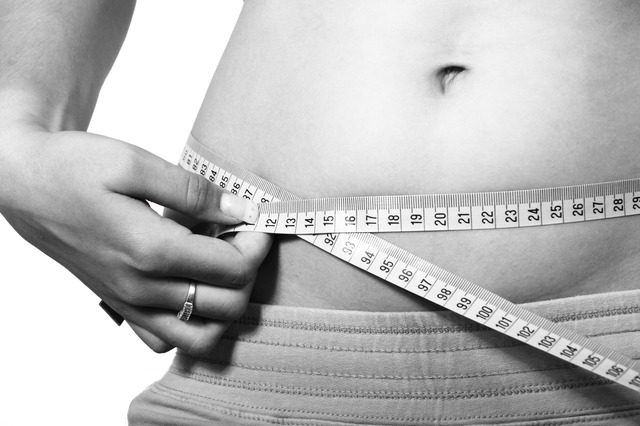
- Take Body Measurements: Muscle is denser than fat, so you might be losing inches even if the scale isn’t moving. Use a flexible tape measure to track changes in your waist, hips, chest, and thighs monthly. For extra accuracy, a tool like the MyoTape ensures consistent tension for every measurement.
- Progress Photos: A picture is worth a thousand words. Take photos from the front, side, and back every 4-6 weeks in the same outfit and lighting to visually capture your transformation.
- Monitor Fitness Performance: Are you lifting heavier weights, running faster, or completing workouts with more ease? These are clear signs of progress that the scale can’t measure.
- Pay Attention to Clothing Fit: One of the best non-scale victories is noticing how your clothes fit more loosely. This is a tangible indicator that you are losing fat and reshaping your body.
- Track Health Markers: If you monitor metrics like blood pressure or cholesterol, improvements in these numbers are a powerful sign of enhanced overall health.
- Use Wearable Technology: Devices like a Fitbit or Whoop tracker can monitor daily steps, sleep quality, and even recovery levels. An increase in daily activity or improved sleep scores are key indicators of positive lifestyle changes.
Remember, true progress is about more than just a number. If you have health concerns, always consult with a healthcare professional or a registered dietitian for personalized guidance.
Reasons Your Weight Loss Progress Has Stalled Out
If you’ve confirmed your progress has truly stopped, it’s time to investigate the cause. Below are the most common culprits I see in my practice. Identify which one applies to you and take action to correct it.
1. You’re eating more than you think you are
This is, by far, the most common reason for a weight loss plateau. It’s incredibly easy to underestimate your calorie intake, even when you’re focused on eating “healthy” foods. If you aren’t tracking what you eat, you can’t be sure you are in a caloric deficit.
Related Article: Are Liquid Calories Stalling Your Weight Loss?
It’s important to remember that even food labels can be inaccurate. The U.S. Food and Drug Administration (FDA) allows a 20% margin of error on calorie counts, which means a “100-calorie” snack could be 120 calories. Those small differences add up over a day.
Pro Tip: Don’t forget to track the “extras.” Cooking oils, salad dressings, sauces, and creamer in your coffee are calorie-dense and often overlooked. A couple of tablespoons of olive oil can add over 200 calories to your meal.
Using an app like MyFitnessPal to track your calories provides a clear, data-driven view of your intake. This accountability is key to ensuring you remain in the deficit needed for fat loss.
2. You’re eating less than you think you are
This might sound counterintuitive, but drastically cutting calories can also halt your weight loss progress. When your body senses a significant energy deficit, it can enter a state of “metabolic adaptation” to conserve energy. This is a survival mechanism that slows down your metabolism, making it harder to burn fat.
Your body is smart. It doesn’t want to starve. This adaptation process involves hormonal changes that increase hunger and reduce energy expenditure.
Most experts recommend that daily intake should not fall below 1,200 calories for women or 1,500 for men without professional supervision. Dropping below this can lead to nutrient deficiencies, muscle loss, and extreme fatigue.
Accurately measuring your food with a kitchen scale is the only way to be sure. Eyeballing portion sizes is a recipe for error. You might think you’re eating enough, but without measuring, you could be significantly undereating and inadvertently slowing your own progress.
3. Your body has adjusted to your program to see weight loss progress
Have you been doing the same workout routine for months? If so, your body has likely adapted. The human body is incredibly efficient and gets used to the same physical stresses over time, burning fewer calories to perform the same activities.

To break through this type of plateau, you need to introduce a new stimulus. This doesn’t mean you need to completely overhaul your program, but you do need to challenge your muscles in new ways.
Here are some effective strategies:
- Incorporate Progressive Overload: This is a foundational principle of strength training. Each week, aim to slightly increase the demand on your muscles. You can do this by lifting heavier weight, performing more repetitions, or reducing rest time between sets.
- Try New Exercises: Swap out some of your regular exercises. If you always do barbell squats, try dumbbell lunges or goblet squats. Small changes can create a significant new challenge.
- Vary Your Cardio: If you always use the treadmill, switch to the elliptical, rowing machine, or a cycle class. A 2017 study in the *British Journal of Sports Medicine* found that High-Intensity Interval Training (HIIT) is a highly effective and time-efficient method for fat loss.
4. Early changes don’t last forever
When you first start a diet, it’s common to see a rapid drop in weight. This is highly motivating, but it’s important to understand what’s happening. Much of this initial loss is water weight, not fat. As your body uses its stored carbohydrates (glycogen), it releases water, causing the scale to drop quickly.
After the first few weeks, fat loss settles into a more sustainable pace. According to the Centers for Disease Control and Prevention (CDC), a healthy and realistic rate of weight loss is one to two pounds per week.
Another factor at play is a concept called Non-Exercise Activity Thermogenesis (NEAT). This is the energy you burn from daily activities that aren’t formal exercise, like walking, fidgeting, or doing chores. As people lose weight, their NEAT often decreases subconsciously, which can reduce daily calorie expenditure by up to 2,000 calories in some cases.
If you’re consistently losing one pound per week, you are not stalled, you are succeeding. Don’t get discouraged. Trust the process and remain consistent, and you will continue to see results.
FAQs About Weight Loss Progress
How long does a weight loss plateau last?
A true plateau typically lasts anywhere from two to four weeks. If the scale hasn’t moved for a month despite consistent effort, it’s time to reassess your nutrition and training strategies using the tips above.
Can poor sleep cause my weight loss to stall?
Absolutely. Lack of quality sleep is a major hidden cause of stalled fat loss. Research shows that sleeping less than 7-9 hours a night can disrupt the hormones that regulate appetite. It increases ghrelin (the hunger hormone) and decreases leptin (the fullness hormone), making you more likely to overeat. Poor sleep also raises cortisol, a stress hormone linked to increased belly fat storage.
Should I have a “cheat meal” to break a plateau?
A more strategic approach than a random “cheat meal” is a planned “refeed day.” This involves a temporary, controlled increase in carbohydrate intake. This can help boost leptin levels, which can dip during prolonged dieting, potentially helping to increase your metabolism and break through a plateau.


*Disclosure: This article may contain affiliate links or ads, which means we earn a small commission at no extra cost to you if you make a purchase through these links. These commissions help support the operation and maintenance of our website, allowing us to continue producing free valuable content. Your support is genuinely appreciated, whether you choose to use our links or not. Thank you for being a part of our community and enjoying our content.
PLEASE CONSIDER SHARING THIS ON YOUR SOCIAL MEDIA TO HELP OTHERS LEARN MORE ABOUT THIS TOPIC.