Can You Track Macros by Taking Photos for Instagram?
Do you track macros the old fashion way? This new take using social media may be exactly what you need!
Using Instagram to track your meals has become a huge trend for fitness enthusiasts and people focused on weight loss. It feels like everyone is posting pictures of their food.
As a certified sports nutritionist and strength coach with over 15 years of experience, I’ve seen this trend from every angle. I can see the potential for accountability, but I also see the major pitfalls where people go wrong.
So, can you really track macros by taking photos for Instagram? Let’s break down the good, the bad, and what you actually need to know to get results.
Disclaimer: This article is for informational purposes only and is not meant to treat or diagnose any condition. It is recommended that you speak with your doctor before starting any exercise program, changing your daily nutrition, or adding any supplements to your regimen.
Table of contents
Key Takeaways
- Visual Accountability: Posting meal photos on Instagram can create a strong sense of accountability and provide a visual record of your eating habits.
- Major Inaccuracy: Without weighing food and using a dedicated app, “eyeballing” portion sizes from a photo is highly inaccurate and can derail your nutrition goals.
- Superior Tools Exist: Apps like MyFitnessPal and Cronometer offer precise tracking with barcode scanners and vast food databases, which is essential for accurate macro counting.
- Mental Health Risks: For some, the public pressure of a social media food journal can contribute to unhealthy eating patterns or orthorexia.

Track Macros — The Good
As I scroll through my own Instagram feed, I see it constantly: plate after plate of food. At first glance, you might think it’s just people sharing unique dishes. But for many, it’s a modern tool for hitting weight loss goals.
For people who hate the idea of writing in a journal or using an app, social media feels like a more natural way to stay accountable. You post your meals on Instagram, creating a visual diary you can reference later. It’s a simple method to track macros from your meals throughout the day and get encouragement from followers.
This visual log makes it easy to spot patterns. You can quickly see how many times you grabbed donuts or strayed from your plan over a week or month. It’s a straightforward way to keep a record with images.
A researcher from a study highlighted by the University of Washington noted the social benefit: “It’s more socially appropriate for people who are trying to track their diets to snap a photo of their plate when they’re out with friends, everyone’s doing it and it doesn’t look weird.”
The visual evidence can also be a powerful reality check. Another researcher explained that seeing a whole grid of unhealthy choices makes it harder to rationalize them away as “special occasions.”
RELATED: Can You Lose Weight Without Counting Macros?
Many users find that this process keeps them honest. One Instagrammer mentioned that taking a picture makes the meal “real,” confirming it counts toward their daily intake. To keep things organized, some people create a separate, dedicated Instagram account just for their food log. This allows them to connect with fitness communities using hashtags like #foodjournal and #fooddiary without spamming their friends and family.
The Bad About This Way to Track Macros
Now, let’s talk about the other side of the coin. If simply posting photos is helping you lose weight, that’s great. However, from my professional experience, this method has some serious flaws that can stop your progress.
Taking a picture of a pizza and posting it doesn’t change the calories you consume. A photo provides a record, but it doesn’t provide the data you need to make informed decisions about your nutrition.
The biggest issue is the complete lack of accuracy. If you don’t understand proper portion sizes, you can post a photo of what looks like a balanced meal while actually being far off your macro targets. Research consistently shows that “eyeballing” portions is incredibly unreliable. For instance, some studies have found people can underestimate their actual calorie intake by up to 50% when they don’t weigh their food.
For truly effective results, you need precise data. This is where dedicated macro-tracking apps are far superior.
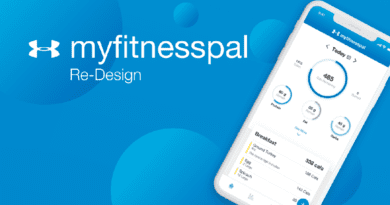
- MyFitnessPal: This is the most popular app, largely because of its massive, user-generated food database and barcode scanner.
- Cronometer: I often recommend this to clients who are serious about nutrition. It tracks not only macros but also a wide range of vitamins and minerals, making it excellent for assessing overall diet quality.
- Lose It!: Known for its user-friendly design, this app also features a strong community aspect, similar to the social support you might find on Instagram.
These tools eliminate the guesswork. You can’t know the calorie difference between a four-ounce steak and an eight-ounce steak just by looking. Without that data, you could be missing your daily goals by a huge margin.
RELATED: Meal Timing for Macros — Does It Even Contribute to Your Diet?
Ultimately, a photo log lacks a concrete plan. It can’t tell you how many calories or grams of protein you have left for the day. While it might work initially, you’ll likely hit a plateau that you can’t overcome without more precise data. In my experience working with hundreds of clients, the people who see the best and fastest results are the ones who diligently record every item they consume.
Sources:
Materials provided by University of Washington.
University of Washington. “Food photos help Instagram users with healthy eating.” ScienceDaily. ScienceDaily, 26 April 2017.
FAQs
Can photo logging ever be accurate for tracking macros?
Not on its own. A photo cannot tell you the weight or exact nutritional content of your food. For accuracy, you must use a food scale to weigh your portions and log that data into a dedicated nutrition app. A photo can be a helpful supplement for remembering what you ate, but it is not a primary tracking tool.
What’s the best app for tracking macros?
The “best” app depends on your goals. MyFitnessPal is great for beginners due to its extensive database. Cronometer is excellent for those who want detailed micronutrient data. Lose It! is another solid choice with a great interface. I recommend trying one or two to see which you prefer.
Is it unhealthy to post everything I eat online?
It can be for some individuals. The public nature of social media can create pressure and a focus on “perfect” eating. For some, this can lead to disordered eating patterns like orthorexia, which is an unhealthy obsession with healthy food. If you feel anxiety or guilt around your food posts, it may be a sign to switch to a private tracking method.
How do I get started with tracking macros accurately?
Start by using a calculator to determine your daily calorie and macro targets based on your goals. Then, purchase an inexpensive digital food scale. Finally, download a tracking app like MyFitnessPal or Cronometer and begin weighing and logging everything you eat for at least a few weeks to learn about portion sizes and the content of your food.


*Disclosure: This article may contain affiliate links or ads, which means we earn a small commission at no extra cost to you if you make a purchase through these links. These commissions help support the operation and maintenance of our website, allowing us to continue producing free valuable content. Your support is genuinely appreciated, whether you choose to use our links or not. Thank you for being a part of our community and enjoying our content.
PLEASE CONSIDER SHARING THIS ON YOUR SOCIAL MEDIA TO HELP OTHERS LEARN MORE ABOUT THIS TOPIC.