

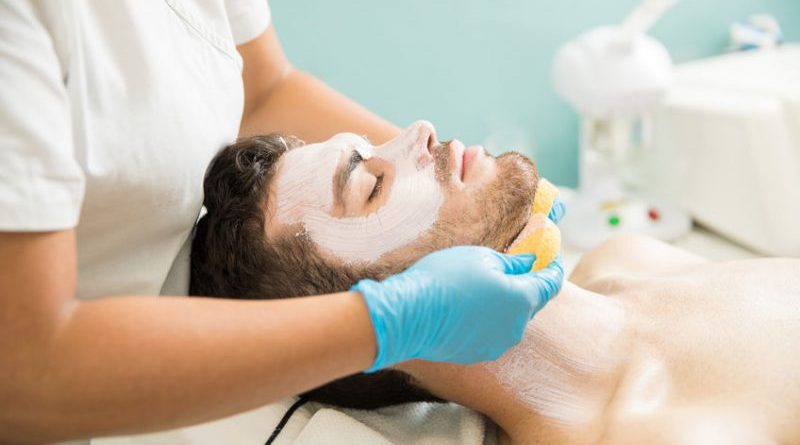
11 Mistakes You Are Making That Cause You to Look Older
We all know that aging is a part of life, but some of our daily habits might be making us look older than we actually are. As a certified strength and conditioning coach and sports nutritionist, I’ve spent my career helping people feel their best from the inside out. The good news is that you have a lot of control over the factors that influence your appearance.
By making a few key changes, you can put the brakes on premature aging and maintain a more youthful look. This guide breaks down 11 common mistakes that can add years to your appearance and gives you actionable, evidence-based steps to fix them.
Disclaimer: This article is for informational purposes only and is not meant to treat or diagnose any condition. It is recommended that you speak with your doctor before starting any exercise program, changing your daily nutrition, or adding any supplements to your regimen.
Table of contents
Key Takeaways
- Sun Protection is Non-Negotiable: Up to 90% of visible skin changes are caused by sun exposure. Daily use of broad-spectrum SPF 30+ sunscreen is the most effective way to prevent premature aging.
- Lifestyle Choices Matter: Habits like smoking, excessive alcohol consumption, poor diet, and a sedentary lifestyle significantly accelerate the aging process by damaging collagen and elastin.
- Prioritize Sleep and Stress Management: Chronic stress and lack of sleep lead to hormonal imbalances and inflammation that break down skin cells and speed up aging. Aim for 7-9 hours of quality sleep per night.
- Update Your Wardrobe and Hairstyle: Outdated clothing and hairstyles can instantly date you. Opt for well-fitting clothes in colors that complement your skin tone to create a more vibrant, modern look.
These 11 Mistakes Will Make You Look Older
Don’t make the 11 mistakes listed below if you don’t want to look older!
1. Only Wearing Dark Colors
While black is often seen as a slimming and sophisticated choice, wearing it exclusively, especially near your face, can create harsh shadows that highlight fine lines and wash you out. This effect can make you seem tired and older.
Instead of a full dark ensemble, try incorporating brighter, warmer colors. Color theory experts suggest that shades like soft pinks, corals, and ivory reflect light onto your skin, creating a softer and more youthful glow. A simple swap, like wearing a cream-colored shirt instead of a black one, can instantly brighten your complexion.
2. Wearing Baggy Clothing
Many people believe that loose or baggy clothing helps to hide areas they are self-conscious about. In reality, oversized garments often make you look larger and less defined, adding years to your appearance. Well-fitting clothes that skim your body’s silhouette are far more flattering.
You don’t need a personal tailor on speed dial. The key is to find clothes that fit your body type correctly. If you have an outfit you love that’s too loose, consider getting it tailored. Even a small adjustment can make a huge difference. For those who have worked hard on their physique, properly fitting clothes will highlight your efforts instead of hiding them under extra fabric.
3. Rocking Sweatpants
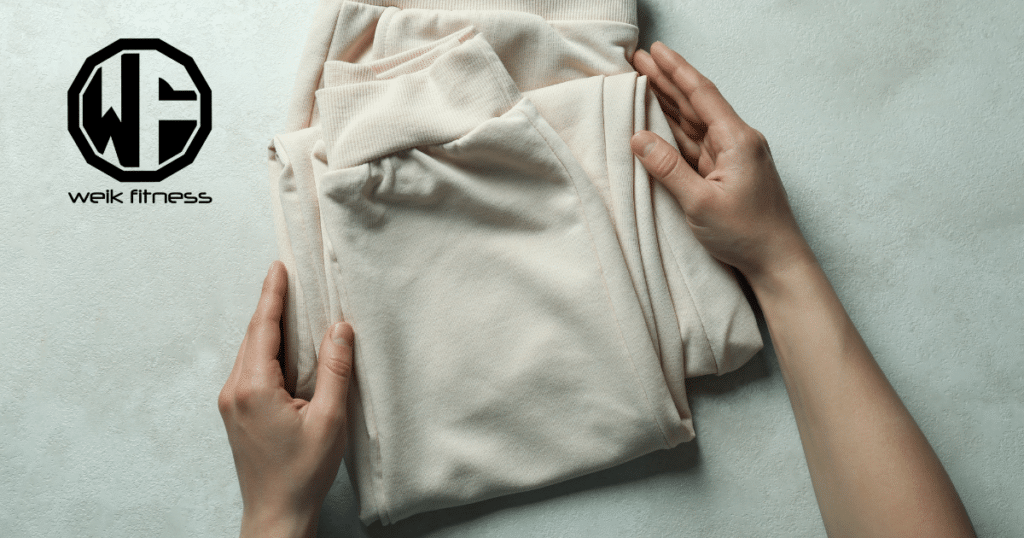
Traditional, bulky sweatpants can give off a dated and unkempt vibe. Today’s athleisure market offers stylish alternatives that are just as comfortable. Modern options like form-fitting joggers for men and versatile yoga pants for women allow you to stay comfortable while looking sharp.
Brands like Lululemon and Vuori have built entire collections around this concept, blending performance fabrics with modern cuts. For men, a good rule of thumb for joggers is to ensure you can pinch a small amount of fabric on your leg. This ensures the fit is slim but not tight, providing a clean and contemporary silhouette.
4. Excessive Tanning
While a tan might feel like a healthy glow, it’s actually a sign of skin damage. According to Cleveland Clinic, sun exposure is responsible for up to 90% of the visible changes to your skin, a process known as photoaging. This exposure to UV rays breaks down collagen and elastin, the fibers that keep skin firm, leading to wrinkles and sagging.
Tanning beds are particularly harmful, as they emit concentrated UV radiation that accelerates skin aging and significantly increases the risk of skin cancer. If you want a golden glow, opt for a sunless tanner. Products from brands like St. Tropez or Jergens offer a safe and realistic-looking tan without any of the damaging side effects.
5. Sticking with an Outdated Hair Style
A hairstyle that hasn’t changed in decades is a clear giveaway of your age. Styles from the ’70s, ’80s, or ’90s can look dated and add years to your appearance. It’s easy to fall into a routine, but a modern haircut can make a dramatic difference.
You don’t need a drastic change. Most stylists recommend refreshing your look at least once a decade to keep it current. Consider consulting a stylist about modern cuts that complement your face shape. Even small updates, like softening layers or adjusting the length, can provide a fresh and youthful update.
6. Having Poor Posture

Slouching, with rounded shoulders and a forward head position, is often associated with old age and frailty. Poor posture can make you appear shorter and older, and over time, it can lead to chronic pain. Standing tall with your shoulders back and chest open not only makes you look younger but also projects confidence.
Correcting posture involves strengthening key muscle groups. In my experience as a trainer, focusing on the back, core, and glutes yields the best results. Here are two effective exercises:
- Chin Tucks: While sitting or standing tall, gently draw your chin backward as if making a double chin. This strengthens the muscles in the front of your neck and stretches the back.
- High Plank: This exercise strengthens your entire core. Hold a push-up position, keeping your back straight and engaging your abdominal muscles. Aim to hold for 30-60 seconds.
7. Not Getting Enough Sleep
There’s a reason it’s called “beauty sleep.” During sleep, your body repairs itself, and this includes your skin. A lack of sleep disrupts this process, leading to dark circles, fine lines, and reduced skin elasticity. One study commissioned by Estée Lauder found that poor sleepers showed increased signs of skin aging and a weaker skin barrier.
Most adults need 7-9 hours of quality sleep per night. If you struggle with sleep, establishing a routine can help. Try to go to bed and wake up around the same time each day, and avoid screens for at least an hour before bed. The blue light from phones and tablets can interfere with your body’s production of melatonin, the hormone that regulates sleep.
8. Skipping Workouts
A sedentary lifestyle is one of the fastest ways to feel and look older. Without regular exercise, you lose muscle tone, your skin can become saggy, and your energy levels drop. The American Heart Association recommends at least 150 minutes of moderate-intensity aerobic activity each week.
Combining strength training and cardio offers the best anti-aging benefits. Strength training builds and preserves muscle mass, which supports your metabolism and bone density. Cardio, like jogging or cycling, improves circulation, delivering more oxygen and nutrients to your skin cells, which helps keep your skin vibrant. Research from Brigham Young University even found that people who exercised regularly had a “biological aging advantage” of nearly nine years based on the length of their telomeres, the protective caps on our chromosomes.

9. Not Protecting Your Skin
Sun protection isn’t just for summer days at the beach. Harmful UV rays are present year-round, even on cloudy days, and are a primary cause of premature aging. The American Academy of Dermatology recommends using a broad-spectrum sunscreen with an SPF of 30 or higher every single day.
A simple way to make this a habit is to use a daily moisturizer that contains SPF. Look for products with active ingredients like zinc oxide or titanium dioxide for physical protection. For added benefit, use a moisturizer with hyaluronic acid to help your skin retain moisture and appear plumper.
10. Not Properly Managing Stress
Chronic stress takes a significant toll on your body, right down to the cellular level. When you’re stressed, your body produces excess cortisol, a hormone that can break down collagen and elastin. A 2021 study published in Translational Psychiatry confirmed that cumulative stress was associated with accelerated aging.
Finding healthy ways to manage stress is crucial. Exercise is a powerful stress-reducer. Other effective techniques include mindfulness and meditation. Apps like Calm or Headspace offer guided meditations that can help lower stress levels. Even just a few minutes of deep breathing can help calm your nervous system and reduce cortisol production.
11. Not Properly Hydrating
Your body is composed of about 60% water, and your skin is no exception. When you’re dehydrated, your skin can become dry, dull, and lose its elasticity. This can make fine lines and wrinkles appear much more prominent. These “dehydration lines” are temporary and can be improved by restoring proper hydration.
Drinking enough water throughout the day is essential for keeping your skin plump and healthy. While individual needs vary, aiming for around 8 glasses (or 2 liters) is a good starting point. If you exercise regularly, you’ll need to drink even more to replenish fluids lost through sweat. Don’t wait until you’re thirsty to drink, as thirst is an early sign of dehydration.
FAQs About What Cause You to Look Older
What is the number one thing that makes you look older?
Sun exposure is overwhelmingly the biggest factor in premature skin aging. Research shows that UV radiation is responsible for up to 90% of the visible changes in skin, such as wrinkles, age spots, and loss of firmness. Daily sunscreen use is the most effective preventative measure.
Can you reverse the signs of aging?
While you can’t turn back time, you can significantly improve your skin’s appearance and slow down the aging process. Lifestyle changes like improving your diet, exercising, quitting smoking, and protecting your skin from the sun can make a big difference. Additionally, skincare ingredients like retinoids and vitamin C can help reduce the appearance of wrinkles and improve skin tone.
Does a poor diet make you look older?
Absolutely. Studies suggest that diets high in sugar and refined carbohydrates can accelerate aging by promoting inflammation and damaging collagen. A diet rich in fruits, vegetables, lean proteins, and healthy fats, like those found in the Mediterranean diet, provides the antioxidants and nutrients needed to protect your skin and support cellular repair.


*Disclosure: This article may contain affiliate links or ads, which means we earn a small commission at no extra cost to you if you make a purchase through these links. These commissions help support the operation and maintenance of our website, allowing us to continue producing free valuable content. Your support is genuinely appreciated, whether you choose to use our links or not. Thank you for being a part of our community and enjoying our content.
PLEASE CONSIDER SHARING THIS ON YOUR SOCIAL MEDIA TO HELP OTHERS LEARN MORE ABOUT THIS TOPIC.