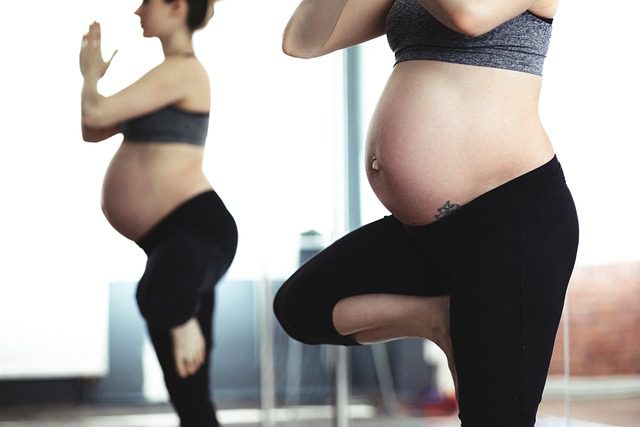
Workouts for Pregnant Women Rocking a Baby Bump
Navigating the physical and emotional journey of pregnancy can feel like a rollercoaster. You’re dealing with everything from backaches and swollen ankles to bloating and sleepless nights. But what if there was a way to smooth out some of those bumps through workouts for pregnant women?
As a certified strength and conditioning coach, I’ve seen firsthand how the right fitness routine can be a game-changer.
Staying active is one of the most effective ways to manage common pregnancy symptoms and support a healthy journey for both you and your baby. This guide provides safe, effective workouts for pregnant women, helping you feel strong and prepared every step of the way.
Disclaimer: This article is for informational purposes only and is not meant to treat or diagnose any condition. It is recommended that you speak with your doctor before starting any exercise program, changing your daily nutrition, or adding any supplements to your regimen.
Table of contents
Key Takeaways
- Aim for 150 minutes of moderate-intensity exercise per week, as recommended by the CDC and ACOG.
- Focus on low-impact activities like walking, swimming, and using an elliptical to protect your joints.
- Always listen to your body and be aware of warning signs that indicate you should stop exercising.
- Modify exercises like planks as your pregnancy progresses to avoid abdominal strain.
Exercises and Workouts for Pregnant Women
The goal of prenatal exercise is to maintain your health in a safe and effective way. Current guidelines from both the CDC and The American College of Obstetricians and Gynecologists (ACOG) suggest 150 minutes a week of moderate-intensity aerobic workouts.
This might sound like a lot, but you can easily break it down into 30-minute sessions five days a week.
Note: As always, it is recommended that you talk to your doctor before starting any exercise program or nutrition plan during your pregnancy to ensure it is safe to do so.
So, what are the best workouts for pregnant women to use while rocking their baby bump? Below are a few excellent options you can implement into your routine.
1. Brisk Walking
Brisk walking is one of the most accessible and effective workouts you can do. It’s a cardiovascular workout with minimal stress on your ankles and knees, which is crucial as the hormone relaxin makes your joints looser during pregnancy.
So what counts as “brisk?”
A simple way to measure your intensity is the “talk test.” You should be able to hold a conversation comfortably, but not have enough breath to sing a song. This ensures your heart rate is in a moderate, safe zone. Getting outside for a walk is also fantastic for your mental health. You don’t need any special equipment, but a good pair of supportive shoes from a brand like Brooks or Hoka can make a huge difference in comfort and stability. Choose smooth surfaces to avoid any stumbles.

2. Swimming
Swimming is often called the perfect pregnancy workout, and for good reason. The buoyancy of the water supports your weight, giving you a feeling of lightness and taking immense pressure off your back, hips, and swollen ankles. This can provide significant relief from sciatic pain.
The water’s support makes it a zero-impact exercise, protecting your joints completely. While some people worry about chlorine, the American Pregnancy Association states that swimming in a properly maintained chlorinated pool is safe. The benefits far outweigh any theoretical risks. Just be careful walking on slippery pool decks. For an extra posture boost, try the breaststroke, as it helps strengthen your back muscles.
3. Stair Climbers & Ellipticals
Stair climbers and ellipticals are fantastic gym-based options. You can easily control the speed, incline, and resistance to match your comfort level. An elliptical is particularly useful because it provides a smooth, zero-impact cardio session, which is a great alternative if walking has become uncomfortable.
Related Article: Workouts for Women — Everything You NEED to Know!
The stair climber can be more challenging, especially in the later trimesters, and may not be suitable if you have knee or ankle pain. The key is to listen to your body. If an exercise doesn’t feel right, pivot to something that does.
4. Plie
The plie, a classic ballet move, is a fantastic addition to workouts for pregnant women because it strengthens your glutes, hamstrings, and quadriceps. Strong legs are essential for supporting your growing belly and preparing for labor. A full video on proper form is available if you click here.
- Stand parallel to the back of a sturdy chair, resting your inside hand on it for support. Position your feet parallel and hip-width apart.
- Turn your toes and knees out to about a 45-degree angle. Engage your core by pulling your belly button in and up.
- Bend your knees and lower your torso, keeping your back perfectly straight.
- Engage your glutes and legs to push back up to the starting position. Repeat for a full set.
This exercise also improves your balance, which is incredibly helpful as your center of gravity shifts. As a pro-tip, avoid going too deep into the squat in your third trimester to prevent straining your pelvic joints.
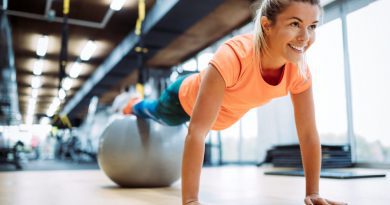
5. Plank
A strong core is vital for preventing pregnancy-related back pain. However, the traditional plank needs modification during pregnancy to be safe. Performing a standard plank can put too much pressure on the abdomen, potentially leading to a condition called diastasis recti (abdominal separation).
Here’s how to modify it safely:
- Incline Plank: Place your hands on a sturdy chair or wall instead of the floor. Get on your hands and knees (a yoga mat can add comfort). Keep your wrists directly under your shoulders.
- Straighten Legs: Extend your legs behind you to form a straight line from your head to your heels.
- Engage Core: Tighten your core to keep your back flat. Do not let your belly sag or your back arch. If you see any “coning” or bulging in your abdomen, stop immediately.
Hold the position for as long as you can maintain proper form, even if it’s just for a few deep breaths. Consistency is key to building strength.
Benefits and Risks of Workouts for Pregnant Women
Understanding the full picture is key to feeling confident in your prenatal fitness routine. The advantages are significant, but it’s equally important to know the safety boundaries.
The Data-Backed Benefits
Regular exercise during pregnancy does more than just help you feel good. Research shows it provides measurable health benefits for both mother and baby. A 2017 meta-analysis found that exercise can reduce the risk of gestational diabetes by nearly 30%. It also lowers the chances of having a C-section and delivering a large baby.
- Improves circulation and reduces swelling
- Eases back pain and constipation
- Promotes better sleep
- Boosts mood and relieves stress
- Helps with a faster postpartum recovery
Warning Signs: When to Stop Exercising
While exercise is safe for most pregnancies, certain conditions like placenta previa or severe anemia can make it risky. More importantly, every pregnant woman should know the warning signs to stop exercising immediately and contact her doctor. According to ACOG, these include:
- Vaginal bleeding
- Dizziness or feeling faint
- Chest pain
- Headache
- Muscle weakness
- Calf pain or swelling
- Regular, painful contractions of the uterus
Safety Exercise Tips and Workouts for Pregnant Women
When you are making time for exercise during pregnancy, your approach needs to shift. Your body is changing, and your workouts should adapt to support those changes safely.
A crucial rule is to avoid exercising in the supine position (flat on your back) after the first trimester. This position can cause the weight of your uterus to press on the vena cava, a major vein that carries blood to your heart, potentially reducing blood flow to you and the baby. Also, avoid standing still for long periods.
Related Article: 10 Foods That Help Increase Libido in Men and Women
Avoid any exercise with a high risk of falling or abdominal trauma. This means activities like contact sports, downhill skiing, and horseback riding are off-limits for now.
Here are some more essential safety tips to keep in mind for workouts for pregnant women:
- Stay Hydrated: Drink plenty of water before, during, and after your workout. Aim for 8-12 glasses daily, plus extra around your exercise time.
- Don’t Overheat: Avoid exercising in hot, humid conditions, especially during the first trimester. This includes avoiding hot yoga or hot tubs.
- Wear Supportive Clothing: A good sports bra and a supportive belly band can make a world of difference in your comfort.
- Get Doctor’s Clearance: If you are new to exercise or have any health conditions, it is vital to get clearance from your doctor before starting.
FAQs About Workouts for Pregnant Women
What exercises should I completely avoid during pregnancy?
You should avoid any activities with a high risk of falling or abdominal injury. This includes contact sports like soccer or basketball, activities like skiing and horseback riding, and high-impact exercises that involve a lot of jumping. It’s also best to avoid hot yoga due to the risk of overheating.
Can I do ab exercises like crunches?
It’s best to avoid traditional crunches and sit-ups, especially after the first trimester. These can worsen abdominal separation (diastasis recti). Instead, focus on core-safe exercises like modified planks, pelvic tilts, and bird-dog poses.
How soon can I exercise after giving birth?
Your postpartum recovery timeline is unique to you. If you had an uncomplicated vaginal delivery, you might be able to start gentle exercise, like walking, within a few days. For C-sections or more complicated births, you’ll need to wait longer. Always get clearance from your doctor, which usually happens at your six-week postpartum checkup.


*Disclosure: This article may contain affiliate links or ads, which means we earn a small commission at no extra cost to you if you make a purchase through these links. These commissions help support the operation and maintenance of our website, allowing us to continue producing free valuable content. Your support is genuinely appreciated, whether you choose to use our links or not. Thank you for being a part of our community and enjoying our content.
PLEASE CONSIDER SHARING THIS ON YOUR SOCIAL MEDIA TO HELP OTHERS LEARN MORE ABOUT THIS TOPIC.