

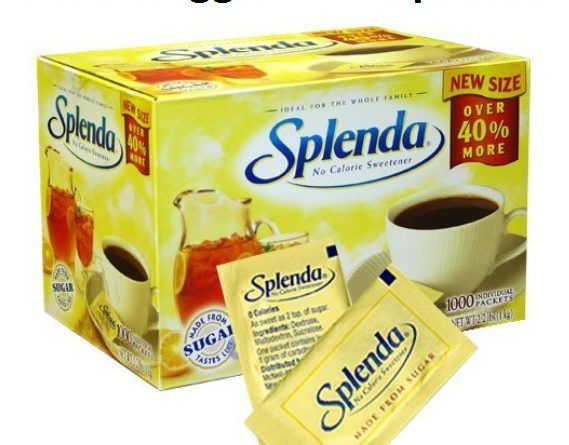
The Struggle Over Splenda: Is It Good or Is It Bad?
That daily quest for the perfect cup of coffee often comes with a question. How can you get the sweetness you love without the downsides of sugar? Many reach for Splenda.
When Splenda arrived on the scene, it felt like the ultimate answer. People could finally cut calories and avoid other artificial sweeteners like aspartame. It seemed perfect.
Then, alarming headlines started to appear, linking Splenda to serious health risks. This guide will cut through the noise, look at the actual science, and give you the clear answers you need about Splenda and your health.
Disclaimer: This article is for informational purposes only and is not meant to treat or diagnose any condition. It is recommended that you speak with your doctor before starting any exercise program, changing your daily nutrition, or adding any supplements to your regimen.
Table of contents
Key Takeaways
- Splenda is the brand name for sucralose, a zero-calorie sweetener derived from sugar that is about 600 times sweeter.
- Major health organizations, including the FDA and the World Health Organization, consider sucralose safe for consumption within the Acceptable Daily Intake (ADI).
- The infamous study linking Splenda to cancer in mice has been widely criticized for using extremely high doses not applicable to human consumption.
- Emerging research is exploring sucralose’s potential effects on gut health, but more studies are needed to draw firm conclusions for humans.
What is Splenda?
Splenda is the popular brand name for sucralose, a zero-calorie artificial sweetener. It was first discovered by scientists at the British company Tate & Lyle in 1976.
The creation process is unique. It starts with real sugar, but then it undergoes a chemical process where three specific hydrogen-oxygen groups on the sugar molecule are replaced with chlorine atoms. This small change makes it around 600 times sweeter than regular table sugar and allows it to pass through your body without being broken down for energy.
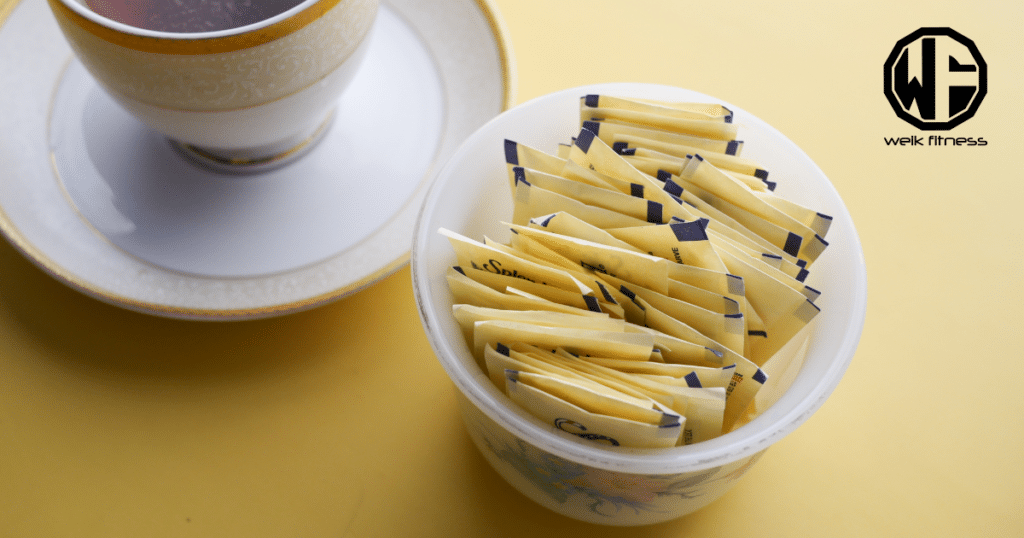
It’s a common point of confusion, but the Splenda you buy in yellow packets is not pure sucralose. It also contains bulking agents like dextrose and maltodextrin to give it more volume. This is why a packet technically has a very small number of calories (less than 1 gram of carbohydrates), while pure sucralose has none.
What is the Purpose of Splenda?
From my experience as a sports nutritionist, people turn to Splenda for a few key reasons, all focused on getting that sweet taste without the nutritional drawbacks of sugar.
Here’s a quick breakdown of its main benefits.
- Weight Management: Since it’s virtually calorie-free, Splenda is a popular tool for people trying to lower their daily calorie intake without giving up sweetened foods and drinks.
- Diabetes Control: Sucralose does not raise blood sugar or insulin levels. This makes it a useful sugar substitute for people with diabetes, a position supported by organizations like the American Diabetes Association for managing carbohydrate consumption.
- Better Dental Health: Unlike sugar, bacteria in your mouth can’t feed on sucralose. This means it doesn’t contribute to the acid production that causes tooth decay.
- Cooking and Baking Versatility: Splenda is heat-stable up to about 450°F (232°C). This makes it a reliable substitute for sugar in many baking and cooking recipes, unlike other sweeteners such as aspartame (found in Equal), which loses its sweetness when heated.
| Nutrient | Splenda (1 packet) | Sugar (1 tsp) |
|---|---|---|
| Calories | ~3.36 | 16 |
| Carbohydrates | ~0.9g | 4g |
| Glycemic Index | 0 | 65 |
The Science Behind Splenda: Is It Safe?
The biggest controversy surrounding Splenda comes from a study conducted by the Ramazzini Institute in Italy, which suggested a link between sucralose and cancer in mice. When this news broke, the media created a frenzy of concern.
However, major regulatory bodies around the world, including the U.S. Food and Drug Administration (FDA) and the European Food Safety Authority (EFSA), reviewed the study and found serious issues with its methodology. The National Cancer Institute has also stated that there is no clear evidence that artificial sweeteners cause cancer in humans.
A key criticism was the dosage. The mice in the study were given the equivalent of a human drinking hundreds, or even thousands, of cans of diet soda every single day for a lifetime. This is far beyond what any person would realistically consume.
The FDA’s official stance has not changed, and Splenda is still considered safe. They have set an Acceptable Daily Intake (ADI) at 5 milligrams per kilogram of body weight. For a 150-pound (68kg) person, that equals about 23 packets of Splenda per day, every day, without adverse effects.
What About Newer Health Concerns?
The conversation around Splenda has shifted in recent years to focus on gut health. Some studies suggest that sucralose may alter the balance of good bacteria in the gut microbiome. A 2022 study from North Carolina State University also raised questions about a substance called sucralose-6-acetate, which can be found in small amounts in commercial sucralose and may have the potential to damage DNA.
It is important to view these findings with perspective. Much of this research is still new and often conducted in lab settings or on animals. More research is needed to understand what these effects mean for human health in the long term.
So, what’s the bottom line? Based on decades of evidence and the consensus of major health organizations, Splenda is considered a safe sugar alternative when used in moderation.

FAQs About Splenda
Does Splenda impact your gut health?
This is an active area of research. Some studies in animals and test tubes have shown that sucralose can change the composition of gut bacteria. However, it’s not yet clear if these changes have significant, long-term health effects in humans consuming normal amounts. If you have a sensitive digestive system, you might pay attention to how you feel when using it.
Is Splenda better than other artificial sweeteners?
“Better” often depends on your personal preference and needs. Splenda’s main advantage over aspartame (Equal) is its heat stability for cooking. Compared to natural zero-calorie sweeteners like stevia or monk fruit, some people prefer Splenda because it lacks the slightly bitter aftertaste that stevia can have. All are considered safe by the FDA.
How much Splenda is safe to use daily?
The FDA’s Acceptable Daily Intake is 5 mg per kg of body weight. For a 150-pound person, this is about 23 packets a day. It’s highly unlikely that anyone would consume this much through normal use, as most people only use a few packets per day in their diet.


*Disclosure: This article may contain affiliate links or ads, which means we earn a small commission at no extra cost to you if you make a purchase through these links. These commissions help support the operation and maintenance of our website, allowing us to continue producing free valuable content. Your support is genuinely appreciated, whether you choose to use our links or not. Thank you for being a part of our community and enjoying our content.
PLEASE CONSIDER SHARING THIS ON YOUR SOCIAL MEDIA TO HELP OTHERS LEARN MORE ABOUT THIS TOPIC.