
THE CBD OIL CRASH COURSE: Everything You Need to Know
You’ve probably seen it everywhere, from health food stores to online shops, and it’s a hot topic of conversation. I’m talking about CBD, or cannabidiol. As a certified sports nutritionist and fitness coach, I’ve watched CBD oil go from a controversial subject to a mainstream wellness tool.
The global market for CBD is exploding, with some reports projecting it to reach over $47 billion by 2035. This incredible growth is fueled by people seeking natural support for issues like pain, stress, and poor sleep.
But what’s the real story behind CBD oil? Is it right for you? In my years of experience, I’ve found that understanding the fundamentals is the key to making an informed decision. Before you try any new supplement, you need to know what it is, how it works, and what the research says. This guide will give you the straight answers to the most common questions I hear from clients.
Disclaimer: This article is for informational purposes only and is not meant to treat or diagnose any condition. It is recommended that you speak with your doctor before starting any exercise program, changing your daily nutrition, or adding any supplements to your regimen.
Table of contents
Key Takeaways
- CBD (cannabidiol) is a non-psychoactive compound from the cannabis plant that does not cause a “high.”
- The 2018 Farm Bill federally legalized hemp-derived CBD products containing less than 0.3% THC, but state laws can vary.
- CBD is considered non-addictive, a finding supported by the World Health Organization.
- Full-spectrum CBD contains trace amounts of THC and could potentially trigger a positive drug test, while Broad-Spectrum and Isolate products are THC-free.
- The type of CBD you choose (Isolate, Broad-Spectrum, or Full-Spectrum) depends on your personal goals and whether you need to avoid THC entirely.
What is CBD Oil?
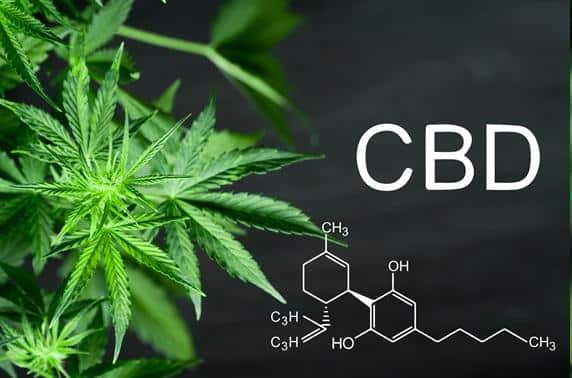
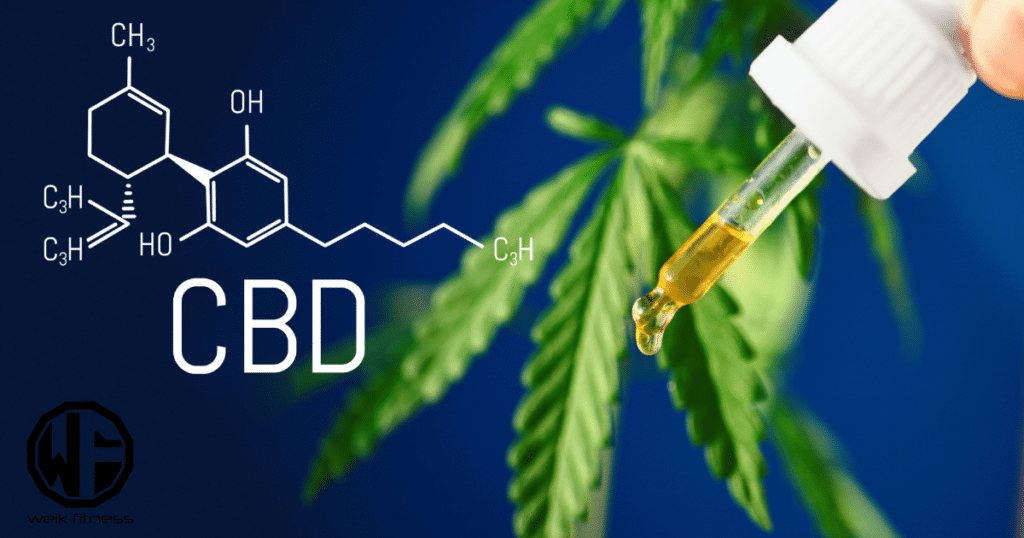
CBD, short for cannabidiol, is a naturally occurring compound found in the cannabis sativa plant. It’s one of over 100 compounds known as cannabinoids. CBD oil is made by extracting this compound and diluting it with a carrier oil, like coconut or hemp seed oil.
Unlike the most famous cannabinoid, THC (tetrahydrocannabinol), CBD is not psychoactive. This is a crucial distinction. It interacts with the body’s Endocannabinoid System (ECS), a complex network that helps regulate functions like sleep, mood, appetite, and immune response, without producing a “high.”
Related Article: Cannadips CBD Pouches — A Dip That Packs Actual Benefits
Most of the CBD oil you see on the market is derived from hemp, a specific variety of the cannabis sativa plant. Legally, hemp must contain less than 0.3% THC. Marijuana, on the other hand, contains much higher levels of THC and produces significantly less CBD. We’ll explore this difference more later on.
The bottom line is that CBD oil is a supplement designed to work with your body’s natural systems to promote balance. Just remember to check your state’s specific laws, as they can sometimes add restrictions to the federal guidelines.
Does CBD Oil Get You High?
No, properly sourced CBD oil will not get you high. The euphoric feeling associated with cannabis comes from THC, the plant’s primary psychoactive component.
To be legally sold at the federal level, CBD products must be derived from hemp and contain no more than 0.3% THC. This trace amount is far too low to produce any intoxicating effects. For comparison, marijuana typically contains THC levels ranging from 5% to over 30%.
CBD can promote a sense of calm or relaxation for some users, but this is a therapeutic effect on the body’s systems, not a psychoactive high that alters your perception or judgment.
Is CBD Oil Legal?
Yes, at the federal level, CBD oil is legal in the United States. This legality was established by the Agriculture Improvement Act of 2018, more commonly known as the 2018 Farm Bill. This landmark legislation removed hemp from the definition of marijuana under the Controlled Substances Act.
The law created a clear distinction between two types of cannabis plants.
- Hemp: Cannabis containing 0.3% or less of THC. Products derived from this plant are federally legal.
- Marijuana: Cannabis containing more than 0.3% THC. This remains a controlled substance at the federal level.
However, it’s not quite that simple. While the 2018 Farm Bill made hemp-derived products federally legal, it also preserved the authority of the Food and Drug Administration (FDA) to regulate them. The FDA has approved one CBD-based drug, Epidiolex, for treating certain seizure disorders. It also means states can impose their own restrictions, so you should always check the laws in your specific location before purchasing or traveling with CBD products.
Does CBD Oil Show Up on a Drug Test?
This is a major concern for many people, especially athletes and professionals. The short answer is that CBD itself is not what drug tests are looking for. Standard drug screenings are designed to detect THC, not cannabidiol.
The risk comes from the type of CBD product you use. Full-spectrum CBD oil contains all the compounds from the hemp plant, including trace amounts of THC (up to the 0.3% legal limit). While this small amount won’t get you high, consistent use could cause THC to accumulate in your system and potentially lead to a positive drug test. A 2021 study in JAMA Psychiatry confirmed that using full-spectrum products can result in a positive test for THC.
Related Article: The Negative Effects of Weed on Health and How to Counter Them

For any athlete or individual subject to drug testing, my professional advice is to be extremely cautious. To be safe, opt for products labeled as “Broad-Spectrum” or “CBD Isolate,” as these have had the THC removed. Always buy from a reputable brand that provides third-party lab results to verify their products are THC-free.
Is CBD Addictive?
No, CBD is not considered addictive. Unlike THC, which can create dependence by directly activating the brain’s reward pathways, CBD does not have these properties.
A comprehensive 2017 report from the World Health Organization (WHO) concluded, “In humans, CBD exhibits no effects indicative of any abuse or dependence potential.” The report also stated there is “no evidence of public health related problems associated with the use of pure CBD.”
The reason for this difference lies in how each compound interacts with the body’s cannabinoid receptors, specifically the CB1 and CB2 receptors. THC binds directly to these receptors, causing the “high” and creating the potential for dependence. CBD, on the other hand, has a more indirect influence on the endocannabinoid system and does not create a tolerance or dependency.
Hemp vs Cannabis
Understanding the difference between hemp and marijuana is key to understanding CBD. Although they are both varieties of the cannabis sativa plant, they have very different chemical profiles and uses.
Think of them as cousins in the same plant family. Their main distinction comes down to the concentration of one cannabinoid: THC.
| Feature | Hemp | Marijuana |
|---|---|---|
| THC Content | Less than 0.3% | 5% to 30% or more |
| CBD Content | High | Low |
| Federal Legality | Legal (2018 Farm Bill) | Illegal (Controlled Substance) |
| Primary Use | CBD oil, textiles, food | Recreational and medicinal |
The takeaway is simple. The CBD products you find in most stores come from hemp, not marijuana. Hemp is cultivated for its high CBD and low THC content, making it ideal for creating legal wellness products without psychoactive effects.
Isolate vs Full Spectrum Products
When you shop for CBD oil, you’ll encounter three main types: Full-Spectrum, Broad-Spectrum, and Isolate. Choosing the right one depends on your personal goals and needs.
Understanding Your Options
From my experience as a sports nutritionist, picking the right supplement form is just as important as the supplement itself. Here’s a breakdown to help you decide.
- CBD Isolate: This is the purest form of CBD. All other plant compounds, including cannabinoids, terpenes, and THC, have been removed. This is the best choice for anyone who must avoid THC completely due to drug testing or sensitivity.
- Broad-Spectrum CBD: This is the middle ground. It contains CBD plus other beneficial cannabinoids and terpenes from the hemp plant, but the THC has been removed. You get many of the plant’s benefits without the THC risk.
- Full-Spectrum CBD: This type contains all the cannabinoids, terpenes, and flavonoids from the hemp plant, including up to 0.3% THC. Many users prefer this because of a theory known as the “entourage effect.”
The “entourage effect” is the idea that all the compounds in the cannabis plant work together synergistically, creating a greater effect than any single compound alone. This theory, first proposed by researcher Dr. Raphael Mechoulam in the 1990s, suggests that the full spectrum of compounds provides the most holistic benefit. If you are not subject to drug testing, full-spectrum is often recommended to maximize potential benefits.
FAQs About CBD Oil
What is the best way to take CBD oil?
CBD comes in many forms. Tinctures (oils) are taken under the tongue for fast absorption. Edibles like gummies offer a pre-measured dose and are easy to take. Topicals such as creams and lotions are applied directly to the skin for localized relief. The best method depends on your reason for using it.
How much CBD should I take?
There is no one-size-fits-all dosage. Factors like body weight, metabolism, and the condition you are addressing all play a role. The most common advice I give my clients is to “start low and go slow.” Begin with a small dose (e.g., 5-10 mg) and gradually increase it every few days until you find the amount that works for you.
Are there any side effects?
CBD is generally well-tolerated. However, some people may experience mild side effects, including dry mouth, drowsiness, or changes in appetite. These effects are often related to dosage and can usually be managed by reducing the amount you take. It’s also important to note that CBD can interact with certain medications, so always consult your doctor before starting.
Can I travel with CBD oil?
According to the Transportation Security Administration (TSA), you can fly with hemp-derived CBD products that contain no more than 0.3% THC. However, because laws can differ by state and country, it is a good idea to check the regulations at your destination before you travel.

*Disclosure: This article may contain affiliate links or ads, which means we earn a small commission at no extra cost to you if you make a purchase through these links. These commissions help support the operation and maintenance of our website, allowing us to continue producing free valuable content. Your support is genuinely appreciated, whether you choose to use our links or not. Thank you for being a part of our community and enjoying our content.
PLEASE CONSIDER SHARING THIS ON YOUR SOCIAL MEDIA TO HELP OTHERS LEARN MORE ABOUT THIS TOPIC.