
Supplement Scandals in the Industry
If you follow the supplement industry, you know it’s rarely quiet. It seems there are always new supplement scandals emerging. Some are laughable, but many are serious issues every consumer should know about.
In my career as a sports nutritionist and personal trainer, I’ve seen how greed has crept into a market that was originally designed to help people achieve their health and fitness goals. This has led to a major trust problem. Many people have stopped buying supplements not because of cost, but because of a lack of transparency and the fact that many products simply do not meet label claims.
This guide will pull back the curtain on the most common issues in the industry and give you the tools to become a smarter, more informed consumer.
Disclaimer: This article is for informational purposes only and is not meant to treat or diagnose any condition. It is recommended that you speak with your doctor before starting any exercise program, changing your daily nutrition, or adding any supplements to your regimen.
Table of contents
Key Takeaways
- Label Inaccuracy is Widespread: Many supplement scandals stem from products not containing the ingredients or amounts advertised. A 2023 study in JAMA Network Open found that 89% of 57 tested sports supplements were inaccurately labeled.
- Contaminants Are a Real Risk: Dangerous substances like heavy metals and even prescription drugs have been found in supplements. For example, a 2025 Consumer Reports investigation found high levels of lead in several popular protein powders.
- “Amino Spiking” Inflates Protein Claims: A common scam involves adding cheap, non-protein amino acids like glycine and taurine to powders to fool standard protein tests, meaning you get less muscle-building protein than you paid for.
- Third-Party Testing is Your Best Defense: Since the FDA doesn’t approve supplements for safety before they are sold, look for seals from independent certifiers like NSF, USP, or Informed-Sport to verify a product’s contents and purity.
Protein Supplement Scandals and Claims Are Out of Whack
You work hard for your money, and you expect to get what you pay for. When you buy a supplement, you’re trusting the company behind it. But marketing materials and social media only show you the picture a brand wants you to see, which isn’t always the reality. You could be buying from dishonest companies and not even know it, falling victim to supplement scandals or MLM scams.
Recent history is filled with examples of brands that have failed laboratory testing for their protein claims. This isn’t a small problem. A troubling study published in JAMA Network Open in 2023 revealed that 40% of the 57 sports supplements tested didn’t even have detectable amounts of certain ingredients listed on their labels. Worse, 12% contained at least one substance prohibited by the FDA.
One of the most deceptive practices is known as “amino spiking.”
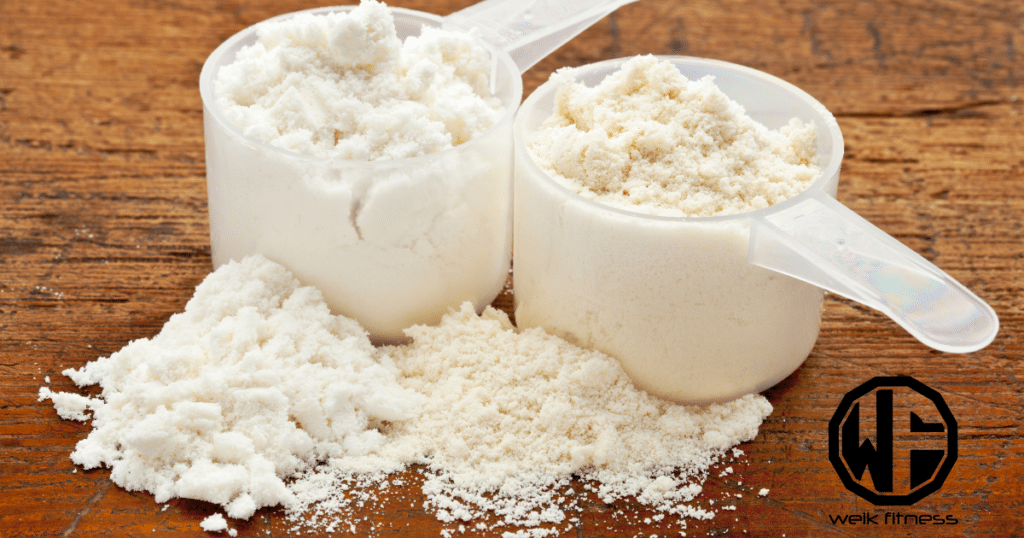
This is where companies add cheap, free-form amino acids like glycine, taurine, or creatine into their protein powder. Standard protein tests work by measuring nitrogen content, and since all amino acids contain nitrogen, these fillers artificially inflate the “protein per serving” number on the label. The result is you think you are getting 25 grams of high-quality whey protein, but a significant portion of that is just low-grade filler that does little to support muscle growth.
It’s a vicious circle of deception designed to boost profit margins. These types of supplement scandals have led to lawsuits and given the entire industry a black eye, forcing honest companies to fight even harder to earn your trust.
A Barking Dog Draws Attention

Sometimes, the truth about supplement scandals comes from insiders who are brave enough to speak out. These whistleblowers often risk their careers to protect consumers. While the original article mentioned an anonymous trainer, there are many public examples that show how serious this issue is.
A landmark case involved USPlabs, the company behind the once-popular pre-workout Jack3d and fat burner OxyElite Pro. In 2013, dozens of people in Hawaii suffered severe liver injuries after using OxyElite Pro, drawing federal attention. An investigation revealed the company was using a synthetic stimulant made in a Chinese factory while claiming it was a natural plant extract. In 2019, the company’s CEO and president pleaded guilty to conspiracy, admitting they used false labeling to avoid regulatory scrutiny.
This situation escalated because the company ignored internal warnings and put profits ahead of safety. The public only learned the truth after people were seriously harmed, highlighting the importance of both whistleblowers and regulatory oversight. When a brand’s owners are confronted with a label issue, their response tells you everything about their character. An unprofessional video rant or personal attacks on an athlete or scientist are massive red flags.
It shows you the real man behind the brand, and it’s often not the image of health and success they project. A true business leader addresses problems head-on with transparency, not by attacking the person who exposed the problem.

When a company’s reputation is damaged, it takes an enormous amount of time and money to rebuild consumer trust. But for the people who were harmed, the consequences can last a lifetime.
What Does All of This Come Down To with Supplement Scandals?

So, where did the industry go wrong? The line between helping people and simply making money has become blurred. Supplement scandals involving tainted products, false labels, and low-quality ingredients are far too common.
Not all brands are bad, but the sheer volume of dishonest players makes it hard for consumers to feel safe. The key is to remember that supplements are just that, supplements. No pill or powder can replace a solid foundation of nutrition and training.
Instead of falling for marketing hype, you need to do your homework. Here’s what I tell my clients to do to protect themselves:
- Look for Third-Party Certifications: The FDA does not test supplements before they are sold. Your best protection is a seal from an independent third-party organization. Look for logos from NSF Certified for Sport, U.S. Pharmacopeia (USP), or Informed-Sport on the label. These groups test products to verify that what’s on the label is actually in the bottle and that the product is free of contaminants.
- Check for FDA Warning Letters: The FDA maintains a public database of warning letters sent to companies for violations, such as making illegal disease claims or selling adulterated products. A quick search for a brand name can be very revealing.
- Be Skeptical of “Proprietary Blends”: While not always a scam, proprietary blends are often used to hide the fact that a product contains only trace amounts of expensive, effective ingredients while being mostly composed of cheap fillers.
- Read Independent Reviews: Look for reviews on sites that are not affiliated with the brand. An October 2025 investigation by Consumer Reports, for example, exposed several protein powders for containing high levels of lead, information you wouldn’t find on the company website.
A truly great product will earn its reputation through word-of-mouth in the gym, not through flashy ads. Be careful, stay educated, and don’t fall into the trap laid by supplement scandals.
FAQs About Supplement Scandals
How common are inaccurate supplement labels?
They are extremely common. A 2024 study in JAMA Network Open found that 83% of 30 weight-loss supplements tested had inaccurate labels. Research consistently shows a high percentage of products either don’t contain the ingredients claimed or include unlisted and sometimes prohibited substances.
Does the FDA approve supplements before they are sold?
No. Under the Dietary Supplement Health and Education Act of 1994 (DSHEA), manufacturers are responsible for ensuring their products are safe, but they do not need FDA approval before they go to market. The FDA’s role is primarily reactive, taking action only after a product is found to be unsafe or mislabeled.
What are the most common supplement scams?
The most frequent scams include “amino spiking” in protein powders to fake high protein content, including illegal or undeclared stimulants in fat burners, and heavy metal contamination. A May 2025 recall, for instance, involved several male enhancement supplements sold on Amazon that contained undeclared prescription drug ingredients.
How can I verify if a supplement is high quality?
The most reliable method is to choose products that have been certified by a reputable third-party testing organization. Look for seals on the packaging from groups like NSF International, USP, or Informed Choice. These certifications verify that the product contains what the label says and is free from a wide range of contaminants and banned substances.

*Disclosure: This article may contain affiliate links or ads, which means we earn a small commission at no extra cost to you if you make a purchase through these links. These commissions help support the operation and maintenance of our website, allowing us to continue producing free valuable content. Your support is genuinely appreciated, whether you choose to use our links or not. Thank you for being a part of our community and enjoying our content.
PLEASE CONSIDER SHARING THIS ON YOUR SOCIAL MEDIA TO HELP OTHERS LEARN MORE ABOUT THIS TOPIC.