

Common Supplement May Help Those Suffering from PTSD
First, I want to express my deepest gratitude to all who have served to protect our freedoms and especially those who are suffering from PTSD or who have lost their lives. As a certified strength and conditioning coach who has worked with members of the military, I know those freedoms come with immense costs and sacrifices. I appreciate everything you have done for our country.
An issue that hits close to home for many service members is the tragic rate of veteran suicide. You may have seen the #22PushupChallenge, which raised awareness for the 22 veterans who were estimated to die by suicide daily. While that number was a catalyst for conversation, the most recent 2025 report from the Department of Veterans Affairs (VA) shows an average of 17.5 veteran suicides per day in 2023. Any number above zero is a tragedy, and it underscores the urgent need to support the mental health of these brave individuals when they return to their families.
Many veterans who come home suffer from post-traumatic stress disorder, or PTSD. For years, the condition was misunderstood, but extensive research has confirmed it is a very real and debilitating disorder. The good news is that new research offers hope, suggesting a common supplement may help reduce some of the most challenging PTSD symptoms.
This guide will explore what PTSD is, the most effective treatments available, and the promising science behind how omega-3 fatty acids might provide relief.
Disclaimer: This article is for informational purposes only and is not meant to treat or diagnose any condition. It is recommended that you speak with your doctor before starting any exercise program, changing your daily nutrition, or adding any supplements to your regimen.
Table of contents
Key Takeaways
- Post-Traumatic Stress Disorder (PTSD) is a serious mental health condition that can develop after experiencing a traumatic event. It affects about 7% of veterans and 6% of the general U.S. population over their lifetime.
- Effective, evidence-based treatments for PTSD are available. Therapies like Cognitive Behavioral Therapy (CBT) and Eye Movement Desensitization and Reprocessing (EMDR) are highly recommended, alongside FDA-approved medications like Zoloft and Paxil.
- Emerging research suggests that omega-3 fatty acids, a common dietary supplement, may help reduce some physiological symptoms of PTSD, such as an elevated heart rate, by improving the function of the vagus nerve.
- Supplements like omega-3s should be considered a complementary approach, not a replacement for professional medical treatment. Always consult a healthcare provider before starting any new supplement regimen.
What is PTSD?
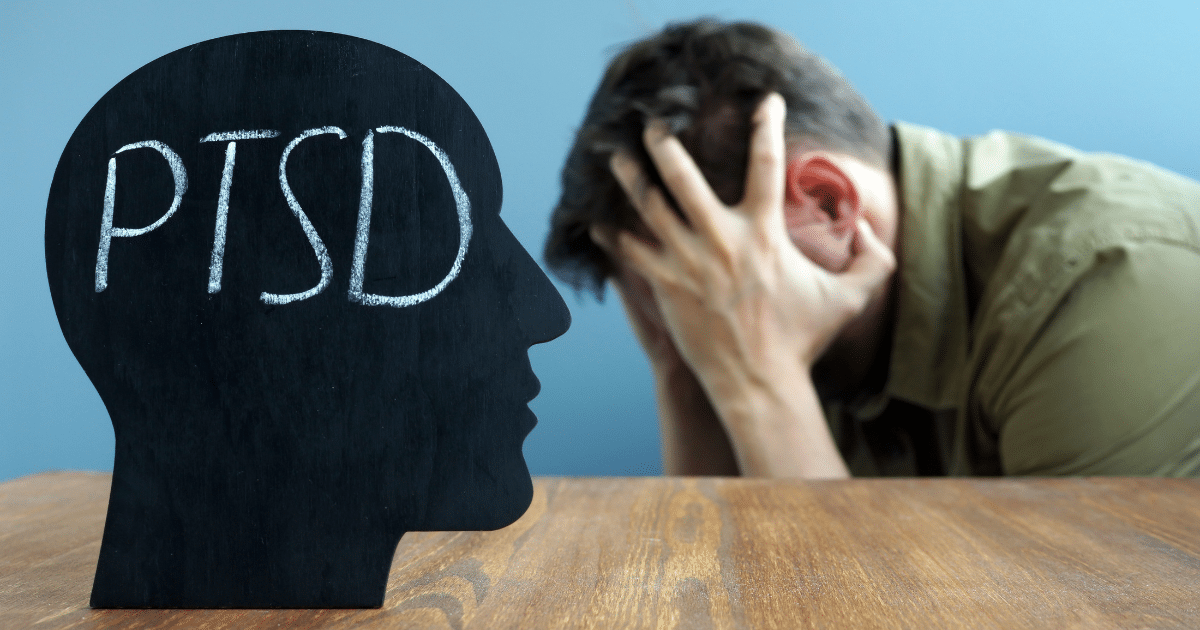
PTSD is short for Post-Traumatic Stress Disorder. It is a mental health condition that some individuals develop after experiencing or witnessing a shocking, scary, or dangerous event.
It’s natural to feel afraid during and after a traumatic situation. This fear triggers the “fight-or-flight” response, a biological reaction that helps us defend against or avoid danger. With PTSD, however, this feeling of being in danger continues even when the person is safe. According to the U.S. Department of Veterans Affairs, about 7 out of every 100 veterans will experience PTSD at some point in their lives, a rate slightly higher than the 6% seen in the general population.
Clinicians use the Diagnostic and Statistical Manual of Mental Disorders (DSM-5) to diagnose the condition, which groups symptoms into four main categories.
- Intrusive Thoughts: This includes flashbacks, nightmares, or recurring memories of the event that feel vivid and distressing, as if the trauma is happening again.
- Avoidance: A person may actively avoid people, places, or situations that remind them of the traumatic event. This can also include avoiding thoughts or feelings connected to the trauma.
- Negative Changes in Mood and Cognition: This can manifest as persistent negative emotions like anger or guilt, distorted beliefs about oneself, or difficulty remembering key aspects of the event.
- Hyperarousal and Reactivity: Symptoms include feeling tense or on edge, being easily startled, having angry outbursts, or difficulty sleeping. This is the body’s “fight-or-flight” system remaining on high alert.
Not everyone who lives through trauma develops PTSD. For those who do, proven treatments like psychotherapy and medication can make a significant difference. If you or someone you know is struggling, seeking professional help is a critical first step toward recovery.
What Are the Symptoms of PTSD?
The symptoms of Post-Traumatic Stress Disorder can significantly interfere with a person’s daily life, but they can vary widely from person to person. For a diagnosis, these symptoms must typically last for more than a month.
Here’s a more detailed breakdown of the four symptom clusters.
- Intrusive Thoughts and Memories:
- Recurrent, distressing memories of the traumatic event
- Flashbacks, which feel like you are reliving the trauma
- Nightmares related to the traumatic experience
- Intense emotional distress or physical reactions to reminders of the event
- Avoidance:
- Efforts to avoid thoughts, feelings, or conversations associated with the trauma
- Avoiding people, places, or activities that act as reminders of the experience
- Negative Changes in Mood and Cognition:
- Persistent negative beliefs about oneself or the world (e.g., “I am bad,” or “The world is completely dangerous”)
- Distorted thoughts about the cause or consequences of the event
- Ongoing negative emotions such as fear, anger, guilt, or shame
- Difficulty experiencing positive emotions like happiness or love
- Memory problems, including difficulty recalling important parts of the trauma
- Arousal and Reactivity:
- Irritability or uncharacteristic outbursts of anger
- Reckless or self-destructive behavior, like substance abuse or dangerous driving
- Hypervigilance, which is a constant state of alertness for danger
- An exaggerated startle response
- Problems with concentration and sleep

It’s important to know that symptoms can appear shortly after the traumatic event or be delayed, sometimes emerging months or even years later. This is known as delayed-onset PTSD.
How Can You Control PTSD?
Managing PTSD effectively requires a personalized approach guided by a mental health professional. The most successful treatment plans often combine therapy, medication, and supportive self-care strategies. If you are a veteran or family member in crisis, you can call the Veterans Crisis Line by dialing 988 and then pressing 1.
Here are some of the most common and effective approaches for controlling PTSD.
Evidence-Based Psychotherapies
Therapy is the cornerstone of PTSD treatment. Several specific types are highly recommended.
- Cognitive Behavioral Therapy (CBT): This therapy helps you identify and change negative thought patterns related to the trauma. Studies show that trauma-focused CBT is highly effective, with some research indicating that 61% to 82% of participants no longer meet the criteria for PTSD after treatment.
- Eye Movement Desensitization and Reprocessing (EMDR): EMDR is a specialized therapy that uses guided eye movements or other bilateral stimulation to help you process and reframe traumatic memories. Multiple meta-analyses have found it to be more effective than other interventions, including some forms of CBT, at reducing PTSD symptoms.
- Exposure Therapy: This involves gradually and safely exposing you to the thoughts, feelings, and situations you have been avoiding. This process helps reduce the fear and anxiety associated with them over time.
Medications and Support Systems
Medication can be a valuable tool for managing symptoms, especially when used alongside therapy.
| Approach | Examples | How It Helps |
|---|---|---|
| FDA-Approved Medications | Sertraline (Zoloft) and Paroxetine (Paxil) are two SSRIs specifically approved for PTSD. | Helps regulate mood, reduce anxiety, and manage intrusive thoughts by increasing serotonin levels in the brain. |
| Support Organizations | The Wounded Warrior Project and the Cohen Veterans Network provide free or low-cost mental health services for veterans. | Offers a sense of community, understanding, and access to specialized care from professionals who understand military culture. |
| Self-Care Strategies | Mindfulness apps like Headspace, regular exercise, and a balanced diet rich in anti-inflammatory foods. | These strategies help manage stress, improve sleep, and regulate the nervous system, which supports overall recovery. |
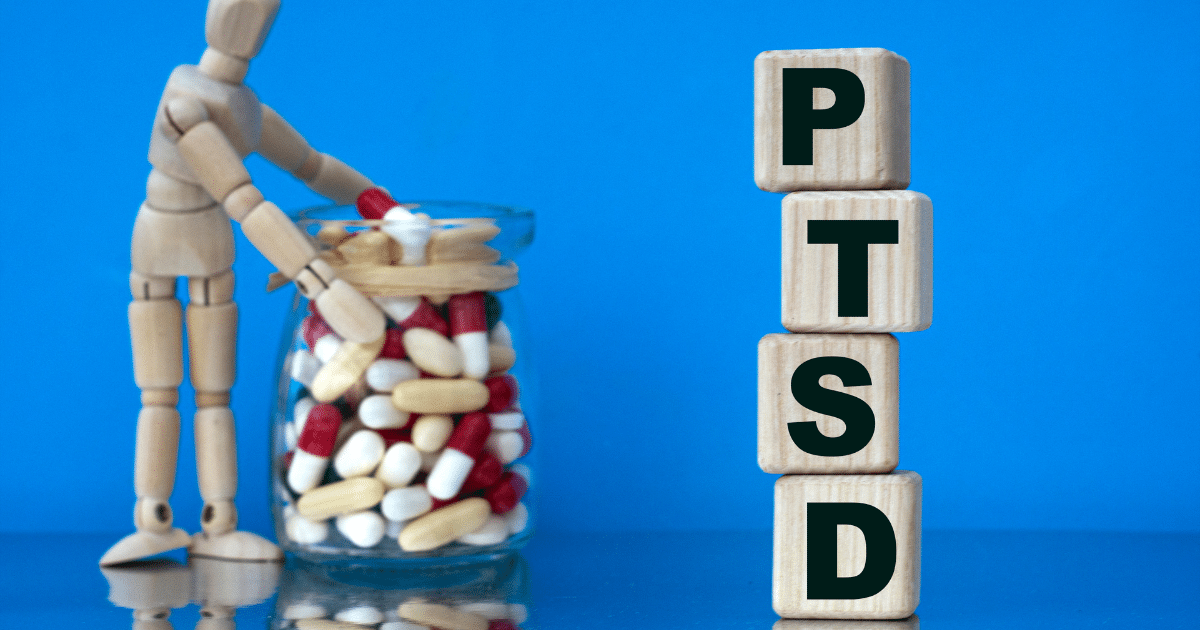
A Current Study on Post-Traumatic Stress Disorder
A fascinating area of research for PTSD involves using omega-3 supplements to manage its symptoms. One of the common physiological signs of PTSD is a rapid heart rate, as the body remains in a state of high alert. A study from Japan explored how omega-3s might help.
The researchers noted that omega-3 polyunsaturated fatty acids (PUFAs) are known to help reduce heart rate. This action could have direct benefits for those at high risk for PTSD. They pointed out two key reasons for this.
First, a fast heart rate is a risk factor for cardiovascular disease (CVD), and PTSD itself is also a risk factor for CVD. Second, omega-3s are effective for other psychiatric conditions, like depression, that often occur alongside PTSD.
From my perspective as a sports nutritionist, this connection makes perfect sense. We know that omega-3s, particularly EPA (eicosapentaenoic acid) and DHA (docosahexaenoic acid), play a critical role in reducing inflammation and supporting brain health. It’s logical that these benefits would extend to the neurological and cardiovascular systems impacted by trauma.
Past Research Findings on Post-Traumatic Stress Disorder
The latest research builds on over a decade of military interest in omega-3 fatty acids. As far back as a 2010 study, the U.S. Army was exploring omega-3s to boost performance and potentially reduce the effects of PTSD. That same year, another medical group investigated how these fatty acids could aid in the recovery from brain injuries for both soldiers and civilians.
Researchers in 2010 noted that the benefits were multi-faceted and could be significant in a combat environment. They emphasized the need to establish baseline omega-3 levels in soldiers to determine the right dosage for supplementation.
This early work led to more formal studies. In 2011, the Army conducted research in Iraq, believing omega-3s could improve mental health and resilience to stress. By November 2014, the military was considering a full-scale implementation of omega-3 supplementation for all soldiers. This initiative, sometimes called “nutritional armor,” aimed to speed recovery, enhance mood, improve reaction times, and lower suicide rates.
Current PTSD Study Findings
The 2016 study published in the Journal of Affective Disorders provides some of the clearest evidence to date. Japanese researchers conducted a randomized, placebo-controlled trial with 83 accident survivors. Over 12 weeks, one group received a daily omega-3 supplement containing 1,470 mg of DHA and 147 mg of EPA, while the other group received a placebo.
The findings were exactly as hypothesized.
While both groups started with similar elevated heart rates, only the group taking the omega-3 supplement showed a significant reduction by the end of the 12 weeks. The placebo group saw no change.
The researchers concluded that this effect was likely due to an increase in vagal activity. The vagus nerve is a key part of the body’s relaxation response, and omega-3s appear to strengthen its ability to calm the heart and counteract the “fight-or-flight” state. This is consistent with other findings that people with PTSD often have decreased vagal activity.
From a supplement expert’s point of view, this is promising. It suggests that omega-3s don’t just mask symptoms but may help restore a fundamental biological system for managing stress. It’s a powerful idea that proper nutrition could provide our troops with an internal defense against the physiological wounds of trauma.
Given all the completed research, we can only hope this provides some relief for those suffering from PTSD. If omega-3s can help our troops both on the battlefield and when they return home, it seems like a straightforward and beneficial tool to add to their health and wellness protocol.
FAQs About PTSD
What is the recommended dose of omega-3 for PTSD?
There is no official recommended dose of omega-3s specifically for PTSD. However, the study mentioned used a dose of 1,470mg of DHA and 147mg of EPA daily. Many general mental wellness studies suggest a combined dose of 1,000-2,000 mg of EPA and DHA per day. It is essential to talk to your doctor to determine a safe and appropriate dose for you.
Are there other supplements that can help with PTSD symptoms?
Yes, research is ongoing for several other supplements. One of the most promising is N-acetylcysteine (NAC), an antioxidant. A pilot study in veterans with both PTSD and substance use disorder found that NAC, combined with therapy, reduced PTSD symptoms by 46% and cravings by 81%. As with any supplement, you should consult a healthcare professional before use.
Can I get enough omega-3s from food?
You can significantly increase your omega-3 intake through diet. The best sources of EPA and DHA are oily fish. The American Heart Association recommends eating two 3-ounce servings of fatty fish per week. Excellent choices include:
- Salmon
- Mackerel
- Sardines
- Herring
Plant-based sources like flaxseeds, chia seeds, and walnuts are rich in ALA, another type of omega-3, but the body’s conversion of ALA to EPA and DHA is not very efficient.
Are there any side effects to taking omega-3 supplements?
Omega-3 supplements are generally safe for most people. The most common side effects are mild and can include a fishy aftertaste, bad breath, heartburn, or nausea. Taking them with food can help reduce these issues. At very high doses, they can have blood-thinning effects, so it is crucial to speak with your doctor, especially if you take blood-thinning medications or have a scheduled surgery.
Sources:
Journal of Affective Disorders
Published online ahead of print, doi: 10.1016/j.jad.2016.05.054
“Effects of omega-3 polyunsaturated fatty acids on psychophysiological symtoms of post-traumatic stress disorder in accident survivors: A randomized, double-blind, placebo-controlled trial”
Authors: K. Matsumura, et al.
The American Journal of Emergency Medicine
Published online ahead of print, doi: 10.1016/jajem.2012.05.014
“Therapeutic use of omega-3 fatty acids in severe head trauma”
Authors: M. Lewis, P. Ghassemi, J. Hibbeln

*Disclosure: This article may contain affiliate links or ads, which means we earn a small commission at no extra cost to you if you make a purchase through these links. These commissions help support the operation and maintenance of our website, allowing us to continue producing free valuable content. Your support is genuinely appreciated, whether you choose to use our links or not. Thank you for being a part of our community and enjoying our content.
PLEASE CONSIDER SHARING THIS ON YOUR SOCIAL MEDIA TO HELP OTHERS LEARN MORE ABOUT THIS TOPIC.