

Should Kids Take Omega-3 Supplements?
Omega-3 supplements are something that I recommend all my athletes and clients take. But the question often arises with parents on whether or not they should give their kids omega-3 supplements just like they do a children’s multivitamin.
As a parent, you always want what’s best for your child’s health. You navigate the daily challenge of encouraging healthy foods over the tempting allure of junk food. It’s a tough job.
This is precisely why understanding key nutrients is so critical.
In my experience as a certified sports nutritionist, I’ve seen many parents focus on standard multivitamins while overlooking one of the most powerful building blocks for a child’s development: omega-3 fatty acids. These healthy fats are essential for everything from brain function to overall growth, and many kids simply don’t get enough from their diet alone.
This guide will show you exactly why omega-3s are so important, what the science says about them, and how you can make sure your child is getting the right amount to thrive. We will even discuss some of The 7 Best Foods Rich in Omega-3 That Can Improve Health.
Disclaimer: This article is for informational purposes only and is not meant to treat or diagnose any condition. It is recommended that you speak with your child’s pediatrician before including any supplements into their daily regimen.
Table of contents
Key Takeaways
- Omega-3 fatty acids, particularly DHA and EPA, are essential for a child’s brain development, eye health, and reducing inflammation.
- Many children do not get enough omega-3s from food, making high-quality omega-3 supplements a valuable tool for parents.
- Research suggests omega-3s may help improve symptoms of asthma, enhance cognitive functions like memory, and promote more restful sleep.
- When choosing a supplement, look for third-party testing seals like NSF International and choose flavored gummies or liquids to improve taste for picky eaters.

What Are Omega-3 Fatty Acids?
Omega-3s are a type of polyunsaturated fat that our bodies need but cannot produce on their own. This is why they are called “essential” fatty acids, you must get them from your diet.
There are three main types you should know about:
- ALA (alpha-linolenic acid): This is the most common omega-3 and is found in plant sources like flaxseeds, walnuts, and chia seeds. Your body can convert a small amount of ALA into EPA and DHA, but this process is very inefficient. Some studies suggest the conversion rate can be as low as 1% to 9%.
- EPA (eicosapentaenoic acid): Found mainly in fatty fish, EPA is known for its anti-inflammatory properties. It helps reduce inflammation throughout the body.
- DHA (docosahexaenoic acid): This is a critical component of the brain and the retina of the eye. In fact, DHA makes up about 97% of the omega-3 fats in the brain. It’s vital for brain development and function, especially in children.
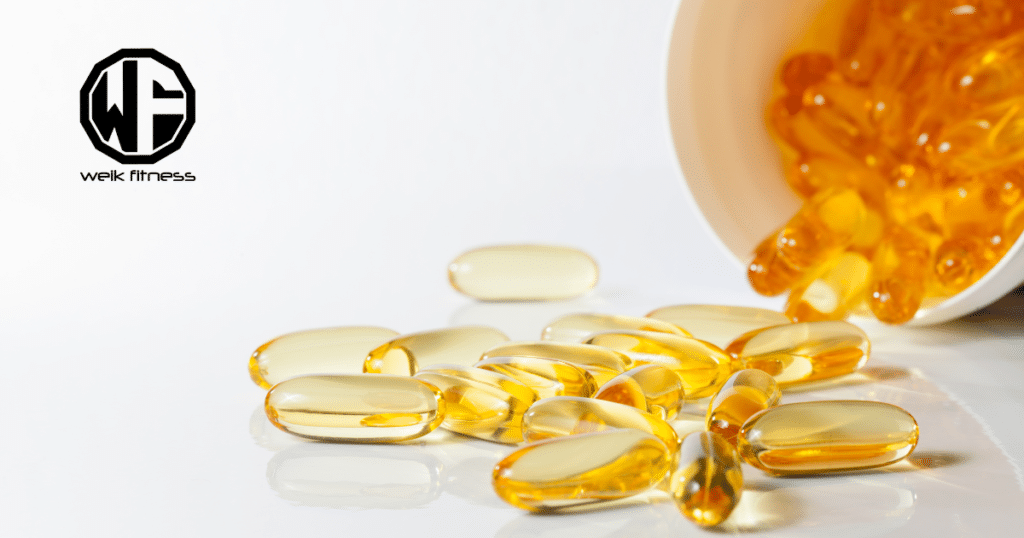
If your child is a picky eater and won’t touch salmon or tuna, you can find high-quality omega-3 supplements. The most common forms are fish oil, algae oil (a great vegan source of DHA), and krill oil.
You can also check out this great resource that discusses if plant-based omega-3s are the future of healthy fats.
The Health Benefits of Omega-3 Supplements for Kids
So, should kids take omega-3 supplements? The evidence points to some powerful benefits that support their growth and development.
1. Relieve the symptoms of asthma
Asthma is a chronic inflammatory condition that affects millions of children. Its symptoms often include chest pain, coughing, and difficulty breathing.
Omega-3 fatty acids, particularly EPA, are known to fight inflammation. A 2021 review published in the journal Nutrients confirmed that omega-3 supplementation could be a beneficial complementary therapy for asthmatic children by helping reduce airway inflammation. One older study found that taking a fish oil capsule daily helped reduce asthma symptoms. Another study showed that a higher dietary intake of omega-3s helped protect against the effects of indoor air pollution on asthma.
2. Improve brain health
DHA is a literal building block for a child’s brain. Research consistently shows that adequate levels of omega-3s can improve mood, focus, and overall brain function in children.

For example, some studies have explored the link between omega-3s and ADHD. A 2022 meta-analysis suggested that omega-3 supplementation can have a small but significant effect on improving clinical symptoms and cognitive performance in children and adolescents with ADHD. A 6-month study found that kids who ate an omega-3 rich diet showed better verbal learning and memory.
Another study showed that these supplements helped reduce aggressive and antisocial behaviors. This is why many studies suggest omega-3s may play a role in preventing mood disorders in children.
3. Promote better sleep
Proper sleep is essential for a child’s growth, but sleep disorders are surprisingly common, affecting up to 4% of children under 18.
Omega-3s may help. Low levels of DHA have been linked to lower levels of melatonin, the hormone that helps us fall asleep. A study showed that supplementing with 600 mg of DHA for 16 weeks helped children get nearly an extra hour of sleep per night with fewer interruptions.
Additionally, consuming sufficient omega-3s during pregnancy can help establish better sleep patterns in kids after they are born.

Recommended Dose of Omega-3 Supplements for Kids
Dosage recommendations vary by age and gender. The National Institutes of Health provides specific daily intake guidelines for ALA, but not for EPA and DHA. However, many experts suggest a combined daily dose for children.
Here is the recommended daily adequate intake of ALA for children:
- 0-12 months: 0.5 g
- 1-3 years: 0.7 g
- 4-8 years: 0.9 g
- 9-13 years: 1.2 g (boys) and 1.0 g (girls)
- 14-18 years: 1.6 g (boys) and 1.1 g (girls)
For EPA and DHA, studies suggest that a combined daily dose of 120-1,300 mg is effective and safe for children. A good starting point is often around 250-500 mg of combined EPA and DHA per day.
From my experience as a nutritionist, here are some kid-friendly supplements that are popular with parents:
- Nordic Naturals Children’s DHA: Often recommended for its high purity standards and great taste.
- Omega 3 Gummies for Kids & Toddlers with Omega 6 & 9: Gummies are an easy way to get kids to take their supplements.
- Nature Made Kids First Multivitamin with Omega-3: A combination product for parents looking for an all-in-one solution.
- Barlean’s Omega Pals Chirpin’ Slurpin’ Omega 3 for Kids: Known for its smoothie-like texture and fun flavors.
Are there Any Side Effects of Omega-3 Supplements for Kids?
Thankfully, the side effects of omega-3 supplements are usually very mild. The most common ones include bad breath, heartburn, nausea, or an upset stomach. The infamous “fishy burp” is a well-known, harmless side effect.
Here are a few pro-tips to help minimize any potential issues:
- Start Low and Go Slow: Begin with a smaller dose and gradually increase it. This gives your child’s body time to adjust.
- Take with Food: Giving the supplement with a meal can significantly reduce the chances of digestive upset.
- Chill It: Storing liquid fish oil in the refrigerator can sometimes reduce the fishy aftertaste.
- Choose Flavored Options: Many kids’ supplements come in fruit flavors like lemon or orange that effectively mask the taste of the fish oil.
As always, stick to the recommended dosage on the product label and consult your pediatrician if you have any concerns. You can read more about some of the 4 physique benefits of omega-3s in another one of our informative articles.
FAQs About Omega-3 Supplements
How do I choose a good omega-3 supplement for my child?
Look for products that have been third-party tested for purity and potency. Seals from organizations like NSF International or the International Fish Oil Standards (IFOS) Program indicate the product is free from harmful contaminants like heavy metals. Also, check the label for the amounts of EPA and DHA, not just the total fish oil content.
Can my child get enough omega-3s from food alone?
It’s possible, but it can be difficult, especially for picky eaters. A child would need to eat fatty fish like salmon or mackerel at least twice a week to get an adequate amount. If that’s not realistic for your family, a supplement is a reliable way to fill the nutritional gap.
What is the best time of day to give my child an omega-3 supplement?
There is no single “best” time. The most important thing is consistency. Many parents find it easiest to incorporate it into a morning or evening routine, always giving it with a meal to aid absorption and prevent any potential stomach upset.


*Disclosure: This article may contain affiliate links or ads, which means we earn a small commission at no extra cost to you if you make a purchase through these links. These commissions help support the operation and maintenance of our website, allowing us to continue producing free valuable content. Your support is genuinely appreciated, whether you choose to use our links or not. Thank you for being a part of our community and enjoying our content.
PLEASE CONSIDER SHARING THIS ON YOUR SOCIAL MEDIA TO HELP OTHERS LEARN MORE ABOUT THIS TOPIC.