

Conflicting Benefits of Coconut Oil Use
Health and wellness trends often come and go, and it looks like the hype around coconut oil is fading. For years, many health benefits were associated with coconut oil use, but new research is challenging those claims.
So, what does the science actually say?
In my career as a certified sports nutritionist, I’ve seen countless products get praised as superfoods, and coconut oil was one of the biggest. This guide will cut through the noise, look at the real evidence, and give you a clear answer on its role in a healthy diet.
Disclaimer: This article is for informational purposes only and is not meant to treat or diagnose any condition. It is recommended that you speak with your doctor before starting any exercise program, changing your daily nutrition, or adding any supplements to your regimen.
Table of contents
Key Takeaways
- Coconut oil is extremely high in saturated fat, containing around 12 grams per tablespoon, which is nearly the daily limit recommended by the American Heart Association (AHA).
- While coconut oil does raise HDL (“good”) cholesterol, a large 2020 meta-analysis in the journal *Circulation* confirmed it also significantly raises LDL (“bad”) cholesterol, which increases heart disease risk.
- Weight loss studies often use 100% MCT oil, not commercial coconut oil. The type of MCT in coconut oil, lauric acid, does not behave the same way in the body.
- For heart health, unsaturated fats found in olive oil, avocado oil, and nuts are proven to be much better choices for everyday cooking and consumption.

What is Coconut Oil?
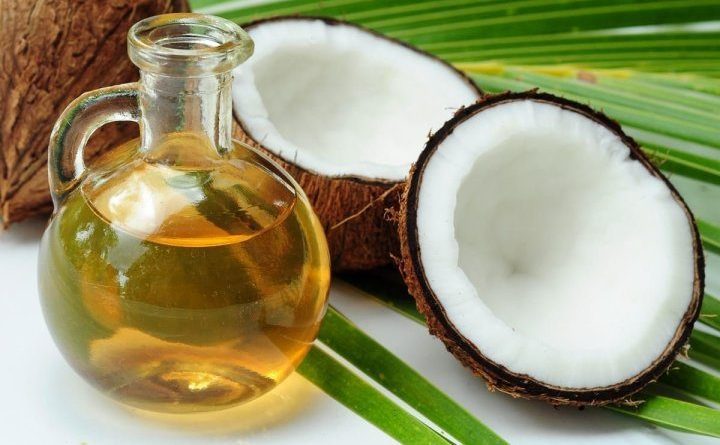
Coconut oil is an edible oil that is extracted from the meat of mature coconuts. It has gained popularity for various uses, from cooking and baking to cosmetics and even for supposed medicinal properties. But to understand the debate, we need to look at what it’s made of.
Composition
- High in Saturated Fat: Coconut oil is composed of about 80 to 90% saturated fat. A single tablespoon contains around 12 grams of saturated fat. For context, the American Heart Association (AHA) recommends a limit of about 13 grams per day for someone on a 2,000-calorie diet.
- Medium-Chain Triglycerides (MCTs): A key point of confusion is its MCT content. While it does contain MCTs like lauric acid (about 50%), caprylic acid, and capric acid, lauric acid behaves more like a long-chain fatty acid in the body. This means it doesn’t provide the same quick energy benefits found in pure MCT oil supplements.
Various Types
- Virgin Coconut Oil (VCO): This type is extracted from fresh coconut meat without high heat or chemicals. It preserves more nutrients and has a distinct coconut flavor and a lower smoke point of around 350°F, making it better for baking or sautéing at low temperatures.
- Refined Coconut Oil: Processed from dried coconut meat (copra), this oil is often bleached and deodorized. This gives it a neutral flavor and a higher smoke point of 400-450°F, which makes it suitable for frying.
- Fractionated Coconut Oil: In this form, the long-chain fatty acids are removed, leaving mostly MCTs. It stays liquid at room temperature and is primarily used in cosmetics or as a carrier oil, not for cooking.
With thousands of solid reviews, this extra-virgin coconut oil is one of the most popular options on the market today if you choose to use it.
What WERE the Benefits of Coconut Oil Previously?
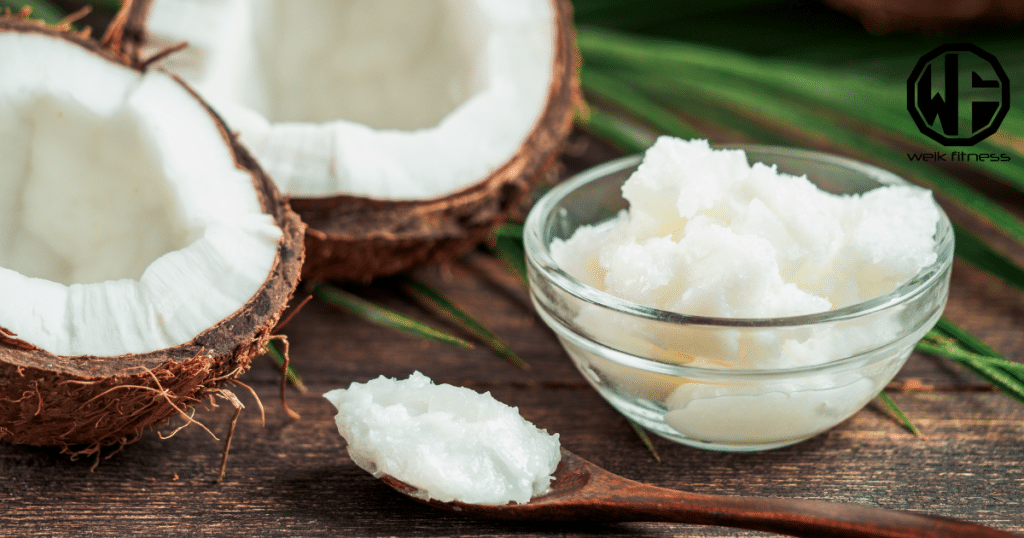
The “health halo” around coconut oil was built on several appealing claims. Many of these stemmed from research on medium-chain triglycerides, not on coconut oil itself. The popular theories included:
- Fat burning and weight loss
- Improved cholesterol levels
- Reduced abdominal fat
- Prevention of heart disease and high blood pressure
- Boosted immune system function
While these benefits sound great, major health organizations have since reviewed the evidence and reached very different conclusions.
Conflicting Information
The core conflict comes down to its high saturated fat content. Back in 2017, the American Heart Association (AHA) released a presidential advisory that urged the public to replace saturated fats, including coconut oil, with unsaturated fats to prevent heart disease.
The AHA stated, “Because coconut oil increases LDL cholesterol, a cause of CVD [cardiovascular disease], and has no known offsetting favorable effects, we advise against the use of coconut oil.”
Saturated fat is known to raise low-density lipoprotein (LDL) cholesterol, often called “bad” cholesterol. High LDL levels lead to plaque buildup in the arteries, which directly increases your risk for heart disease. While some proponents argue that coconut oil also raises HDL (“good”) cholesterol, major studies show this doesn’t cancel out the harm from increased LDL.
Related Article: Coconut Oil SEO Injections?
Will Coconut Oil Help Me Lose Weight?
This is one of the biggest myths I have to debunk. The idea that coconut oil helps with weight loss comes from studies on pure MCT oil, which can slightly increase metabolism. However, the lauric acid in coconut oil doesn’t have the same thermogenic effect.
More importantly, coconut oil is very calorie-dense. A single tablespoon contains around 120 calories.
If you add coconut oil to your diet without reducing calories elsewhere, you will gain weight. A 2015 meta-analysis published in the *Journal of the Academy of Nutrition and Dietetics* found that while MCTs could lead to modest weight loss, there is no reliable evidence that substituting coconut oil for other fats will produce the same result.
But the Sample Study Said It’s Beneficial?
Early enthusiasm for coconut oil was often based on observational studies of populations that ate a lot of coconuts, like the Kitavans and Tokelauans. These groups had low rates of heart disease.
However, these populations consumed coconut in the form of whole coconut flesh or cream as part of a traditional diet rich in fiber, fruit, and fish. This is vastly different from adding processed, refined coconut oil to a typical Western diet. Their overall lifestyle and dietary patterns provided the health benefits, not the isolated oil itself.
No Heart Health Benefits Associated with Coconut Oil
The most definitive evidence came from a 2020 meta-analysis published in the medical journal *Circulation*. Researchers reviewed 16 high-quality clinical trials and reached a clear conclusion.
They found that compared to non-tropical vegetable oils, coconut oil consumption significantly raised LDL cholesterol by an average of 9%. It also raised HDL cholesterol, but experts agree this effect does not negate the damage caused by higher LDL. The report concluded there is no scientific basis to support claims that coconut oil is a heart-healthy choice.
The bottom line from current research is simple: coconut oil’s high saturated fat content makes it a poor choice for your primary cooking fat if heart health is a priority. For better health outcomes, focus on unsaturated fats like those in olive oil, avocados, and nuts.
FAQs About Coconut Oil
1. Is coconut oil good for cooking?
Refined coconut oil has a high smoke point (400-450°F), making it suitable for high-heat cooking. However, due to its saturated fat content, oils like avocado oil (520°F) or even light olive oil are healthier choices for high-heat applications. For flavor and low-heat cooking, extra virgin olive oil remains a superior choice for heart health.
2. What about using coconut oil on skin or hair?
Topical use is a different story. Coconut oil is an excellent moisturizer (emollient) for skin and can help condition hair. The American Academy of Dermatology recognizes its potential benefits for soothing dry skin. These external benefits do not translate to internal health when you eat it.
3. Should I avoid coconut oil completely?
You don’t have to avoid it entirely. If you enjoy the flavor, using a small amount of virgin coconut oil occasionally in a curry or for baking is perfectly fine as part of an otherwise balanced diet. The key is moderation. It should be treated as a specialty fat, like butter, not as a daily health staple.


*Disclosure: This article may contain affiliate links or ads, which means we earn a small commission at no extra cost to you if you make a purchase through these links. These commissions help support the operation and maintenance of our website, allowing us to continue producing free valuable content. Your support is genuinely appreciated, whether you choose to use our links or not. Thank you for being a part of our community and enjoying our content.
PLEASE CONSIDER SHARING THIS ON YOUR SOCIAL MEDIA TO HELP OTHERS LEARN MORE ABOUT THIS TOPIC.