


Sleep and Weight Loss: How to Hit Your Goals Faster!
If you’re trying to hit your health goals, nailing your nutrition and workouts is only part of the puzzle. There’s another critical piece: sleep. As a certified strength and conditioning coach and sports nutritionist, I’ve seen firsthand how overlooking rest can sabotage even the best fitness plans. The link between sleep and weight loss is undeniable, and getting at least seven hours of quality rest each night is non-negotiable for muscle repair, hormone balance, and overall success.
You can’t “catch up” on lost sleep over the weekend. Your body thrives on consistency. Getting enough rest is what allows your body to regulate the key hormones that control everything from hunger to how you store fat.
Disclaimer: This article is for informational purposes only and is not meant to treat or diagnose any condition. It is recommended that you speak with your doctor before starting any exercise program, changing your daily nutrition, or adding any supplements to your regimen.
Table of contents
Key Takeaways
- Poor sleep is scientifically linked to increased calorie consumption, with studies showing people may eat an average of 270-385 extra calories per day when sleep-deprived.
- Lack of sleep disrupts the hormones ghrelin (which increases appetite) and leptin (which signals fullness), making you feel hungrier and less satisfied.
- Chronic stress and poor sleep elevate cortisol, a hormone that can signal your body to store more belly fat and break down muscle tissue.
- To improve sleep for fat loss, create a cool (60-67°F), dark, and quiet environment, and disconnect from electronic devices at least 30-60 minutes before bed.
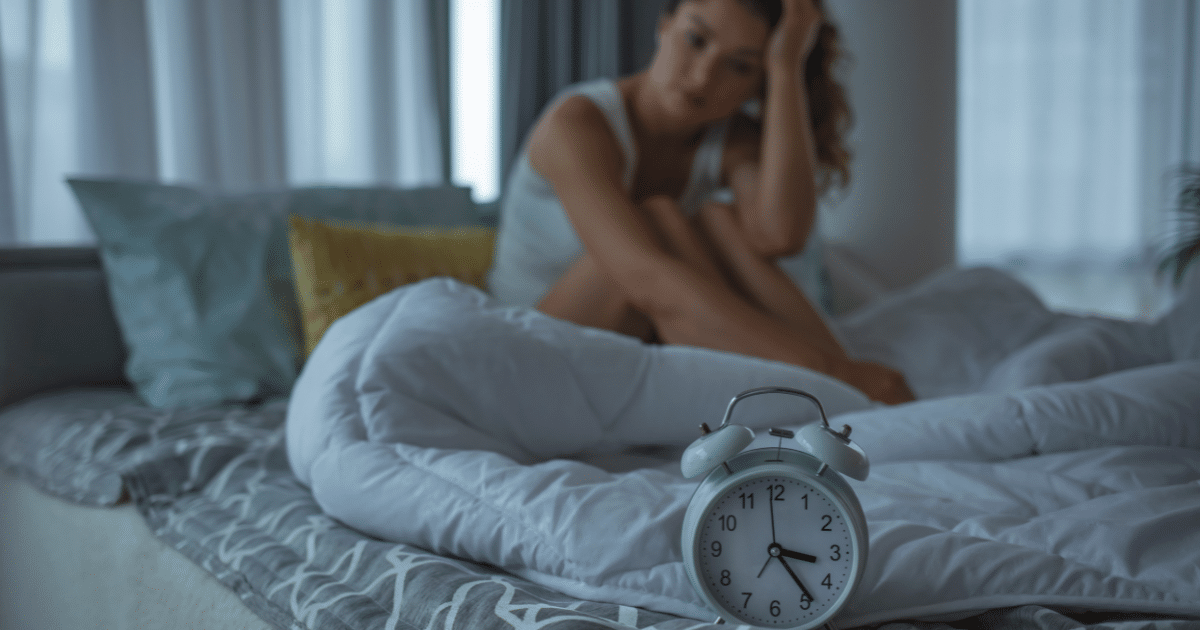
No Sleep and Weight Loss Don’t Mix Well
While your diet is a huge factor in achieving your weight loss goals, your sleep habits can either support or sabotage your efforts. The connection between sleep and weight loss is deeply rooted in your body’s chemistry and daily choices.
When you’re sleep-deprived, your body’s ability to make smart decisions weakens. Research consistently shows that tired individuals consume more calories. A meta-analysis by King’s College London found that sleep-deprived people ate an average of 385 extra calories the next day. A separate 2022 study from the University of Chicago saw similar results, with participants consuming 270 fewer calories per day after extending their sleep.
It’s not just about calories, it’s about cravings. Studies show that a lack of sleep makes you more likely to reach for high-sugar and high-fat foods. And if you’re tired, you’re more likely to grab a sugary coffee to get through the day, adding empty calories from sugars and creamers that can quickly derail your progress.
Risk of Hormone Imbalances
The relationship between sleep and weight loss becomes crystal clear when you look at your hunger hormones. Your body produces two key players that regulate appetite: leptin and ghrelin.
- Leptin: Produced by fat cells, leptin’s job is to signal to your brain that you’re full and have enough energy. It essentially decreases your appetite.
- Ghrelin: Mostly made in the stomach, ghrelin is the “go” signal. It stimulates hunger and tells your brain it’s time to eat.
When you don’t get enough sleep, this delicate balance is thrown off. A classic Stanford study from 2004 showed that sleeping just five hours a night led to a 14.9% increase in ghrelin and a 15.5% decrease in leptin compared to sleeping eight hours. This creates a perfect storm: your body is producing more of the hormone that makes you hungry and less of the hormone that makes you feel full.

This hormonal “double whammy” can leave you feeling constantly hungry, leading you to raid the pantry even when your body doesn’t need the fuel. The result is often overeating, which pushes your daily calorie intake far beyond your goals.
Cortisol Affects Sleep and Weight Loss
Cortisol is known as the body’s primary stress hormone. Its natural rhythm is to be highest in the morning to wake you up and gradually decrease throughout the day. However, chronic stress and a lack of sleep disrupt this pattern, keeping cortisol levels elevated when they should be low.
This is bad news for your waistline. Persistently high cortisol levels can signal your body to store fat, particularly visceral fat around your abdomen, often called “cortisol belly.” It can also increase cravings for sugary, fatty foods, making it even harder to stick to your nutrition plan.
Related Article: Reach Your Fitness Goals in 7 Easy Steps!
To manage this, it’s vital to handle stressors in your life. Simple practices like meditation, deep breathing, or using apps like Calm or Headspace can help lower cortisol levels, allowing your body and mind to relax and prepare for a restful night.
Your Workouts WILL Suffer
If you aren’t properly rested, you simply can’t perform at a high level in the gym. Your energy will be low, your reaction time will be slower, and your motivation will plummet. But the impact goes even deeper, right down to a cellular level.
During deep sleep, your body releases Human Growth Hormone (HGH), which is absolutely essential for repairing the microscopic tears in your muscles caused by exercise. It’s during this recovery phase that your muscles actually get stronger. Without enough deep sleep, HGH production is blunted, stalling your progress and leaving you more prone to injury.
A pro-tip I always share with my clients is to adjust your training based on your sleep. If you’ve had a terrible night’s rest, pushing through a high-intensity workout can raise cortisol even more and increase injury risk. Instead, consider a lighter day with active recovery, like walking or stretching, to allow your body to catch up.
How to Get Quality Sleep and Weight Loss
Improving your sleep hygiene doesn’t have to be complicated. Here are a few proven methods you can implement to get a better night’s sleep and accelerate your fat loss results.
1. Create complete darkness
Your bedroom should be as dark as possible to promote quality sleep and weight loss. Exposure to light at night, even dim light from a streetlamp or alarm clock, can suppress your body’s production of melatonin, the primary hormone that signals it’s time to sleep.
A 2014 study from the University of Oxford found that women who slept in the darkest rooms were 21% less likely to be obese. To achieve this, invest in blackout curtains that completely seal off outside light. Cover or remove any electronics with glowing lights to ensure your sleep environment is pitch-black.
2. Block out noise
Unwanted sounds from traffic, neighbors, or household activity can easily disrupt your sleep. To create a peaceful environment, you can use comfortable earplugs or a sound machine.
Many people find white noise effective, but you can also explore other options. Some sound machines and apps, like MyNoise, offer “pink noise” or “brown noise,” which some studies suggest can be even more soothing and effective for deepening sleep. Find the sound that works best to filter out distractions for you.
3. Decrease the temperature in your bedroom
Your body temperature naturally drops to initiate sleep, so a cooler room can enhance this process. The Sleep Foundation and most experts agree that the ideal bedroom temperature for sleeping is approximately 60 to 67 degrees Fahrenheit (about 15.5 to 19.5 Celsius).
Keeping your room cool helps your body relax and makes it easier to fall asleep and stay asleep. You can achieve this by turning down the thermostat, using a fan, or even investing in cooling bedding materials like bamboo or Tencel fabrics.
4. Turn off your devices
The blue light emitted from smartphones, tablets, and computers is particularly disruptive to sleep. This specific wavelength of light is a powerful suppressor of melatonin. Harvard research has shown that blue light can suppress melatonin for twice as long as other types of light.
Make it a rule to turn off all screens at least 30 to 60 minutes before bed. Instead of scrolling through social media, use that time to wind down by reading a physical book, stretching, or listening to calming music. Features like Apple’s “Night Shift” can help, but nothing is more effective than simply putting the device away.
Sleep and Weight Loss FAQs
How many hours of sleep do I need for weight loss?
Most adults need 7-9 hours of quality sleep per night. For fat loss, consistency is key. Sticking to this range helps regulate the hormones that control appetite and metabolism, such as leptin and ghrelin, giving your body the best chance to burn fat efficiently.
Can I “catch up” on sleep on the weekends?
While sleeping in can help you feel more rested temporarily, it doesn’t fully reverse the negative metabolic effects of sleep loss during the week. A 2019 study in Current Biology showed that weekend catch-up sleep did not prevent issues like decreased insulin sensitivity and increased calorie intake from late-night snacking. A consistent sleep schedule is far more effective for long-term health and weight management.
What should I eat before bed for better sleep and fat loss?
If you’re hungry before bed, a light, protein-rich snack is a great choice. A small serving of Greek yogurt or cottage cheese provides casein protein, which is slow-digesting and can help with muscle repair overnight without spiking your blood sugar. Avoid large meals, high-sugar snacks, and caffeine, as they can disrupt sleep.


*Disclosure: This article may contain affiliate links or ads, which means we earn a small commission at no extra cost to you if you make a purchase through these links. These commissions help support the operation and maintenance of our website, allowing us to continue producing free valuable content. Your support is genuinely appreciated, whether you choose to use our links or not. Thank you for being a part of our community and enjoying our content.
PLEASE CONSIDER SHARING THIS ON YOUR SOCIAL MEDIA TO HELP OTHERS LEARN MORE ABOUT THIS TOPIC.