


Does The Protein Source You Use Really Matter?
In my years as a certified sports nutritionist, I’ve seen countless people invest serious effort in the gym only to shortchange their results with a low-quality protein source. There’s a saying I love: “Buy once, cry once.” It perfectly captures the mistake of choosing a cheaper product only to realize it was a waste of money.
This is especially true with protein supplements. You get what you pay for.
Choosing a higher-quality protein source isn’t about paying for a brand name. It’s about providing your body with the effective, high-impact nutrition it needs to recover and grow stronger. This guide will break down exactly why your protein source matters and how to choose one that truly supports your health and fitness goals.
Disclaimer: This article is for informational purposes only and is not meant to treat or diagnose any condition. It is recommended that you speak with your doctor before starting any exercise program, changing your daily nutrition, or adding any supplements to your regimen.
Table of contents
Key Takeaways
- Not all protein is created equal. The quality of a protein source is determined by its amino acid profile and how easily your body can absorb and use it (bioavailability).
- High-quality proteins contain enough of the amino acid leucine, around 2.5 to 3 grams per serving, to trigger muscle protein synthesis, which is the process of building new muscle.
- Be cautious of “amino spiking,” a deceptive practice where manufacturers add cheap, non-essential amino acids like glycine and taurine to inflate protein content on the label.
- Look for third-party certifications from organizations like NSF Certified for Sport or Informed-Sport to ensure a product is free from banned substances and that its label is accurate.
- Grass-fed whey often has a better nutritional profile than conventional whey, containing up to 3-5 times more healthy omega-3 fatty acids and conjugated linoleic acid (CLA).
Why Does Your Protein Source Matter?
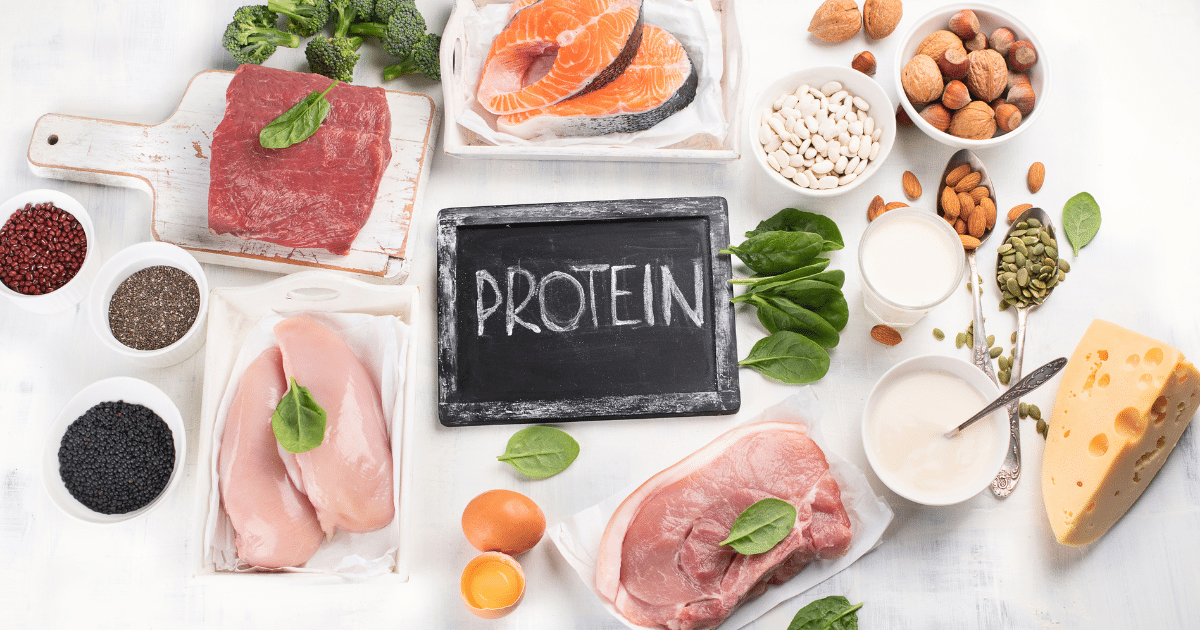
Your protein source matters because not all protein is created equal. The quality depends on its amino acid profile and its bioavailability, which is how well your body can absorb and use it. When you live an active lifestyle, you need high-quality fuel, and you should prioritize protein that works as hard as you do.
Think of it this way. You wouldn’t put regular gasoline in a Lamborghini, would you? You’d use high-octane fuel for peak performance. Your body is no different. Demanding workouts require premium fuel for recovery and growth.
The Role of Leucine in Muscle Building
A key factor in a protein’s effectiveness is its content of a specific essential amino acid: leucine. Research shows that you need to consume about 2.5 to 3 grams of leucine in a single meal to properly stimulate muscle protein synthesis (MPS), the process your body uses to build new muscle tissue. This is often called the “leucine trigger.”
High-quality animal-based proteins like whey, casein, and eggs are rich in leucine, making them incredibly effective for muscle repair and growth. A typical 25-gram scoop of whey protein naturally provides enough leucine to hit this target. Lower-quality sources may not, meaning you get less muscle-building benefit from the same amount of protein.
Won’t Any Protein Source Do?
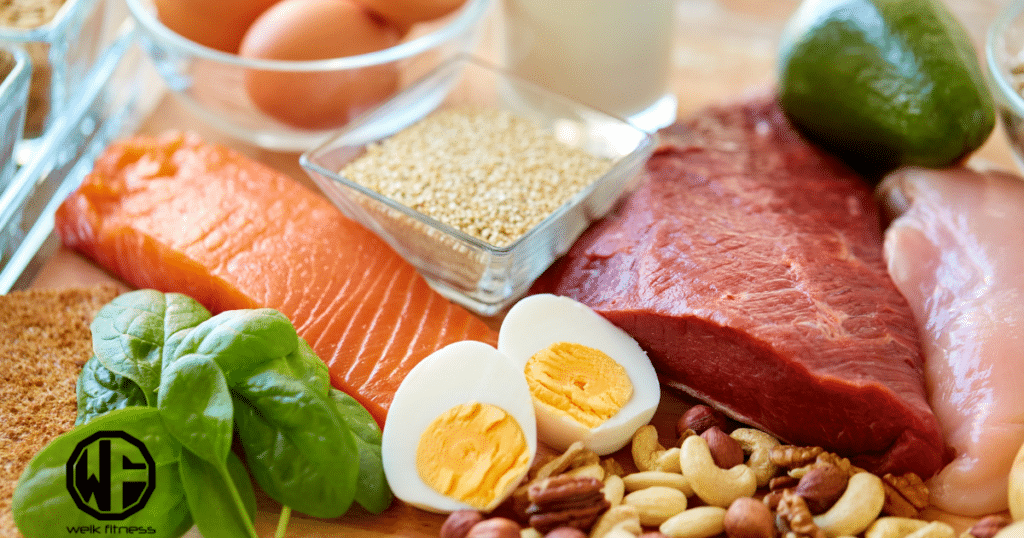
Not if you want optimal results. Using a subpar protein source can mean you’re getting cheated out of the very nutrients you’re paying for. This is especially common in the supplement industry with protein powders.
One of the biggest issues is a deceptive practice known as “amino spiking.” This is where manufacturers add cheap, low-quality amino acids like glycine, taurine, or even creatine to their formulas. These ingredients increase the total nitrogen content of the powder, which is what standard protein tests measure. The label might claim 25 grams of protein, but you could be getting significantly less of the complete, muscle-building protein you need.
Related Article: How Much Protein Do You Need If You Exercise Regularly?
How to Verify Protein Quality
So, how can you protect yourself? Look for brands that invest in third-party testing. These independent certifications verify that a product contains what the label says and is free from contaminants.
- NSF Certified for Sport: This is a rigorous certification that ensures a product does not contain any of over 270 substances banned by major athletic organizations. It also verifies that the label claims are accurate and that the product is made in a GMP-audited facility.
- Informed-Sport: This global program tests every single batch of a product for banned substances before it is released to the market. Seeing the Informed-Sport logo means you can trust the product’s integrity.
A recent report from the Clean Label Project that tested 160 popular protein powders found that 47% exceeded California’s Proposition 65 safety thresholds for toxic metals like lead and cadmium. Choosing products with trusted third-party certifications helps you avoid these risks.
The Proof Is in the Pudding… or Utter
When discussing protein powder, especially whey, the quality starts with the source: the cow’s milk. Just as a healthy diet benefits you, what a cow eats directly impacts the quality of the milk it produces and, therefore, the whey protein made from it.

That’s why I often recommend clients look for a grass-fed protein source. Grass-fed cows are raised on their natural diet of grass and forage, not grains like corn and soy used to fatten conventionally raised cows. This difference in diet leads to a measurably better nutritional profile.
| Nutrient | Grass-Fed Whey | Conventional Whey |
|---|---|---|
| Omega-3 Fatty Acids | Up to 5x higher | Lower Levels |
| CLA (Conjugated Linoleic Acid) | 300-500% more | Lower Levels |
| Omega 6:3 Ratio | Healthier (approx. 2:1) | More Inflammatory (approx. 6:1) |
| Vitamins & Minerals | Higher in B vitamins, vitamin E, calcium, and magnesium | Lower Levels |
Many people find that switching to a high-quality, grass-fed whey protein source reduces digestive issues like bloating and gas. The cleaner profile often leads to better recovery and overall well-being. Your body deserves the best, so don’t skimp on your protein source. Your muscles will thank you for it.
FAQs About Your Protein Source Choices
What is the best type of protein powder?
The “best” protein source depends on your goals and timing. Whey protein isolate is fantastic for post-workout recovery because it digests very quickly. Casein protein is a slow-digesting protein, making it ideal before bed to fuel muscle repair overnight. Egg white protein is another excellent, easily digestible option.
Are plant-based proteins as effective as whey?
Plant-based proteins can be just as effective, provided you choose the right one. Many individual plant proteins are “incomplete,” meaning they lack one or more essential amino acids. However, most modern plant-based protein powders, like those from pea or rice protein, are blends specifically formulated to provide a complete amino acid profile comparable to whey.
How do I know if a protein source is high-quality?
Here are the key things to look for. First, check for third-party certifications like NSF Certified for Sport or Informed-Sport. Second, read the ingredient list; it should be short and free of unnecessary fillers. Finally, ensure it provides at least 2.5 grams of leucine per serving to effectively stimulate muscle growth.

*Disclosure: This article may contain affiliate links or ads, which means we earn a small commission at no extra cost to you if you make a purchase through these links. These commissions help support the operation and maintenance of our website, allowing us to continue producing free valuable content. Your support is genuinely appreciated, whether you choose to use our links or not. Thank you for being a part of our community and enjoying our content.
PLEASE CONSIDER SHARING THIS ON YOUR SOCIAL MEDIA TO HELP OTHERS LEARN MORE ABOUT THIS TOPIC.