

Optimizing Physical Health with Delicious Pomegranates
There was a time when pomegranates were the talk of the town. Everyone seemed to be adding these vibrant red jewels to their yogurt or sipping on pomegranate juice. Then, just as quickly, the excitement faded.
This is surprising, especially from my perspective as a sports nutritionist, because the health benefits of pomegranates are incredibly powerful.
This powerhouse fruit is more than just a passing trend; it’s a valuable tool for optimizing your physical health. We will explore exactly how adding pomegranates to your diet can make a real difference.
Disclaimer: This article is for informational purposes only and is not meant to treat or diagnose any condition. It is recommended that you speak with your doctor before starting any exercise program, changing your daily nutrition, or adding any supplements to your regimen.
Table of contents
Key Takeaways
- Pomegranates are packed with essential nutrients, including fiber, vitamin C, vitamin K, and potassium, making them a dense source of micronutrients.
- The arils, or seeds, are completely edible and contain beneficial fiber and powerful antioxidants known as punicalagins and punicic acid.
- Pomegranates contain natural nitrates that can improve blood flow, which may enhance both physical exercise performance and mental functions like memory.
- Studies show the antioxidant capacity of pomegranate juice is three times higher than that of red wine and green tea, effectively fighting cellular damage from free radicals.
- The punicic acid in pomegranates can help lower LDL (bad) cholesterol and reduce blood pressure, contributing to overall heart health and reducing the risk of heart disease.
What Are Pomegranates?
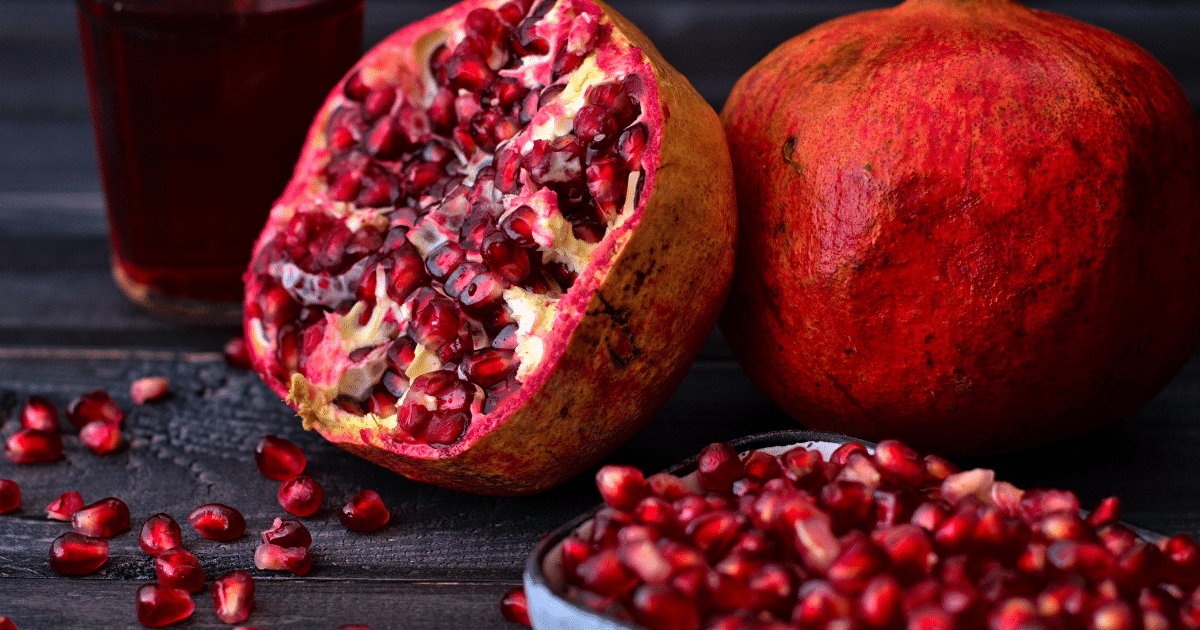
Pomegranates are unique fruits that grow on small trees, primarily in Mediterranean and Middle Eastern climates. They are typically round, about the size of an apple, and have a tough, leathery skin that ranges from red to yellow.
Inside, the fruit is filled with hundreds of juicy seeds called arils. These arils are the edible part and have a distinct sweet-and-tart flavor that makes them a delicious addition to any diet.
But they are much more than just a tasty fruit. Pomegranates are loaded with vitamins and minerals. According to data from the USDA, a 100-gram serving provides a good source of key nutrients.
- Vitamin K: 16mcg (14% of the Daily Value)
- Vitamin C: 10mg (11% of the Daily Value)
- Folate (B9): 38µg (10% of the Daily Value)
- Potassium: 236mg (7% of the Daily Value)
They also contain powerful bioactive compounds, most notably punicalagins and punicic acid. Punicalagins are potent antioxidants found in the juice and peel, while punicic acid, a type of fatty acid, is found in the seed oil. These compounds are responsible for many of the fruit’s impressive health benefits.
Are You Supposed to Eat the Pomegranate Seeds?
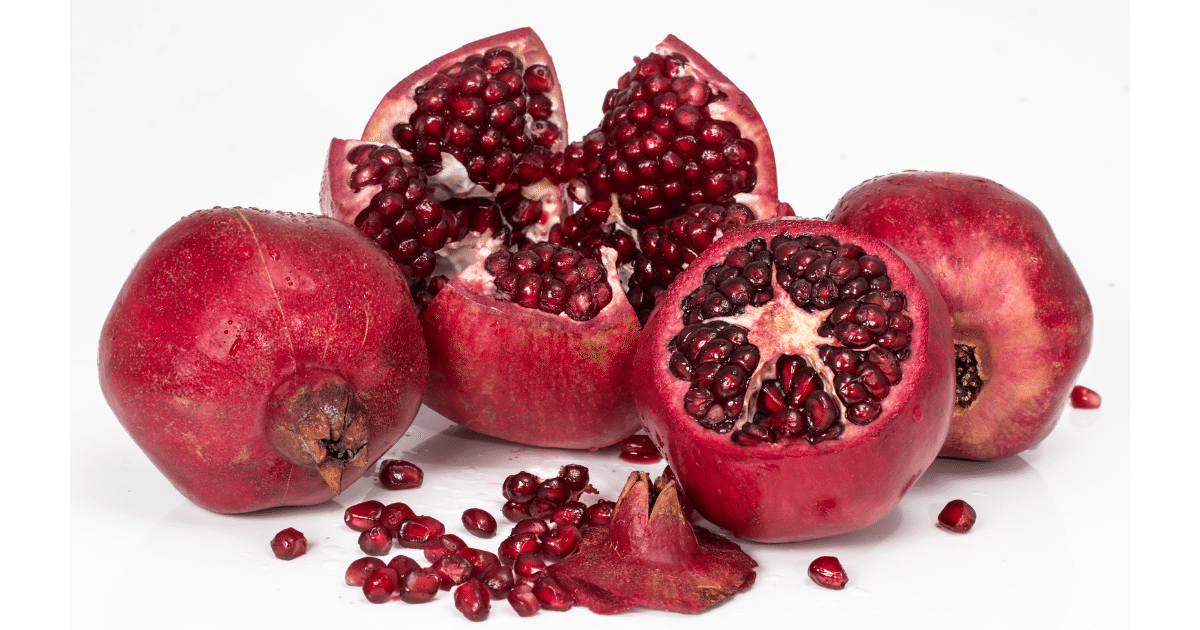
Yes, you can and absolutely should eat pomegranate seeds, which are properly called arils. The arils are the juicy, edible sacs that surround the small, crunchy seeds. They are where the fruit’s flavor and much of its nutritional value are stored.
Eating the arils whole provides a good source of dietary fiber, which is crucial for digestive health. A 100-gram serving of pomegranate arils contains about 4 grams of fiber, helping you feel full and supporting a healthy gut microbiome.
Extracting the seeds can seem tricky, but there are a few simple methods. A popular tip often shared on forums like Reddit is the “underwater method.” Simply cut the pomegranate into sections, submerge them in a bowl of water, and use your fingers to gently separate the arils. The arils will sink to the bottom while the white pith floats to the top, making cleanup easy.
Pumped About Pomegranates
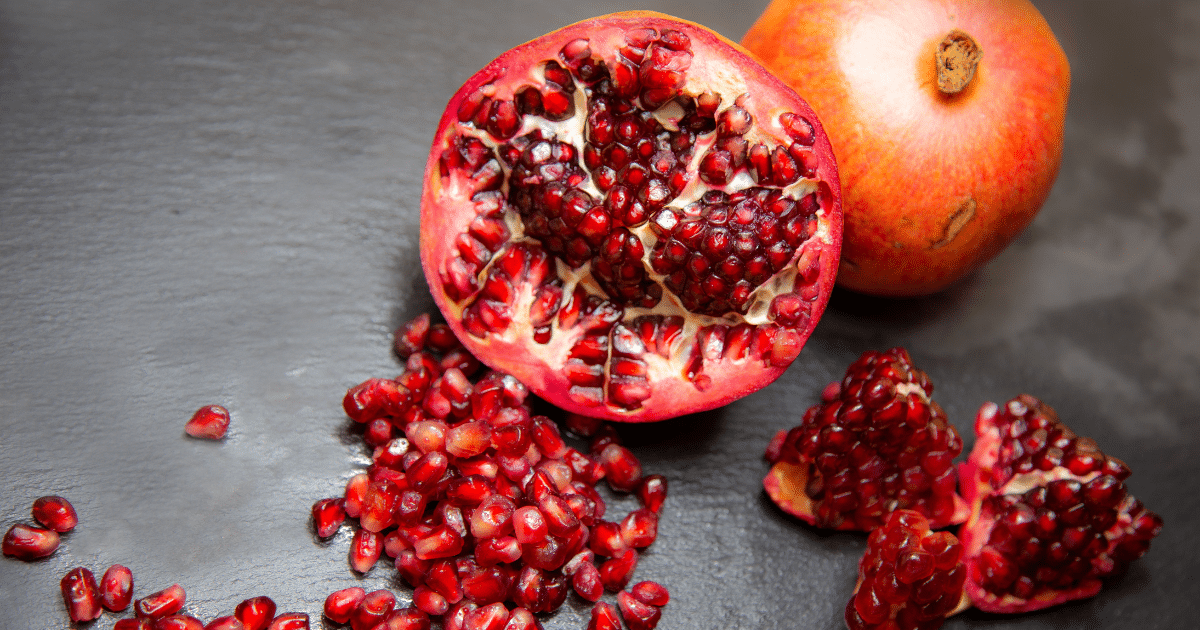
First, let’s cover the basics of how to prepare them. Unlike an apple, you don’t just bite into a pomegranate. The best way is to make shallow vertical cuts through the skin and then break the fruit into sections. From there, you can scrape the arils into a bowl and discard the inedible peel and pith.
You can enjoy these sweet arils on their own, mix them into cereal or yogurt, or even blend them into a fresh juice. In my experience, adding them to a post-workout smoothie is a great way to replenish energy and get a nutrient boost.
This fruit is often called a “superfood” for a reason. It’s packed with micronutrients that are key to optimizing physical health.
Here are just a few ways pomegranates aid in optimizing physical health.
1. Improves Mental and Physical Performance
Your ability to perform at your best, both mentally and physically, is a cornerstone of good health. Pomegranates can play a surprising role here.
Pomegranates are a natural source of nitrates, which your body converts into nitric oxide. This molecule helps relax and widen blood vessels, a process known as vasodilation. Improved blood flow means more oxygen and nutrients can reach your muscles during exercise and your brain during focused tasks. A study on trained cyclists found that 1,000 mg of pomegranate extract taken 30 minutes before exercise enhanced blood flow and delayed fatigue, suggesting it has a real ergogenic effect.
RELATED: Urolithin A Supplement — The Science of Urolithin & Muscle Health
This boost in blood flow can help reduce fatigue during training, allowing you to push harder and achieve better results. One of the compounds in pomegranates, Urolithin A, has been shown in human trials to improve muscle strength and endurance.
On the mental front, research has suggested that pomegranates can support memory and cognitive function. A 2023 systematic review found that daily pomegranate consumption can improve cognitive function and may lower the risk of cognitive impairment. Another study involving older adults with age-related memory complaints found that drinking pomegranate juice for four weeks led to significant improvements in verbal memory tests and increased functional brain activity.
And for men, the increased blood flow from pomegranates may offer an additional benefit. It can act as a natural aid for erectile dysfunction, functioning in a way similar to a “natural Viagra” by improving circulation.
2. Loaded with Beneficial Antioxidants
To optimize physical health, having a strong defense against cellular damage is essential. This is where antioxidants come in. Our bodies are constantly exposed to free radicals, unstable molecules that cause oxidative stress, which can damage healthy cells and even our DNA.

Pomegranates are exceptionally rich in antioxidants, particularly punicalagins. Research has shown that the antioxidant capacity of pomegranate juice is about three times higher than that of red wine and green tea. This powerful antioxidant activity helps neutralize free radicals and protect your body from damage.
This oxidative damage is a major contributor to chronic inflammation, which is linked to numerous health issues. Chronic inflammation can cause joint pain, swelling, and lead to serious conditions like heart disease, diabetes, and even Alzheimer’s. By fighting oxidative stress, the compounds in pomegranates help reduce inflammation throughout the body.
3. Protects Heart Health
Protecting your heart is non-negotiable for a long and healthy life. Heart disease remains the number one killer globally, but many of its risk factors can be managed through diet and lifestyle.
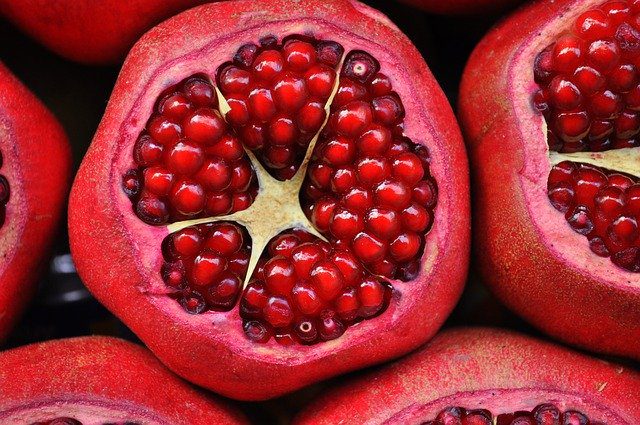
Pomegranates offer several benefits for cardiovascular health. One of the key compounds is punicic acid, the main fatty acid in the arils. Animal studies and some small human trials suggest that punicic acid may help lower LDL (the “bad”) cholesterol and triglyceride levels, which are major contributors to plaque buildup in arteries.
Additionally, pomegranate juice has been shown to have a positive impact on blood pressure. A meta-analysis published in 2023, which reviewed 14 clinical trials, found that drinking pomegranate juice led to a significant reduction in systolic blood pressure by an average of 5 mmHg. The effect was most pronounced with a daily intake of 300 mL or less. This is critical because high blood pressure is often called “the silent killer,” as it can lead to strokes and heart attacks with few warning signs.
FAQs About Pomegranates
What is the best way to eat a pomegranate?
The best way to eat a pomegranate is by consuming the fresh arils (seeds). You can eat them plain or add them to salads, yogurt, oatmeal, or smoothies. This ensures you get the full benefit of the fiber, vitamins, and antioxidants.
How much pomegranate should I eat a day?
A healthy serving size is about half of a medium-sized pomegranate, which is roughly one cup of arils. If drinking juice, studies suggest that up to 8 ounces (about 240 mL) per day can be beneficial for blood pressure without adding excessive sugar to your diet.
Is pomegranate juice as healthy as the whole fruit?
Pomegranate juice is very healthy and contains a high concentration of antioxidants. However, it lacks the dietary fiber found in the whole arils. Fiber is important for digestion and helps manage blood sugar. For the most complete nutritional benefit, eating the arils is the better choice.
Can pomegranates help with weight loss?
Pomegranates can be a helpful part of a weight management plan. The fiber in the arils helps you feel full, which can reduce overall calorie intake. Additionally, some research suggests that compounds in pomegranates may help improve insulin sensitivity and reduce fat accumulation, though more studies are needed.
Are there any side effects of eating pomegranates?
Pomegranates are safe for most people. However, the root, stem, and peel contain substances that can be toxic in high doses. It’s best to stick to consuming the fruit’s arils and juice. Some people may have an allergic reaction to pomegranates, but this is rare.


*Disclosure: This article may contain affiliate links or ads, which means we earn a small commission at no extra cost to you if you make a purchase through these links. These commissions help support the operation and maintenance of our website, allowing us to continue producing free valuable content. Your support is genuinely appreciated, whether you choose to use our links or not. Thank you for being a part of our community and enjoying our content.
PLEASE CONSIDER SHARING THIS ON YOUR SOCIAL MEDIA TO HELP OTHERS LEARN MORE ABOUT THIS TOPIC.