

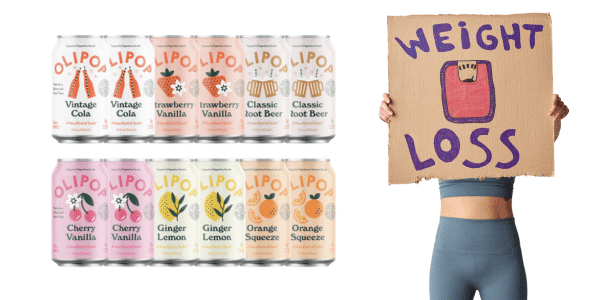
Can Drinking Olipop Help Improve Weight Loss?
Are you looking for a soda that satisfies your craving for fizz without sabotaging your health goals? Olipop is something you may want to consider.
Many of us assume that delicious drinks are unhealthy, while healthy options taste bland. This can feel especially true when you want a carbonated beverage.
The good news is that Olipop is changing the game. With its appealing flavors and focus on digestive health, it offers a soda experience you can feel good about. To see what all the excitement is about, you can find more product information here.
This guide will explore how Olipop’s unique ingredients work, what makes it a healthier choice, and whether it can truly support your weight loss journey.
Disclaimer: This article is for informational purposes only. It is recommended that you speak with your doctor about making changes to your nutrition or weight loss plan.
Table of contents
Key Takeaways
- Olipop is a low-sugar, high-fiber soda alternative designed to support digestive health with prebiotics.
- Each can contains 9 grams of fiber and only 2-5 grams of sugar, making it a much healthier option than traditional sodas that pack around 39 grams of sugar.
- While not a direct weight loss product, its low-calorie profile and high fiber content can help with weight management by promoting fullness and reducing overall calorie intake.
- Some flavors contain caffeine (up to 50mg), so it’s important to check the label if you are sensitive to it.
What is Olipop?
Olipop is a carbonated beverage marketed as a healthier alternative to traditional sodas. As a certified sports nutritionist, I’ve seen countless clients struggle to give up sugary drinks. The advice to simply “drink more water” often falls flat because, let’s face it, sometimes you just want something with more flavor and fizz.
This is the exact problem Olipop, founded by Ben Goodwin and David Lester, set out to solve. Instead of being loaded with sugar and artificial ingredients, Olipop is built around functional benefits, primarily for your digestive health.
Related Article: Are Liquid Calories Stalling Your Weight Loss?
Each can contains a proprietary blend of prebiotics and plant fibers called OLISMAR. This blend includes ingredients like Cassava Root Fiber, Chicory Root, and Jerusalem Artichoke, which are designed to feed the good bacteria in your gut. This focus on gut health is a key differentiator in the beverage market.
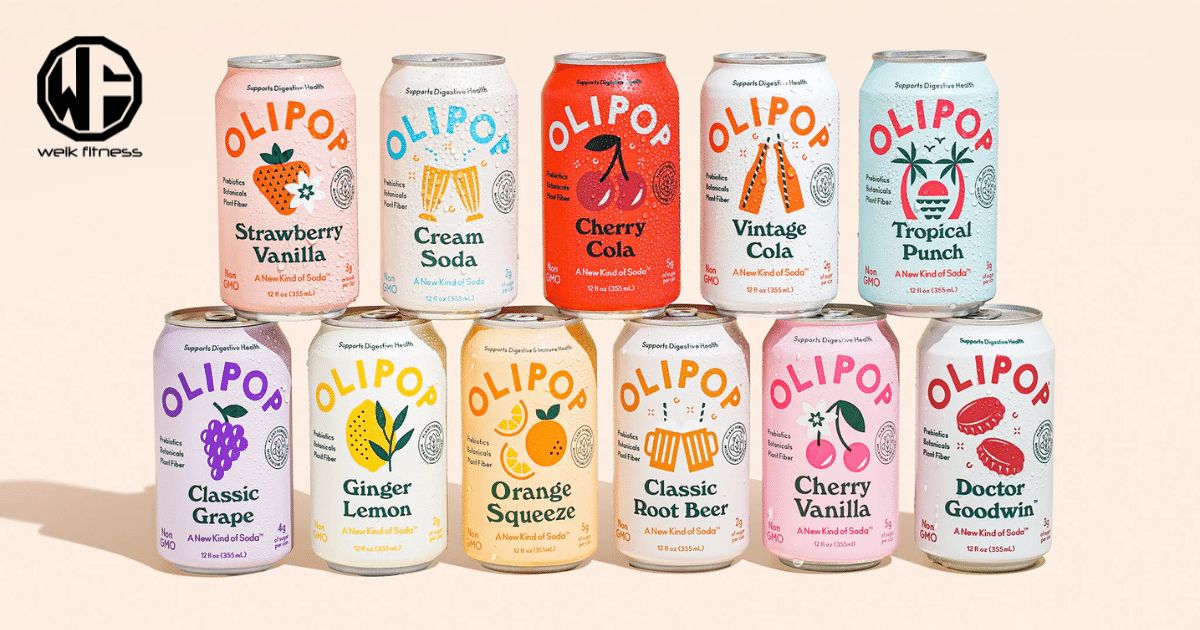
The brand offers a growing lineup of flavors that mimic classic soda tastes, such as Vintage Cola, Classic Root Beer, and Strawberry Vanilla, making it an easier swap for people trying to reduce their intake of conventional soft drinks.
What Makes Olipop Considered Healthy?
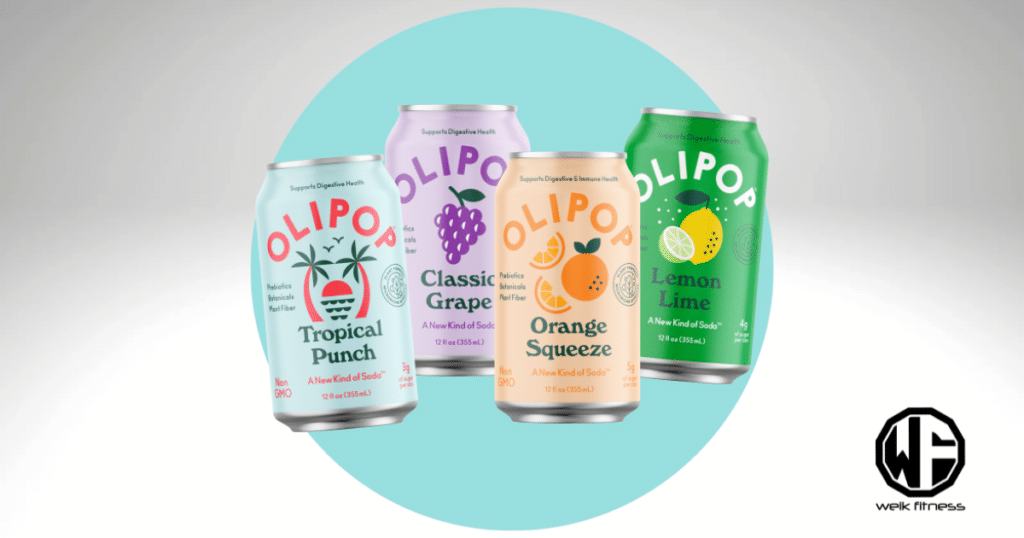
Olipop stands out from traditional sodas for several key reasons that contribute to its “healthy” reputation. It’s not just about what’s missing, like high sugar content, but also about what’s added.
- High in Prebiotic Fiber: Every can delivers 9 grams of prebiotic fiber. This is significant, as it provides nearly a third of the daily recommended fiber intake for many adults, which is around 25-30 grams according to The Academy of Nutrition and Dietetics. This fiber helps nourish beneficial gut bacteria.
- Low in Sugar and Calories: Most Olipop flavors contain just 2 to 5 grams of sugar and around 35 to 50 calories. Compare that to a 12oz can of Coca-Cola, which has 39 grams of sugar and 140 calories.
- No Artificial Sweeteners: The sweetness comes from natural sources, including stevia and monk fruit extract. This makes it a great choice for those who want to avoid artificial ingredients like aspartame or sucralose.
- Clean Ingredients: Olipop is vegan, gluten-free, non-GMO, and Paleo-friendly. It’s made without the phosphoric acid commonly found in colas, which some studies have linked to potential bone health issues when consumed in large amounts.
Pro Tip: If you are new to high-fiber foods, introduce Olipop gradually. Drinking too much too quickly can sometimes lead to temporary bloating or gas as your digestive system adjusts to the increased fiber intake. Start with half a can and see how you feel.
Does Olipop Have Caffeine?
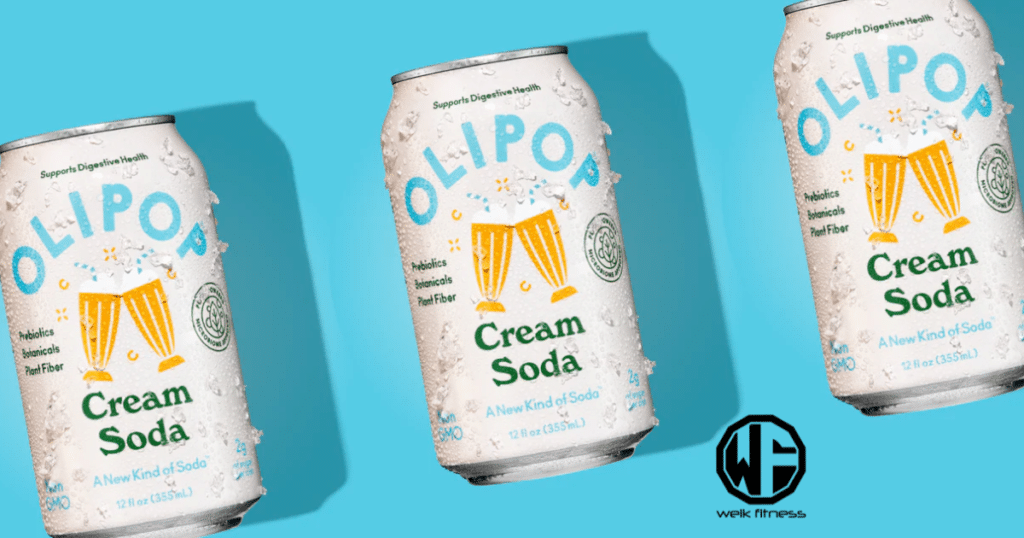
Yes, some flavors of Olipop contain caffeine, while many are caffeine-free. It’s a common question, and the answer is important for anyone monitoring their caffeine consumption. The caffeine in Olipop comes from green tea extract.
This is a significant update from their earlier formulas, where some caffeine content was different. As of early 2026, their cola-flavored drinks contain a moderate amount of caffeine.
| Olipop Flavor | Caffeine Content |
|---|---|
| Vintage Cola | 50mg |
| Doctor Goodwin | 50mg |
| Cherry Cola | 50mg |
| Classic Root Beer | Caffeine-Free |
| Strawberry Vanilla | Caffeine-Free |
| All other fruit flavors | Caffeine-Free |
For context, the 50mg of caffeine in a can of Vintage Cola is less than a standard 8-ounce cup of coffee, which typically has around 95mg. However, it is slightly more than a 12-ounce can of Diet Coke, which contains about 46mg. Always check the can for the most up-to-date information if you are sensitive to caffeine.
How Are People Using Olipop in Their Daily Lives?
People are finding creative and practical ways to fit Olipop into their routines as a healthier substitute for traditional sugary drinks. Here are a few strategic ways people are enjoying it.
1. As a Refreshing Beverage
The most common use is simply as a refreshing, chilled drink. Its bubbles and flavor make it a satisfying way to hydrate and beat thirst, especially as an afternoon pick-me-up instead of a high-sugar soda or energy drink.
2. With Meals
Pairing Olipop with a meal can enhance the dining experience without adding excessive sugar. Because of its high fiber content, some people find that drinking it with lunch or dinner helps them feel fuller and more satisfied, which can aid in portion control.
3. On-the-Go Snack
When you get hungry between meals, Olipop can be a surprisingly effective way to manage cravings. The combination of fiber and sweetness can provide a feeling of satiety, helping to bridge the gap to your next meal and avoid less healthy snack choices.

3. On-the-Go Snack
When hunger strikes between meals, Olipop can serve as a satisfying and low-sugar snack. Its blend of prebiotics and plant-based ingredients can provide a sense of satiety, making it a convenient choice for those seeking a healthier way to curb their sugar cravings or hunger pangs.
4. Mixology and Mocktails
With the “sober curious” movement gaining popularity, Olipop has become a go-to ingredient for creating sophisticated non-alcoholic drinks. Flavors like Ginger Lemon or Strawberry Vanilla serve as excellent bases for mocktails, often mixed with fresh fruit juice, herbs, and sparkling water.
5. Digestive Health Support
Many people drink Olipop specifically for its gut health benefits. By consistently providing prebiotic fiber, they are actively supporting their gut microbiome, which is linked to overall wellness, from digestion to immune function.
Can Olipop Help with Weight Loss?
While Olipop is not a magic weight loss drink, it can absolutely be a powerful tool in your weight management strategy. If you think you can drink your way thin without making other changes, that’s not going to happen. True weight loss comes from a holistic approach.
Weight loss fundamentally depends on maintaining a consistent calorie deficit, which means consuming fewer calories than your body burns. This is where Olipop offers its biggest advantage.
By swapping a daily 140-calorie soda for a 40-calorie Olipop, you create an instant 100-calorie deficit. Over a year, that single change can add up to a deficit of 36,500 calories, which is theoretically equivalent to losing over 10 pounds of body fat.
There are two primary ways Olipop can support your weight loss journey:
- Calorie and Sugar Reduction: Its low-calorie and low-sugar profile makes it an easy substitute for sugary drinks. Since liquid calories from sodas, juices, and sweetened coffees are a major contributor to weight gain for many people, this swap can have a significant impact.
- Increased Satiety from Fiber: The 9 grams of fiber in each can plays a crucial role in making you feel full. Fiber slows down digestion, which helps stabilize blood sugar levels and prevent the sharp energy crashes that can lead to cravings for more high-calorie foods.
In my experience as a fitness and nutrition coach, the most successful weight loss plans are built on sustainable habits. Replacing a high-calorie habit with a satisfying, low-calorie alternative like Olipop is exactly the kind of smart, manageable change that leads to long-term results.
FAQs About Olipop
Is it okay to drink Olipop every day?
For most people, drinking one Olipop per day is perfectly fine, especially if it’s replacing a much less healthy beverage. The 9 grams of fiber is a healthy amount, but if you have a sensitive digestive system or don’t typically consume much fiber, you might want to start with a few cans per week to allow your system to adjust.
Olipop vs. Poppi: which is better for weight loss?
Both Olipop and Poppi are excellent low-calorie, low-sugar soda alternatives. Olipop’s main advantage is its high fiber content (9g vs. 2g in Poppi), which can be more effective for promoting satiety. Poppi’s claim to fame is its use of apple cider vinegar, which some believe offers metabolic benefits, though the science on that is still developing. For purely managing hunger, Olipop likely has a slight edge due to the higher fiber.
Does Olipop break a fast?
Yes. Since Olipop contains calories (around 35-50) and a small amount of sugar, it will break a fast. It is not suitable for consumption during a fasting window if you are practicing intermittent fasting for metabolic rest.
What are the side effects of Olipop?
The most common side effect is digestive discomfort, such as gas or bloating, particularly for individuals not accustomed to a high-fiber diet. This is caused by the prebiotic fibers being fermented by gut bacteria. These symptoms usually subside as your body adapts. Drinking it slowly and not on an empty stomach can help.


*Disclosure: This article may contain affiliate links or ads, which means we earn a small commission at no extra cost to you if you make a purchase through these links. These commissions help support the operation and maintenance of our website, allowing us to continue producing free valuable content. Your support is genuinely appreciated, whether you choose to use our links or not. Thank you for being a part of our community and enjoying our content.
PLEASE CONSIDER SHARING THIS ON YOUR SOCIAL MEDIA TO HELP OTHERS LEARN MORE ABOUT THIS TOPIC.