
Nasal Dilator: Should You Use Them for Recovery?
You’ve seen people use a nasal dilator, but you’ve probably never given it much thought on what it can do for you… like improve breathing. But it could be what you’ve been missing following all your hard work in the gym.
You know how your training can be dialed in, but one clogged night of mouth breathing rather than nose breathing can still wreck your recovery? You need to improve nasal airflow and support nose breathing for restful sleep that has you waking up energized and refreshed the next morning.
If better sleep is the goal, a nasal dilator is a breathing cheat code and can be one of the simplest, lowest-effort tools to test, especially if your issue starts in the nose.
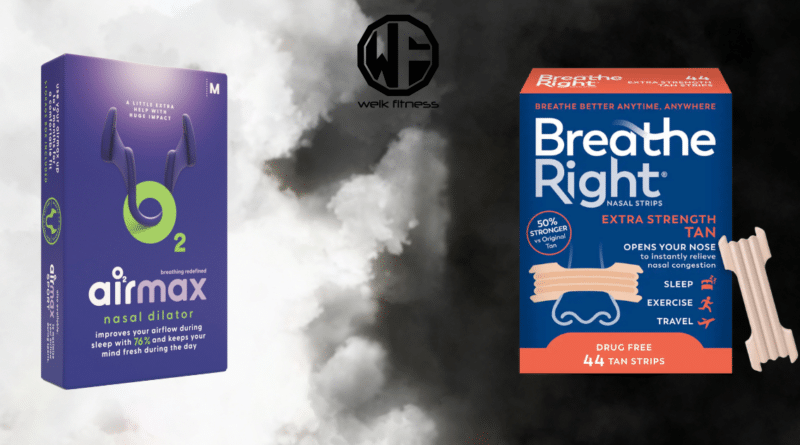
In this article, I’ll use the AIRMAX Nasal Dilator as the internal option and compare it to classic external Breathe Right Strips.
I’ll break down what nasal dilators are, how internal nasal and external nasal designs differ, what the research says about snoring and sleep quality, and the practical fit and safety checks that keep this kind of experiment worth your time.
Disclaimer: This article is for informational purposes only and is not meant to treat or diagnose any condition. It is recommended that you speak with your doctor before starting any exercise program, changing your daily nutrition, or adding any supplements to your regimen.
Table of contents
Key Takeaways
- AIRMAX has two-size trial packs (small and medium), which makes it an easy way to test fit before committing to a single size.
- In a 2014 clinical study in patients with nasal obstruction from valve problems, an endonasal dilator branded AIRMAX was associated with a large improvement in peak nasal inspiratory flow (PNIF) over a 4-week trial, and 19 of 30 participants preferred continuing the device over surgery.
- Internal AIRMAX-style dilators are often marketed with “up to 76%” airflow claims, but the biggest real-world win is simpler: if the nasal valve is your bottleneck, widening it can make nasal breathing feel dramatically easier within minutes.
- A 2026 systematic review and meta-analysis concluded nasal dilators should not be used as monotherapy for sleep-disordered breathing (including obstructive sleep apnea), even if you subjectively feel you sleep better.
- Nasal dilators do not treat obstructive sleep apnea; consult an ENT doctor for a deviated septum or nasal polyps, watch for irritation, and replace reusable devices about every 2 months for hygiene and performance.

What Are Nasal Dilators?
Nasal dilators widen the nostrils and nasal passages to lower airflow resistance. They work by preventing the sidewalls of the nose from collapsing inward when you inhale, which is most noticeable when you sleep, train hard, or deal with nasal congestion.
Most people feel the difference most at the nasal valve, the narrowest, highest-resistance segment of the nasal airway. In adults, anatomy references commonly describe the internal nasal valve as having an average cross-sectional area of around 0.73 cm², with cartilage angles often described in the 10 to 15 degree range, which helps explain why small changes in that zone can feel big.
You can choose between external adhesive strips, like Breathe Right Strips, and soft, pliable internal nasal dilator clips. I tried the AIRMAX Nasal Dilator; it felt sturdy, it is made from medical-grade material, and it is reusable for up to two months.
If your nasal breathing problems are driven by a structural issue like a deviated septum, turbinate swelling, or nasal valve collapse, talk with an ENT doctor. If you deal with obstructive sleep apnea, treat that first with a clinician; a nasal dilator is not a substitute.
Types of Nasal Dilators
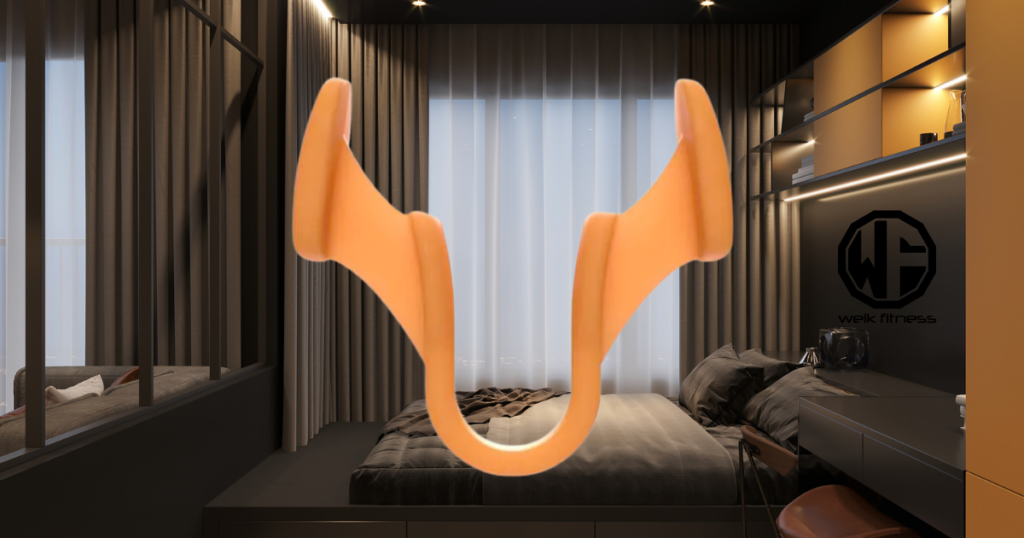
You can pick internal or external nasal dilators to open nasal passages, reduce nasal resistance, and ease nasal obstruction. Devices like the AIRMAX Nasal Dilator and Breathe Right Strips act as a mechanical nasal stent to improve nasal breathing and better airflow.
Here’s the cleanest way to think about the difference: internal devices support the nasal valve from the inside, while external strips lift the nasal sidewalls by pulling on the skin.
| Type | Where it sits | Best for | Common downside |
|---|---|---|---|
| Internal nasal dilator | Inside the nostrils | Valve collapse tendencies, asymmetry, training nights when strips pop off | Wrong size can irritate, can feel “present” the first week |
| External nasal dilator (nasal strip) | On the skin above the nostril flare | Quick, disposable option for colds, allergies, travel | Adhesive issues, skin irritation, single-use cost adds up |
What Are Internal Nasal Dilators?
Unlike nasal strips, internal nasal dilators sit inside your nostrils to prop open the internal nasal valve. They prevent nasal wall collapse, reduce nasal resistance, and help nasal breathing during sleep and exercise.
I first started out with the sleep version and loved it so much that I purchased the sport version as well.
Air Max internal dilators, like the Air Max Nasal Dilators Trial Pack, include small and medium sizes. The pack is reusable for up to two months, made from medical-grade, BPA-free, latex-free materials, and made in the Netherlands.
Air Max is ISO 13485 and CE certified, and offers a sports version.
One of the best “so what” data points on internal dilators is peak nasal inspiratory flow (PNIF).
In a 2014 Rhinology study of 30 patients with nasal obstruction tied to nasal valve problems, participants used an endonasal dilator branded Airmax for 4 weeks, PNIF improved markedly, and 19 of 30 said they’d rather keep using the device than move forward with surgery.
- Pro tip for athletes: Use a trial pack first. If the device falls out at night, it is often a sizing or positioning problem, not a “nasal dilators don’t work” problem.
- Common pitfall: If your nose gets runny or irritated within minutes of inserting, treat that as a fit signal. Try a different size and reduce wear time for a few nights while you adapt.
- Reality check: Internal dilators can help snoring caused by nasal obstruction, but they do not treat obstructive sleep apnea.
What Are External Nasal Dilators?
You stick an adhesive nasal dilator strip on the outside of the nose to lift the nasal wings and open the nasal valve. The strip’s “spring-like” bands try to straighten, which gently lifts the sides of your nose and increases the cross-sectional area near the valve.
In the Breathe Right FAQs, the brand explains that placement matters most: you position the strip right above where your nose flares out, on clean, dry skin. They also note each strip is single-use and you should not wear one for more than 12 hours in a day.
A practical note many people miss: if you have oily skin or you sweat at night, adhesive performance can be the limiting factor. If a strip peels up mid-sleep, you lose the benefit right when you want it most.
- Best use case: short-term nasal congestion, travel, or “quick test” nights.
- Watch-outs: avoid use on irritated skin, and keep latex sensitivity in mind since Breathe Right warns its packaging contains natural rubber latex.
How Do Nasal Dilators Help with Recovery?
Oftentimes, we think about protein powders, creatine, glutamine, etc., when it comes to recovery. But the truth is, the most overlooked aspect of recovery is sleep.
Recovery is mostly about sleep quality, and sleep quality is heavily influenced by how stable your breathing is through the night.
One reason nasal dilation can matter is simple physiology: during nasal breathing, the nose contributes roughly 50% of total airway resistance. If you reduce resistance at the nasal valve, you can make nasal breathing feel easier with less “work of breathing,” which can reduce mouth breathing and the dry mouth, sore throat, and morning headaches that come with it.
RELATED: Muscle Recovery After 50 — Effective Ways to Feel Less Sore
I used the AIRMAX Nasal Dilator, and I felt easier nasal breathing the next night. If you wake up congested after hard sessions, or you notice you snore more after intense training blocks, this is a low-risk experiment worth running for a week or two.
Recovery takeaway: A nasal dilator can help you sleep better when the problem is upstream (nasal congestion, narrow nasal passages, nasal valve collapse). If the problem is downstream (throat collapse in obstructive sleep apnea), you need a different tool.
- Night 1 to 3: focus on comfort, fit, and whether you wake up mouth breathing less.
- Week 1: track snore time or loudness using a consistent method (even a simple audio snore app) and note morning symptoms like dry mouth and headaches.
- Week 2: keep the better option, and remove the rest of the variables (no alcohol near bedtime, consistent sleep schedule) so you know what actually helped.
Pairing effective nasal dilators with simple habits (hydration, allergy control, side-sleeping) usually beats stacking multiple devices at once. If you want to compare AIRMAX and a nasal strip, test them on separate nights so you can tell which one moves the needle.
I’m big on data. That which gets tracked gets measured. Not only for myself, but for my athletes, I tell them to test different things like a nasal dilator and write down how they felt the next morning.
RELATED: Can a Weighted Blanket Help Improve Your Rest and Recovery?
Do you feel sore? Do you feel recovered? Do you feel exhausted? Do you feel energized? Write it all down so you can look at and compare the data when introducing new things to help with sleep and recovery.
Benefits of Using Nasal Dilators
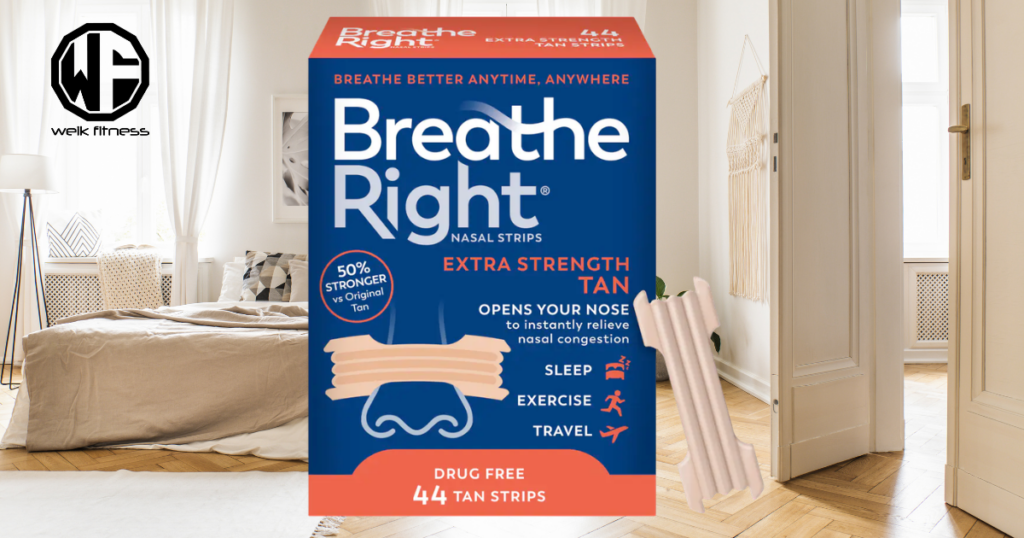
You can try an AIRMAX Nasal Dilator or Breathe Right Strips to open your nasal valve, alleviate nasal congestion, reduce snoring, and improve nighttime breathing, without medication.
- Less mouth breathing: often means less dry mouth and fewer sore-throat mornings.
- Lower nasal resistance: can make breathing during sleep feel calmer and more stable.
- Better training mornings: if your sleep improves, you usually feel it in mood, focus, and session readiness.
- A non-surgical test: for suspected nasal valve collapse or mild obstruction, before you pursue procedures.
- Personally, I incorporate both the AIRMAX Nasal Dilator and Breathe Right Strips (but not together). If my nose is fine, I’ll use the AIRMAX; if my nose is congested or feeling irritated in any way, I’ll rock a Breathe Right Strip.
- I will say that, in the long run, the AIRMAX (assuming you don’t damage it) is a better purchase. You’ll get way more wear out of it compared to the cost of each Breathe Right Strip you use.
- I’ve had my AIRMAX Nasal Dilator for months, and it looks brand new. I also purchased the 2-pack, so I have a spare if something happened to the original (this goes for both the sleep and sport versions of the AIRMAX I have).
How Do Nasal Dilators Improve Airflow?
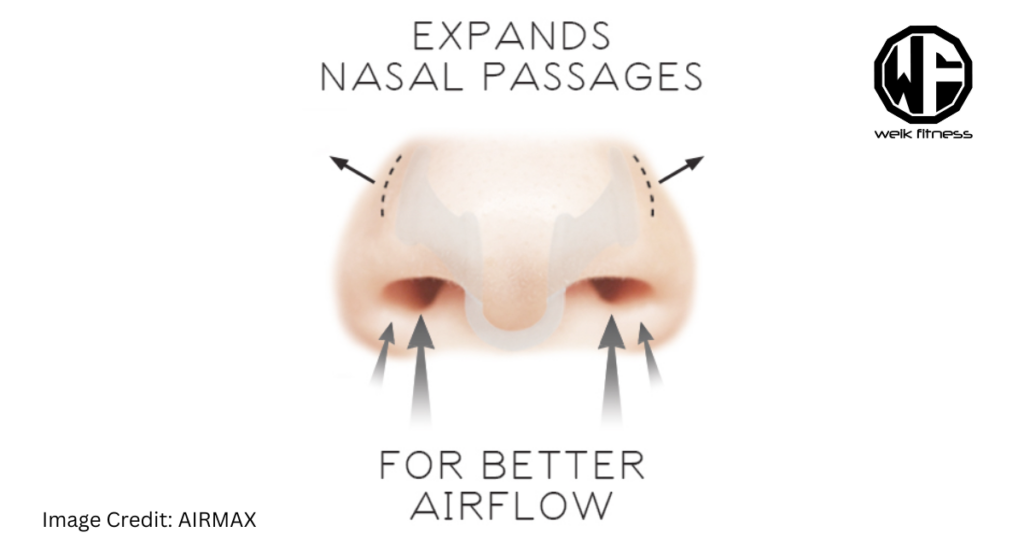
AIRMAX Nasal Dilator widens nasal passages and improves airflow by supporting the nasal valve, the narrowest part of nasal anatomy, and the area of highest resistance.
Both internal and external nasal dilators aim to increase cross-sectional area and reduce inspiratory transnasal pressure. AIRMAX and similar internal dilators are commonly associated with larger changes in nasal resistance than strips, especially in people who have a “valve phenomenon,” meaning the sidewall wants to collapse inward when you inhale.
- Quick self-check: Take a deep nasal inhale while looking in a mirror. If one sidewall caves inward, you may be dealing with nasal valve collapse tendencies.
- What you should feel: smoother, quieter nasal airflow with less effort, not “forced” breathing.
- What you should not feel: sharp pain, pinching, or a constant urge to sneeze; those usually mean poor fit or irritation.
Do Nasal Dilators Enhance Athletic Performance?
It’s easy to assume “more airflow” automatically equals better performance.
In practice, research is mixed, and at least one 2017 crossover study in trained cyclists found that neither an external strip (Breathe Right) nor an internal dilator (Turbine) improved a 20-km cycling time trial performance versus no device.
That does not make nasal dilators useless for athletes. It just changes the goal. Use them to make nasal breathing easier during warmups, zone 2 sessions, nasal-breathing drills, and sleep, where comfort and reduced mouth breathing can help you recover.
- Best times to test: easy runs, indoor rides, and sleep nights after high-volume days.
- Don’t make it a race-day surprise: test comfort and retention first, especially for internal nasal devices.
Can Nasal Dilators Reduce Snoring?
Nasal dilators can help reduce snoring when snoring is caused by nasal obstruction or nasal congestion. By opening the nasal valve, you reduce airflow resistance and may reduce the heavy, turbulent breathing that kicks off soft-tissue vibration in the throat.
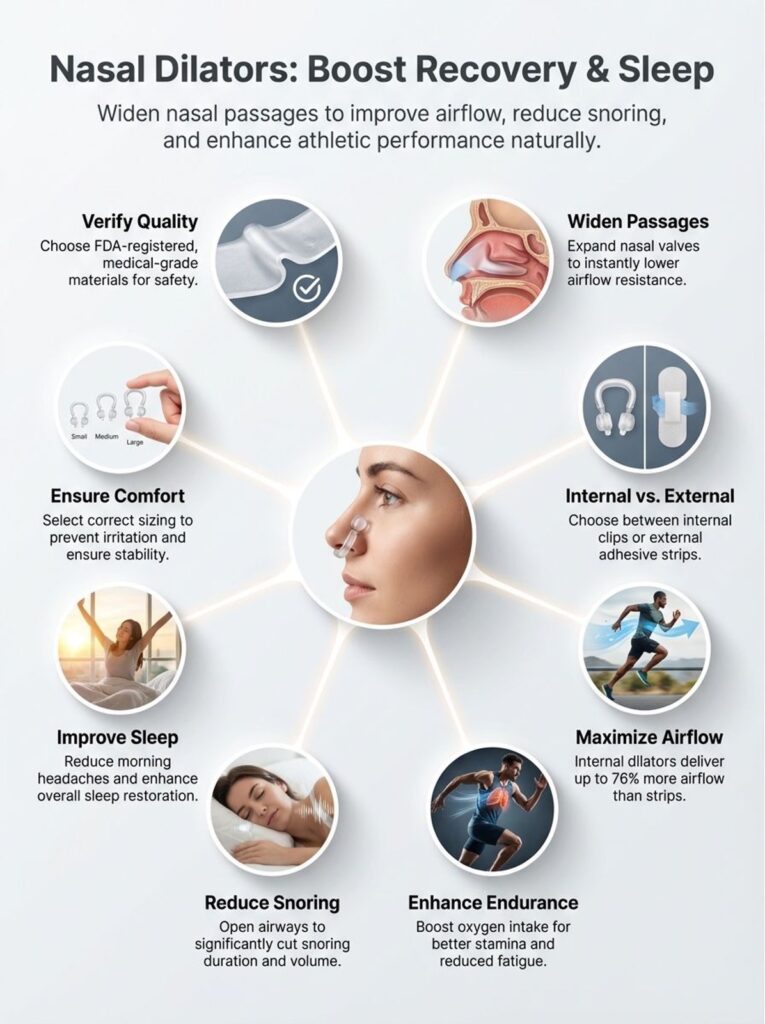
In a 2019 “real-world” clinical practice study of 41 snoring outpatients, both an internal dilator (Nas-air, marketed in some regions as AIRMAX) and an external nasal strip reduced snoring time after a single night, and a higher percentage of patients reported reduced snoring with the internal device (p < 0.05).
- What this means for you: if your partner says you snore worse on “stuffy nose” nights, a nasal dilator can be a high-probability fix.
- What it does not mean: it does not rule out sleep apnea. Loud snoring plus choking or gasping needs clinical screening.
If you want to potentially stop snoring, you really need some sort of nasal dilator to improve the airflow through the nasal passages, and using the AIRMAX® nasal dilator can absolutely help.
Do Nasal Dilators Improve Sleep Quality?
You can get better sleep with some nasal dilators, especially if the improvement comes from switching from mouth breathing to steadier nasal breathing.
In the same 2019 study, participants also reported better subjective sleep quality on a visual analogue scale (VAS) with the internal device, and sleep scores correlated with device preference (r = 0.413, p < 0.01).
RELATED: Zylaria — A Sleep Aid with Benefits for Immunity and Longevity
The important nuance is that “feels better” and “fixes sleep-disordered breathing” are not the same. The newest research summaries still find limited objective change in sleep apnea metrics for most adults, even when people feel better.
- Track sleep quality simply: morning energy (1 to 10), dry mouth (yes or no), headache (yes or no), and a snore score or snore minutes from the same app each night.
- Give your nose time: many people need about 1 to 2 weeks to fully adapt to an internal nasal dilator feel.
RELATED: 5 Ways You Can Get a Better Night’s Sleep Starting Tonight
Do Nasal Dilators Relieve Nasal Congestion?
You can feel relief from nasal congestion with some devices, especially when the “congestion” is really valve narrowing or collapse during inhalation. Clinical ENT education resources also describe breathing strips and internal nasal dilators as non-surgical options that can help some people breathe easier and sleep better when nasal valve collapse is part of the picture.
I tried AIRMAX overnight, and I noticed easier breathing, less congestion, and a better sense of smell (hence why I swear by them and use them regularly). If your congestion is driven by allergies, you will usually get the best result by combining mechanical opening (a nasal dilator) with true allergy control (environment changes, rinses, and clinician-recommended meds when needed).
- Good candidates: “one nostril always feels blocked,” mouth breathing at night, worse symptoms when lying down.
- Less likely to help: severe septal deviation, large polyps, or chronic sinus issues that need medical treatment.
Considerations Before Using Nasal Dilators

Check fit, comfort, and skin issues before you use an over-the-counter nasal dilator like AIRMAX Nasal Dilator or Breathe Right Strips. The goal is lower nasal resistance and better breathing during sleep, not powering through irritation.
- If you suspect obstructive sleep apnea: do not rely on a nasal dilator alone. The American Academy of Sleep Medicine emphasizes clinician-directed therapy for OSA (often CPAP first-line), with validated alternatives like custom oral appliance therapy for some patients.
- If you have structural blockage: persistent nasal obstruction from a deviated septum or polyps needs an ENT specialist, a device can be a short-term test, not the full plan.
- If you are sensitive to adhesives: external nasal strips can irritate skin, and their packaging may be a concern for latex allergy.
Could Nasal Dilators Cause Discomfort or Irritation?
You may feel mild discomfort when you first use an AIRMAX Nasal Dilator, especially if you pick the wrong size or position it too aggressively. Discomfort should trend down as you dial in fit, not worsen each night.
I’m not going to tell you that it gets easier to insert the AIRMAX as time goes on. Every time I use it, it seems to feel uncomfortable at first, and then I quickly adjust and get used to it. But positioning is literally everything. If it’s off, you’re not going to enjoy the placement in your nose.
In clinical use, common reasons people stop using internal dilators include inappropriate size and local irritation. External nasal dilator strips can also cause redness, peeling, or soreness, especially if you remove them quickly or wear them too long.
- Stop and reassess if you notice sores, bleeding, or persistent pain.
- Adjust first by trying the other size, using a mirror to reposition, or limiting wear time for a few nights.
- Check adhesive technique for strips: oils, moisturizer, and sweat reduce hold and increase skin irritation risk.
How Do I Ensure Proper Fit and Usage of Nasal Dilators?
Proper fit boosts comfort and results. Follow clear steps to use nasal dilators safely.
- Check sizing before you buy, proper sizing is essential; try trial packs like AIRMAX small and medium, the AIRMAX product.
- For an internal nasal dilator, use a mirror the first few nights. The device should sit securely, widen the nasal entrance, and the connecting bridge should rest lightly against the nasal septum.
- Insert the internal dilator until slight resistance is felt; do not force it. If one nostril is smaller, adjust gently so it sits evenly.
- Apply adhesive external strips, such as Breathe Right Strips, right above where your nose flares out, and only on clean, fully dry skin.
- Clean reusable models with water and mild soap after each use, dry them, and replace them about every 2 months to keep the device hygienic and effective.
- Use a simple tracking method (VAS, notes, or a snore app) so you can link the device to real changes in snoring and sleep quality.
- See an ENT specialist if nasal obstruction persists or if significant symptoms develop, even after consistent use of nasal dilators.
How Do I Choose the Right Nasal Dilator?
Pick a nasal dilator that matches your main problem: congestion, snoring, mouth breathing, or that “one nostril always blocked” feeling. Then choose the format that you can actually tolerate for sleep.
- Check the type first, internal or external, since nasal dilators come in each form; try AIRMAX internal models, sports versions exist for athletes who want a stable fit during movement.
- Match the device to your snoring or obstruction level; evaluate severity, nasal valve anatomy, and your perception of airflow, and use trial packs with multiple sizes to find the best fit.
- Seek clinical validation and safety marks; prefer products with FDA registration, ISO 13485 and CE certification, plus clinical studies that show measurable changes in nasal airflow or snoring time.
- Try external strips like Breathe Right if you prefer adhesive options; test comfort, skin reaction, and sleep quality, then compare results with internal AIRMAX devices for airflow and reduce snoring goals.
- Consult a clinician for personalized advice; bring notes on symptoms, what you tried, and whether you have red flags like witnessed breathing pauses, choking or gasping, or heavy daytime sleepiness.
| Quick chooser | AIRMAX (internal) | Breathe Right Strips (external nasal strip) |
|---|---|---|
| Up-front cost | Trial pack listed at $18.99 (small and medium) | Often priced like a typical retail pack (varies by store and size) |
| Cost per night (rough estimate) | If one device lasts about 60 nights, about $0.32 per night | If a 30-strip pack lasts 30 nights, often around $0.45 to $0.60 per night |
| Best for | Nasal valve collapse tendencies, poor strip adhesion, reusable preference | Short-term congestion, travel, “try it tonight” simplicity |
| Most common complaint | Fit feels odd at first, irritation if size is wrong | Skin irritation, peeling from sweat or skin oils |
Try AIRMAX or Breathe Right Nasal Strip for Better Sleep & Recovery
If your recovery is getting crushed by mouth breathing, nasal congestion, or snoring, a nasal dilator is a practical experiment that can pay off fast.
AIRMAX widens nasal passages, is FDA registered, and uses medical-grade material. Customers report better sleep quality, less snoring, and easier nasal airflow.
The trial pack with small and medium sizes costs $18.99 and helps you find the right fit. It suits athletes who want a stronger, reusable option than Breathe Right Strips for better sleep and nighttime breathing.
FAQs
A nasal dilator is a small device that opens the nose and makes breathing easier. It can help recovery by cutting nasal congestion and improving airflow after illness or injury.
Use one if you have trouble breathing through your nose, snore, or have nasal congestion, and your doctor agrees. For post-surgery care, follow your provider’s advice.
Most nasal devices are safe for short-term use, but they can cause skin or nose irritation. Ask your doctor if you had recent nasal surgery or a nose injury.
Choose a device made for medical use, read the instructions, and keep it clean. Wear it only as told, stop if you feel pain or more blockage, and call your doctor if problems last.
References
- https://pmc.ncbi.nlm.nih.gov/articles/PMC4234285/
- https://pmc.ncbi.nlm.nih.gov/articles/PMC12761343/
- https://pmc.ncbi.nlm.nih.gov/articles/PMC6502076/
- https://www.researchgate.net/publication/268788167_External_nasal_dilators_definition_background_and_current_uses
- https://sleepandsinuscenters.com/blog/are-reusable-nasal-dilators-effective-ent-perspective
- https://pmc.ncbi.nlm.nih.gov/articles/PMC8873432/


*Disclosure: This article may contain affiliate links or ads, which means we earn a small commission at no extra cost to you if you make a purchase through these links. These commissions help support the operation and maintenance of our website, allowing us to continue producing free valuable content. Your support is genuinely appreciated, whether you choose to use our links or not. Thank you for being a part of our community and enjoying our content.
PLEASE CONSIDER SHARING THIS ON YOUR SOCIAL MEDIA TO HELP OTHERS LEARN MORE ABOUT THIS TOPIC.