
Muscle Implants: Do They Belong In Bodybuilding?
In the fitness world, it’s common to see competitors invest in cosmetic procedures to enhance their physique. People often spend significant money on breast implants, butt implants, and even muscle implants, which has become part of the nature of the beast on that side of the industry. But how does this practice fit into the world of male bodybuilding?
After all, the entire sport is built on the principle of earning your physique.
It’s about the relentless dedication, the sweat-soaked gym sessions, and the precise nutrition needed to repair and grow muscle. It’s a process of breaking down muscle fibers so they can rebuild bigger and stronger, not about paying a surgeon to fix a lagging body part you don’t want to train.
This guide will explore the good, the bad, and the ugly of muscle implants in bodybuilding, giving you the full picture of this controversial topic.
Table of contents
Key Takeaways
- Muscle implants are a surgical option for enhancing muscle size, most commonly in the pecs, calves, biceps, and glutes, often using solid silicone materials.
- The primary “good” of implants is their ability to correct genetic limitations, address muscle imbalances from injuries, or improve self-confidence for non-competitors.
- In the competitive bodybuilding world, implants are seen as a major ethical issue that can hurt a competitor’s scoring and sponsorship opportunities, as they bypass the hard work required.
- Significant risks, or “the ugly,” include botched surgeries, implant shifting, and serious medical complications like capsular contracture, hematomas, and infections.

What Are Muscle Implants?
Muscle implants, known medically as muscle augmentation, are a cosmetic surgery where synthetic materials are placed in the body to create the look of larger, more defined muscles. Bodybuilders and others pursue this option when diet and intense training haven’t produced their desired physique.
These implants are typically made from a soft, solid silicone, which is a biocompatible material designed to feel like toned muscle. This is different from the silicone gel often used in breast implants. They can be custom-shaped by a surgeon to match the specific size and contour an individual wants.
The surgery involves an incision near the target muscle, where the surgeon creates a pocket to carefully position the implant. The most common areas for muscle implants include:
- Pectoral Implants: To create a fuller, more defined chest.
- Calf Implants: To add size and shape to genetically smaller lower legs.
- Bicep and Tricep Implants: For increasing arm circumference.
- Gluteal Implants: To enhance the size and shape of the buttocks.
It is crucial to understand that this is a major surgical procedure with inherent risks. Potential complications include infection, implant shifting, scarring, and dissatisfaction with the final look. According to the American Society of Plastic Surgeons, patients should expect a recovery period of up to six weeks before resuming strenuous activities. Costs can also be substantial, with pectoral implants often ranging from $9,000 to $15,000.
The Good
For someone who isn’t a competitive bodybuilder, the “good” is straightforward. If you are self-conscious about a part of your body and surgery makes you happy, then it’s your life and your decision. For many, it’s a massive confidence booster.
There are also legitimate medical and reconstructive reasons for muscle implants. People with severe muscle tears or who have been in accidents can be left with major asymmetries. In these cases, cosmetic surgery can restore a balanced physique. It’s also a solution for congenital conditions like Poland syndrome, where the pectoral muscle fails to develop on one side of the body.
Genetics is another powerful motivator. Not everyone is blessed with the genetics from the testosterone gods to build massive calves or a full chest. For men who have trained for years with minimal results in a specific area, implants offer a way to overcome a genetic roadblock.
A surgeon once told me it’s not unusual for clients to get bicep, pec, and delt implants all at once. The goal is to walk out looking like a muscle god, at least from the waist up. Calves and glutes are also very common implant sites for men.
While risks are always present in surgery, modern technology today has made these procedures safer. Realself.com, a popular cosmetic surgery review site, shows a “Worth It” rating of over 90% for procedures like pectoral implants, suggesting high patient satisfaction among those who choose this path for personal reasons.
The Bad
For a competitive bodybuilder, getting muscle implants introduces serious ethical and professional problems. If the judges find out a competitor has implants, it can heavily influence their scoring. They are likely to favor a competitor with a slightly smaller but hard-earned physique over one who took a surgical shortcut.
The core of the sport is about pushing human potential through effort, not your wallet.
While major federations like the IFBB Pro League and the NPC don’t have explicit rules banning cosmetic implants, they are viewed very differently than performance-enhancing drugs. The consensus in the bodybuilding community is that implants violate the spirit of the sport. They are often put in the same category as site enhancement oils like Synthol, which are universally condemned for creating a “fake” look.

A bodybuilder’s reputation can also take a major hit. News of muscle implants could easily cost them a sponsorship deal. From a brand’s perspective, why pay an athlete to represent your supplements or training gear if their physique wasn’t entirely built in the gym? It undermines the authenticity that fans and customers value, leading to criticism from everyone in the industry.
The Ugly
We’ve all seen pictures of botched surgeries. What looked good on paper can become a nightmare after waking up from anesthesia. An implant that shifts or is poorly placed can be devastating for a physique competitor, creating the very asymmetry they hoped to fix. This is far more than just an aesthetic issue; it can be a source of constant self-consciousness.
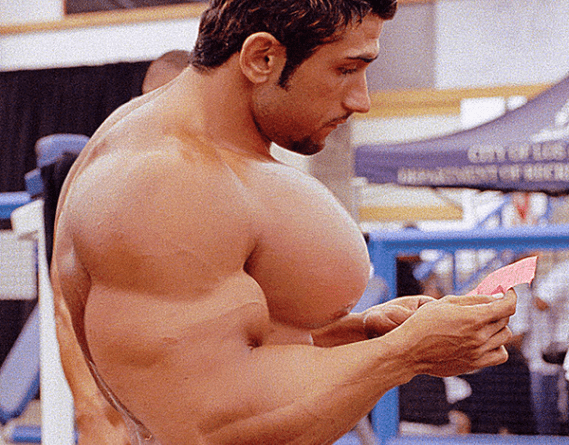
One of the biggest problems is when an implanted muscle looks unnatural. This is especially true for arms. A person might get huge bicep implants but have forearms that look like toothpicks, creating a “reverse Popeye” effect that is instantly recognizable as fake.
Beyond the look, there are serious medical risks. Here are some of the “ugly” complications:
- Capsular Contracture: This is one of the more common issues, where the scar tissue around the implant hardens and squeezes it. This can cause pain and distort the shape of the muscle.
- Implant Rupture or Shifting: Though solid silicone implants don’t “leak,” they can shift out of position, requiring another surgery to correct.
- Hematoma or Seroma: These are collections of blood (hematoma) or fluid (seroma) that can form around the implant after surgery, causing swelling and discomfort.
- Infection: As with any surgery, there is a risk of infection that could, in the worst cases, require the implant to be removed.
So, Is It Right to Have Muscle Implants?
The answer really depends on who you are. There isn’t a single “right” response because everyone has their own set of ethics. In my professional opinion, muscle implants are cheating when used for active bodybuilding competition.
The sport already has a level playing field with anabolic use in the tested divisions of the IFBB. Implants, like site enhancement oils, cross a line by adding volume that isn’t muscle tissue. You didn’t earn it.
You could have a lean individual get implants in their chest, arms, delts, and calves and walk on stage with an impressive-looking physique they never truly built. That fundamentally undermines what bodybuilding is about. For that reason, I don’t believe muscle implants belong on a competitive stage.
However, for the average person seeking confidence, correcting an imbalance, or overcoming genetics, it’s a personal choice. If that’s what someone feels they need to do, then that’s their journey.
FAQs About Muscle Implants
How much do muscle implants cost?
The cost varies widely based on the surgeon, location, and specific procedure. On average, you can expect pectoral implants to cost between $9,000 and $15,000, while calf implants typically range from $7,000 to $12,000. These prices usually include the surgeon’s fee, anesthesia, and facility costs.
How long is the recovery from muscle implant surgery?
Initial recovery often takes one to two weeks for swelling and bruising to subside. Most surgeons recommend avoiding any strenuous activity, especially lifting weights that target the implant area, for at least four to six weeks to allow for proper healing and to prevent the implant from shifting.
Can you still lift weights with muscle implants?
Yes, after you are fully recovered, you can resume weightlifting. However, many people report that they need to adjust their technique. Some find that certain exercises, like a heavy bench press with pectoral implants, feel different. There is also a long-term risk of implant displacement with extremely heavy lifting, so it’s a good idea to consult with your surgeon about any limitations.
Do muscle implants feel real?
Modern solid silicone implants are designed to feel very similar to a flexed, toned muscle. When placed correctly under the existing muscle tissue, they can feel quite natural to the touch. However, they do not contract or change shape like a real muscle, which is why they can sometimes look unnatural when a person is moving or flexing.


*Disclosure: This article may contain affiliate links or ads, which means we earn a small commission at no extra cost to you if you make a purchase through these links. These commissions help support the operation and maintenance of our website, allowing us to continue producing free valuable content. Your support is genuinely appreciated, whether you choose to use our links or not. Thank you for being a part of our community and enjoying our content.
PLEASE CONSIDER SHARING THIS ON YOUR SOCIAL MEDIA TO HELP OTHERS LEARN MORE ABOUT THIS TOPIC.