

6 Reasons Why Bodybuilding Fails as A Sport
As a certified strength and conditioning coach and sports nutritionist, I’ve dedicated my life to the art and science of building the human body. I love this sport. But let’s be honest, many people argue bodybuilding fails to be a sport, while others defend it passionately. Who’s right?
What is it about bodybuilding that keeps it from hitting the mainstream like other professional sports? Why don’t we see more people glued to their screens for the Mr. Olympia?
There’s a reason for the disconnect from every other sport out there. In my years of experience, I’ve identified several key factors. Here are my six reasons why bodybuilding fails as a mainstream sport.
Disclaimer: This article is for informational purposes only and is not meant to treat or diagnose any condition. It is recommended that you speak with your doctor before starting any exercise program, changing your daily nutrition, or adding any supplements to your regimen.
Table of contents
Key Takeaways
- Drug Use: The widespread and often open use of performance-enhancing drugs (PEDs) creates a significant barrier to mainstream acceptance and Olympic consideration.
- Subjective Judging: Unlike sports with clear scoring, bodybuilding relies on judges’ opinions, leading to controversy and confusion for casual viewers.
- Niche Appeal: The extreme physiques of “mass monsters” are often unrelatable and unappealing to the general public.
- Financial Constraints: Bodybuilding lacks the massive promotional budgets of leagues like the NFL or NBA, relying heavily on supplement company sponsorships.
- Lack of Star Power: Top bodybuilders rarely achieve the household-name status of athletes like Michael Jordan or Tiger Woods.
- Limited Media Exposure: The sport is largely confined to pay-per-view streams and niche media, failing to capture a broad television audience.

6 Reasons Bodybuilding Fails to Be Considered a “Real” Sport
Below are six valid reasons why professional bodybuilding struggles for mainstream acceptance and why many feel it fails to be called a real sport for athletes.
1. The Drug Dilemma
Let’s address the elephant in the room first. The perception of rampant drug use is perhaps the biggest reason bodybuilding fails in the public eye. While many pro sports leagues have issues with performance-enhancing drugs (PEDs), bodybuilding is often seen as the most abusive.
The International Olympic Committee (IOC) explicitly prohibits steroids, which is a primary reason bodybuilding is not an Olympic sport. This creates a major hurdle for legitimacy. The main IFBB Professional League has faced scrutiny for its anti-doping policies. In fact, the World Anti-Doping Agency (WADA) declared the IFBB non-compliant with its code in October 2022, citing issues with its testing program and lack of oversight.
A pro-tip for fans is to understand the difference between federations. Organizations like the International Natural Bodybuilding Association (INBA) use strict WADA-compliant testing, while others do not prioritize it in the same way. The public sees the extreme physiques and assumes, often correctly, that they are not achieved naturally. This open secret keeps the sport on the fringes.
While athletes in other sports may use using steroids for recovery, bodybuilders often use a wider array of compounds to maximize muscle growth. This visual difference makes the drug use seem more pronounced compared to mainstream athletes, creating a significant public relations challenge.
2. The Challenge of Subjectivity
Another major issue is subjectivity. In most sports, you can look at a scoreboard and know who is winning. A touchdown is six points. A basket is two or three. In bodybuilding, the winner is decided by a panel of judges based on their interpretation of an ideal physique.
This ambiguity can lead to controversy. One of the most infamous examples is the 1980 Mr. Olympia, where Arnold Schwarzenegger won after a long retirement. Many competitors and fans felt his physique was not his best and that others, like Mike Mentzer, were more deserving, leading to allegations of political influence.
As three-time Mr. Olympia runner-up Kai Greene said in 2016, “Bodybuilding is an art; your body is the canvas, weights are your brush, and nutrition is your paint.” This perfectly captures the creative, yet subjective, nature of the sport.
Judges are looking for a combination of mass, definition, symmetry, and presentation. However, how each judge weighs these factors can differ, leading to inconsistent scoring. This lack of a clear, objective metric makes it difficult for casual viewers to follow and understand who is winning, which is a major reason bodybuilding fails to engage a wider audience.

3. A Niche and Extreme Industry
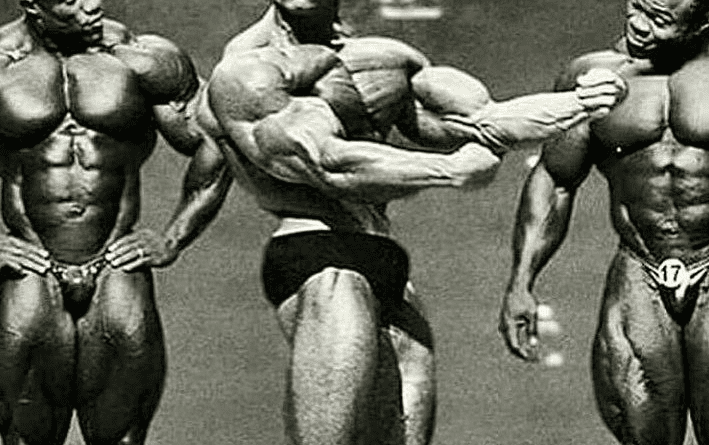
Let’s face it, professional bodybuilding is not mainstream. While health and fitness are popular, the “mass monster” era that began in the 1990s pushed physiques to an extreme that many people find unrelatable or even grotesque. This is one of the most significant bodybuilding fails in terms of public appeal.
To address this, the IFBB Pro League introduced new divisions to attract a broader audience. These have become incredibly popular.
- Men’s Physique: Introduced in 2012, this division focuses on a more aesthetic, beach-body look rather than extreme mass.
- Classic Physique: Started in 2016, this division is a nod to the “Golden Era” of the 1970s and 80s, rewarding symmetry and proportion over sheer size. It has quickly become one of the most popular categories.
Even with these additions, the sport struggles. High school and college athletics have a much larger fan base. Most spectators would rather watch a team sport than individuals in trunks posing under bright lights. It’s hard for the average person to connect with something they can’t relate to on some level.
4. Lack of Promotional Money
Have you ever seen a commercial for the Mr. Olympia during the Super Bowl? Probably not. The pinnacle of bodybuilding simply doesn’t have the marketing budget of major sports leagues like the NFL or NBA. The recent Super Bowl LIX, for example, drew a record 127.7 million viewers in the U.S. alone, a number bodybuilding can only dream of.
The financial disparity is also evident in prize money. The 2025 Mr. Olympia featured a record prize pool of nearly $2 million, with the winner taking home $600,000. While impressive, this pales in comparison to other individual sports like golf, where winners of major tournaments can earn several million dollars.

Bodybuilding competitions are heavily dependent on sponsorships from supplement companies to stay afloat. Without their presence at the expos, prize money would shrink, venues would get smaller, and the sport would struggle even more. This reliance on a single industry limits its growth potential.
5. Competitors Aren’t Household Names
Ask someone in your family to name the current Mr. Olympia. Now ask them who Michael Jordan is. The difference in name recognition is staggering. Even the most dominant bodybuilders rarely achieve mainstream fame.
The last time a bodybuilder truly became a global superstar was Arnold Schwarzenegger, largely thanks to the 1977 documentary “Pumping Iron.” That film gave the public a glimpse into the personalities and rivalries behind the muscle, but no similar cultural event has happened since.
Today’s top competitors, like five-time Classic Physique Olympia champion Chris Bumstead, have massive social media followings but still lack broad public recognition. People don’t understand the scoring, the lifestyle, or the immense dedication required. There are no recreational bodybuilding leagues or “pick-up games” after school. For most of the world, the sport simply isn’t on the radar.
6. Bodybuilding Isn’t on Network Television
The core of the issue is that watching a bodybuilding competition isn’t seen as exciting television for a general audience. There are no last-second touchdowns or buzzer-beater shots. It’s a methodical presentation of physiques.
Even niche sports like the World’s Strongest Man or the CrossFit Games have more dynamic action. Heck, The World Series of Poker is on ESPN. History has shown that attempts to make bodybuilding more “entertaining” for TV often fail.
A prime example is the World Bodybuilding Federation (WBF), created by the WWF’s Vince McMahon in the early 1990s. It tried to add wrestling-style personas and drama, but the 1992 championship only got around 3,000 pay-per-view buys, and the federation quickly collapsed.
Today, the biggest shows like the Mr. Olympia are available almost exclusively on dedicated pay-per-view streaming services. While this serves the hardcore fanbase, it prevents casual viewers from stumbling upon it and becoming new fans. Without that broad exposure, bodybuilding will likely remain a niche sport, appreciated by those of us who understand the incredible discipline it demands.
FAQs About Bodybuilding as a Sport
Is bodybuilding a sport in the Olympics?
No, bodybuilding is not currently recognized as an Olympic sport. The International Olympic Committee has not included it, primarily due to concerns over the widespread use of performance-enhancing drugs and the subjective nature of the judging.
How much do professional bodybuilders make?
Earnings for professional bodybuilders vary dramatically. While the winner of the 2025 Mr. Olympia earned $600,000, most competitors earn far less from prize money alone. A 2022 report showed the Ms. Olympia winner received $50,000, which is significantly less than her male counterpart. Many top pros make the majority of their income from sponsorships, social media, coaching, and guest appearances, not just competition winnings.
What is the difference between natural and open bodybuilding?
The main difference is drug testing. “Natural” bodybuilding federations, like the INBA/PNBA, require athletes to pass stringent drug tests that are often WADA-compliant to ensure they are not using steroids or other banned PEDs. “Open” bodybuilding, which includes the most famous competitions like the Mr. Olympia, is essentially untested, allowing athletes to use various substances to achieve maximum muscularity.


*Disclosure: This article may contain affiliate links or ads, which means we earn a small commission at no extra cost to you if you make a purchase through these links. These commissions help support the operation and maintenance of our website, allowing us to continue producing free valuable content. Your support is genuinely appreciated, whether you choose to use our links or not. Thank you for being a part of our community and enjoying our content.
PLEASE CONSIDER SHARING THIS ON YOUR SOCIAL MEDIA TO HELP OTHERS LEARN MORE ABOUT THIS TOPIC.