What Killed Women’s Bodybuilding? Who’s to Blame?
This is a topic that always stirs up strong opinions. As a trainer and sports nutritionist, I’ve seen firsthand the dedication female athletes pour into their craft. That’s why I was so confused when the IFBB Pro League decided to eliminate the Ms. Olympia, the pinnacle of women’s bodybuilding, a few years back.
Let’s be clear: women’s bodybuilding has never drawn the sheer number of competitors that divisions like Bikini do today. But the argument that it takes up too much time on a show schedule never really held water.
What truly feels unfair is the double standard. The league champions the massive, “circus freak” physiques on the men’s side of the sport while seemingly devaluing women who build impressive muscle. This guide will break down what really happened to women’s bodybuilding, who is to blame, and where this incredible sport stands today.
Table of contents
Key Takeaways
- The IFBB Pro League discontinued the Ms. Olympia competition after the 2014 show, citing a lack of fan interest and ticket sales.
- Promoter Jake Wood of Wings of Strength was instrumental in reviving the sport, creating the Rising Phoenix World Championships and eventually bringing the Ms. Olympia back in 2020.
- Andrea Shaw has dominated the sport since its return, winning five consecutive Ms. Olympia titles from 2020 to 2024.
- A significant prize money gap persists; the 2023 Mr. Olympia winner received $400,000, while the Ms. Olympia winner earned $50,000.
The Disappearance and Return of Ms. Olympia
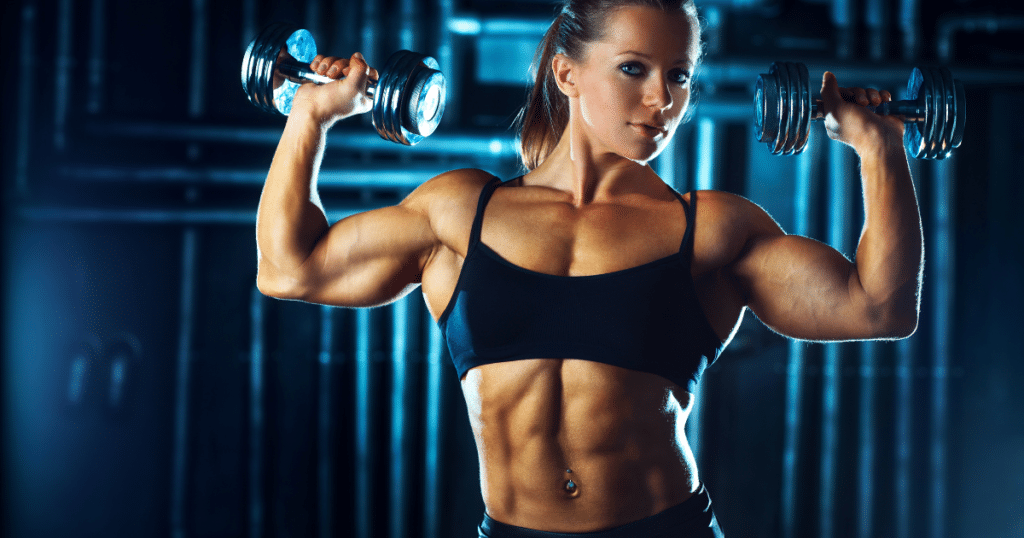
Let’s face it, sex appeal sells. The industry leaned hard into divisions like Bikini, where a more mainstream look is favored. But in doing so, we nearly erased a whole category of athletes who represent the pinnacle of hard work and dedication. These incredible female bodybuilders train to achieve a look that is powerful, muscular, and shredded. They don’t want to be bikini models; they want to be giants of the stage.
The official “death” came after the 2014 season, when the IFBB Pro League announced the end of the Ms. Olympia contest. The most cited reasons were declining ticket sales and a perceived lack of fan interest. This move pushed women with incredible muscle away from the sport’s biggest stage, leaving many to wonder about the skeletons in the closet of this industry. While many people enjoy the Bikini division, it often doesn’t receive the same level of serious athletic respect.
Critics often label women bodybuilders with harsh terms, suggesting they “look like men.” This ignores the fact that male bodybuilders face their own criticisms, often being called “cartoonish” or “too big.” The dedication is the same. Just as a male physique competitor can choose to move up to the 212 or Open class, a Women’s Physique competitor who wanted more size had nowhere to go. Her professional path was cut short, leaving her too big for her division with no stage to graduate to.
Related Article: This Chick Destroys Male IFBB Pro Bodybuilders!

This left a massive void. For years, the only real home for professional women’s bodybuilding was with Wings of Strength, an organization that stepped in to keep the sport alive.
Should We Blame the IFBB?
In my opinion, absolutely. The decision to cut the Ms. Olympia was a failure to support a whole segment of their athletes. It’s hard not to see it as discriminatory. Before the division’s return, I would have been hard-pressed to name active female bodybuilders beyond the legendary Iris Kyle, who had thankfully already cemented her legacy.
The IFBB’s shifting priorities were clear long before the 2014 cancellation. It wasn’t just one decision but a gradual change in direction. Here’s how they pushed the division out:
- The “20% Rule”: In 2005, the IFBB implemented a controversial directive asking female competitors to decrease their muscularity by 20%. This was a clear signal that the federation was moving away from the “mass monsters” that had defined the sport’s top tier.
- Creating Alternatives: The Women’s Physique division was introduced in 2013. This new category provided a home for muscular athletes but with a judging focus that was less about sheer size and more on aesthetics, effectively creating a ceiling for how massive an athlete could become.
- Prize Money Disparity: The financial incentives tell the real story. At the 2023 Olympia, the winner of the Men’s Open division took home $400,000. In stark contrast, the Ms. Olympia champion received just $50,000. This 8x difference shows a massive gap in how the two divisions are valued.
Iris Kyle had an incredible run, winning the Olympia title 10 times, including nine in a row, before the IFBB removed the division. She is, without a doubt, the greatest female bodybuilder to ever grace the stage.
Where is Women’s Bodybuilding Today?
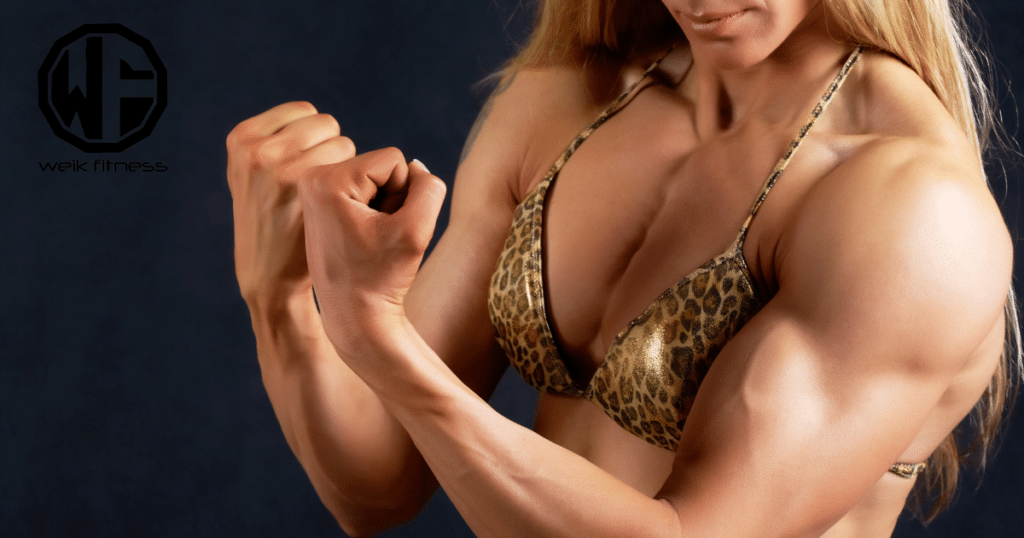
For a while, the sport was holding on by a thread, thanks almost entirely to Wings of Strength. Founded by Jake and Kristal Wood, the organization created the Rising Phoenix World Championships in 2015, which became the new “Super Bowl” for female bodybuilders. Without their intervention, the sport may have vanished completely.
But the story has a positive turn.
In a landmark move, Jake Wood’s company acquired the Olympia brand, and he made it a priority to bring back the sport’s most prestigious title. The Ms. Olympia contest made its triumphant return to the main stage in 2020.
Since its return, the division has been dominated by a new champion: Andrea Shaw. She has been an unstoppable force, winning the Ms. Olympia title every single year from 2020 through 2024, establishing a new era of greatness.
I believe the division belongs on the Olympia roster. If the IFBB is going to promote Men’s Physique and Bikini alongside the massive men of the Mr. Olympia, then the powerful women of bodybuilding deserve their home on that same stage. It’s a matter of equal opportunity, and thankfully, it seems the sport is finally back on the right track.
FAQs About Women’s Bodybuilding
Why was the Ms. Olympia contest brought back?
The Ms. Olympia was brought back in 2020 primarily due to the efforts of Jake Wood, the founder of Wings of Strength, after his company acquired the Olympia Weekend brand. He recognized the lack of a premier platform for female bodybuilders and made its reinstatement a priority.
Who is the current top female bodybuilder?
Andrea Shaw is the undisputed top athlete in women’s bodybuilding today. She has won the Ms. Olympia title every year since its return in 2020.
What is the difference between Women’s Bodybuilding and Women’s Physique?
The main difference is the level of muscularity. Women’s Bodybuilding rewards maximum muscle mass, size, and extreme conditioning. The Women’s Physique division, while still very muscular, places a greater emphasis on aesthetics, symmetry, and overall shape with less focus on achieving the absolute largest size possible.
Is there still a pay gap in bodybuilding?
Yes, a significant pay gap exists. At the most recent Olympia, the top prize for the Mr. Olympia (Men’s Open) was $400,000, while the prize for the Ms. Olympia winner was $50,000. While prize money has increased, the disparity remains one of the sport’s biggest challenges.


*Disclosure: This article may contain affiliate links or ads, which means we earn a small commission at no extra cost to you if you make a purchase through these links. These commissions help support the operation and maintenance of our website, allowing us to continue producing free valuable content. Your support is genuinely appreciated, whether you choose to use our links or not. Thank you for being a part of our community and enjoying our content.
PLEASE CONSIDER SHARING THIS ON YOUR SOCIAL MEDIA TO HELP OTHERS LEARN MORE ABOUT THIS TOPIC.