
Is the IFBB Wrong for Allowing 5 Year Olds to Compete?
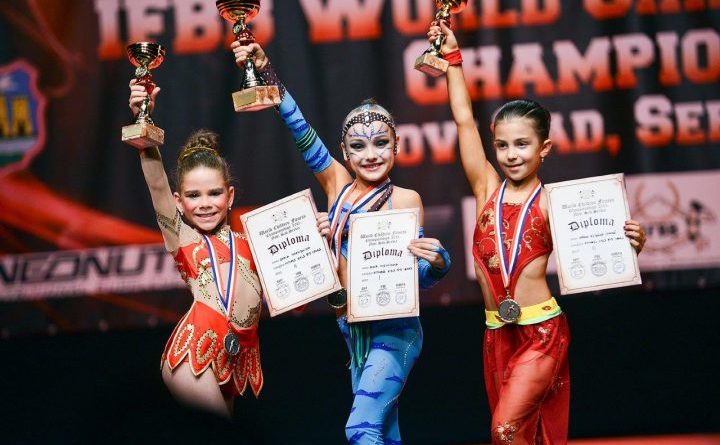
As a certified strength and conditioning coach with decades in the fitness industry, I’ve seen trends come and go. But something I saw online recently stopped me in my tracks. It was images of children, some as young as five, competing in IFBB International Amateur fitness competitions.
After some digging, I confirmed that the IFBB has established divisions for kids, with age categories that go all the way up to 15. While I have dedicated my entire career to promoting health and fitness, I find this practice deeply concerning and frankly, unacceptable.
In my experience, there is a fine line between encouraging a healthy lifestyle and pushing a child into a high-pressure, appearance-based competition. This guide will explain exactly why I believe these competitions cross that line and explore the potential risks involved.
Table of contents
Key Takeaways
- Developmental Risks: Extreme dieting and training for physique competitions can interfere with a child’s natural hormone production and physical development, a concern backed by major health organizations.
- Psychological Harm: Placing young children in competitions judged solely on their bodies can increase the risk of developing negative body image, body dysmorphia, and eating disorders down the road.
- Safety and Exploitation: Publishing photos of children in revealing poses online creates a digital footprint that can be exploited by predators, a serious concern highlighted by child safety organizations.
- Unhealthy Role Models: The adult divisions of the IFBB often showcase a very specific, surgically-enhanced look, which can create unrealistic and harmful beauty standards for impressionable children.

What Are the Health Risks for Children in IFBB Competitions?
The core issue with placing children in physique competitions is the immense pressure it puts on their developing bodies and minds. The dedication required for an adult IFBB competitor is intense, involving strict diets and rigorous training. Subjecting a child to this environment is a recipe for disaster.
Physical Development and Dieting
A child’s body needs adequate calories and nutrients to grow. Severe calorie restriction can disrupt natural hormone production, which is critical for proper development during puberty. Health authorities like the Mayo Clinic are clear that while supervised strength training can be beneficial for kids, bodybuilding and powerlifting are generally not recommended until after they have passed puberty.
A parent might obsess over their child’s physique, imposing strict diets and weight training that takes time away from simply being a kid. Unless prescribed by a doctor for a specific medical reason, children should not be on a restrictive diet.
Psychological and Emotional Impact
Think back to when you were 10. You were likely running around outside with friends, not worrying about your body fat percentage. Putting a child on stage to have their body judged against others can be incredibly damaging.
What happens if they don’t place well? This can easily lead to a negative body image. While specific studies on child bodybuilders are scarce, research on other aesthetic sports provides a clear warning.
Studies have shown that athletes in aesthetic sports, like gymnastics and figure skating, have a higher prevalence of eating disorders. The National Eating Disorders Association (NEDA) reports that up to 42% of female athletes in these sports exhibit disordered eating patterns.
It’s a very real possibility that judging a child’s physique could set them on a dangerous path toward conditions like anorexia or bulimia later in life.
Posing, Predators, and Unhealthy Ideals
The fitness industry often walks a fine line with sexual undertones, and the women’s bikini division is a prime example. The poses and presentation are designed to be alluring. Including these elements in a children’s competition is deeply problematic.
Inappropriate Posing for Children
Many of the routines for kids include mandatory poses that mimic the adult divisions, such as turning their back to the judges and pushing out their glutes. What responsible parent would find this acceptable for their young daughter or son?
This normalizes the objectification of their bodies at an age when they should be learning about health and strength in a completely different context. It teaches them that their value is tied to their appearance in a very adult and inappropriate way.
Online Dangers and Exploitation
We live in a dangerous world, and online predators are a constant threat. Contest photos from these IFBB events are published online for anyone to see. The National Center for Missing & Exploited Children (NCMEC) consistently warns parents about the risks of posting revealing images of their children online.
These images can be stolen, manipulated, and shared in illicit online communities. The decision by the IFBB to hold events that generate this type of content is baffling and ignores the clear safety risks involved.
My Professional Take: A Better Way to Promote Youth Fitness
People across the internet are debating this issue, with some seeing no harm in it. As a fitness professional, I want to be clear that my opinion will not be changing. The IFBB needs to remove these children’s competitions from their organization immediately.
The potential for physical and psychological harm far outweighs any perceived benefit. There is a world of difference between recreational, skill-based sports and a competition where children are judged solely on their physical appearance.
Some might argue that my position is hypocritical, as I am part of an industry that promotes ideal physiques. The key difference is that we are talking about children. Individuals under 18 are minors who cannot yet make rational, long-term decisions about their bodies and health.
The best approach is to encourage kids to be active and have fun. Teach them about healthy eating. Sign them up for sports like soccer, swimming, or martial arts where they can build skills, confidence, and friendships. Subjecting them to a competition based on appearance is reckless. I can only hope the IFBB recognizes the serious negative outcomes that can, and likely will, come from this.
FAQs About Kids Competing in the IFBB
What is a safe age for a child to start strength training?
According to the American Academy of Pediatrics, children as young as 7 or 8 can safely begin strength training if they have good balance and control, but the focus must be on light weights and proper technique under supervision. It should not be confused with bodybuilding, which involves heavy lifting and extreme dieting.
Are there any benefits to kids’ fitness competitions?
Proponents might argue that it encourages discipline and an active lifestyle. However, these benefits can be gained from nearly any traditional sport without the added risks of body image issues and inappropriate pressure associated with physique competitions.
What are some healthy alternatives to physique competitions for kids?
Focus on skill-based activities. Team sports like basketball and soccer teach cooperation. Individual sports like swimming, gymnastics, or martial arts build discipline and body awareness in a healthy, performance-oriented environment. The goal should be fun and skill development, not physical comparison.


*Disclosure: This article may contain affiliate links or ads, which means we earn a small commission at no extra cost to you if you make a purchase through these links. These commissions help support the operation and maintenance of our website, allowing us to continue producing free valuable content. Your support is genuinely appreciated, whether you choose to use our links or not. Thank you for being a part of our community and enjoying our content.
PLEASE CONSIDER SHARING THIS ON YOUR SOCIAL MEDIA TO HELP OTHERS LEARN MORE ABOUT THIS TOPIC.