

Allergy Medication Killing Your Gains?
It’s a frustrating trade-off. You’re trying to build a stronger body, but seasonal allergies leave you congested, sneezing, and feeling miserable without allergy medication.
So you reach for some over-the-counter allergy medication, and yes, it might be killing your gains in the gym.
Now, this doesn’t mean you should suffer through your workouts with watery eyes and a runny nose. That’s not a realistic or effective plan. But it is crucial to understand how common medicines like Allegra can impact your body’s ability to recover and grow after a tough training session.
This guide will break down the science, clarify the real risks, and give you actionable strategies to manage your allergies without sacrificing your hard-earned muscle.
Disclaimer: This article is for informational purposes only and is not meant to treat or diagnose any condition. It is recommended that you speak with your doctor before starting any exercise program, changing your daily nutrition, or adding any supplements to your regimen.
Table of contents
Key Takeaways
- A 2016 study found that very high doses of antihistamines, much larger than the recommended amount, reduced muscle recovery signals by about 27%.
- Standard, recommended doses taken for short-term relief are unlikely to have a significant negative impact on your muscle gains.
- The key issue is a chemical called histamine, which allergy medications block but is also vital for post-exercise muscle repair and blood flow.
- Consider timing your allergy medication several hours apart from your workout or exploring alternatives like steroid nasal sprays (e.g., Flonase) that act locally.
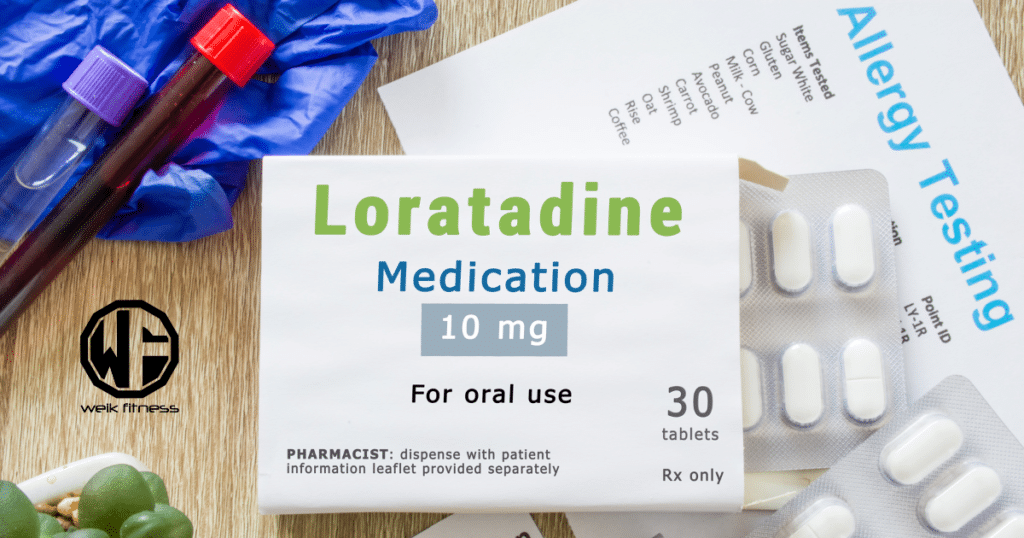
Is Allergy Medication Hurting Your Muscle Growth?
Yes, certain allergy medications can interfere with the processes that help your muscles grow and recover after exercise. The problem lies with a group of drugs called antihistamines, which work by blocking a chemical your body releases called histamine.
While histamine is responsible for your runny nose and itchy eyes, it also plays a critical role in muscle repair. After a hard workout, your body strategically uses histamine to increase blood flow to your muscles. This helps deliver nutrients and immune cells to repair the micro-tears in muscle fibers, a key step in building them back bigger and stronger.
When you take an antihistamine, you disrupt this important recovery signal.
What the Research Says
The main concern comes from a 2016 study conducted at the University of Oregon. Researchers found that giving participants high doses of antihistamines about an hour before a workout reduced the body’s natural recovery response.
Specifically, the response of nearly 750 genes involved in the recovery process was blunted. The study noted this led to an approximate 27% reduction in the overall recovery signal after exercise. By blocking histamine, the allergy medication limited blood flow and the critical process of muscle-protein synthesis, which is how your body rebuilds muscle fibers.
The Dose Makes the Poison: The study used dosages that were three times the daily recommended amount of fexofenadine (Allegra) and five times the recommended amount of cetirizine (Zyrtec). This context is critical. Taking more than the label directs is where the real risk to your muscle gains lies.
For those of us who follow the directions on the package, the impact is likely minimal. The researchers themselves noted that more studies are needed on recommended dosages. If you are taking a standard dose for a few days to get through the worst of your allergy symptoms, you should be fine.
Practical Strategies for Athletes with Allergies
In my experience as a sports nutritionist and trainer, you don’t have to choose between breathing and building muscle. You just need a smarter approach.
- Never Exceed the Recommended Dose: This is the most important rule. The research clearly shows the negative effects were found at extremely high doses. Taking more pills will not provide more relief, but it may hinder your recovery.
- Time Your Medication Wisely: Try to create a gap between your workout and your allergy pill. If you work out in the morning, consider taking your medication at night. This may help ensure histamine levels are more responsive when your body needs them for post-workout recovery.
- Explore Localized Treatments First: Not all allergy treatments affect your whole body. Steroid nasal sprays like Flonase or Nasacort work directly in your nasal passages. They are often highly effective for congestion and a productive day without systemically blocking histamine, making them a great first choice for athletes.
- Talk to Your Doctor: If over-the-counter options aren’t working or you’re concerned about long-term use, speak with your doctor. They might suggest other options, like prescription medications or allergy shots (immunotherapy), which can provide long-term relief.

FAQs About Allergy Medication and Muscle Growth
1. What’s the best time to take allergy medication if I work out?
The best practice is to separate the dose from your workout by several hours. If you train in the morning, taking a 24-hour non-drowsy antihistamine the night before is a good strategy. If you train in the evening, taking your pill in the morning would be better. The goal is to minimize the peak blocking effect during your post-exercise recovery window.
2. Are some allergy medications better than others for athletes?
For athletes, treatments that act locally are often a superior first choice. Corticosteroid nasal sprays like Flonase (fluticasone) or Nasacort (triamcinolone) reduce inflammation in the nose without affecting the histamine response throughout your body. This makes them less likely to interfere with muscle repair. Among oral options, second-generation antihistamines like Allegra, Zyrtec, and Claritin are preferred as they don’t cause drowsiness like first-generation options such as Benadryl.
3. Should I just stop taking my allergy medication?
No, you should not stop managing your allergy symptoms. Poor sleep, low energy, and breathing difficulties caused by severe allergies will harm your workouts far more than a properly dosed antihistamine ever could. The key is to use the medication correctly and explore all your options. Always follow the package directions and consult your doctor for personalized advice.
Source: Romero S, Hocker A, Mangum J, Lutterell M, Turnbull D, Struck A, et al. Evidence of a Broad Histamine Footprint on the Human Exercise Transcriptome. The Journal of Physiology. 2016.


*Disclosure: This article may contain affiliate links or ads, which means we earn a small commission at no extra cost to you if you make a purchase through these links. These commissions help support the operation and maintenance of our website, allowing us to continue producing free valuable content. Your support is genuinely appreciated, whether you choose to use our links or not. Thank you for being a part of our community and enjoying our content.
PLEASE CONSIDER SHARING THIS ON YOUR SOCIAL MEDIA TO HELP OTHERS LEARN MORE ABOUT THIS TOPIC.