


Good Sugar vs Bad Sugar | Do You Know the Difference?
Do you know the difference between a good sugar and a bad?
You know what I’m talking about… That sweet taste is something we all know and crave. But not all sugars are created equal, and understanding the difference is key to your health.
As a certified sports nutritionist, I help people fuel their bodies effectively, and that starts with knowing what you’re putting in. You’ll see sugars like glucose, sucrose, fructose, and lactose on ingredient lists. If a word ends in “-ose,” it’s almost always a type of sugar.
Unfortunately, I see way too many people eating foods are are leading them into a glucose gluttony. In fact, many of them may be pre-diabetic without actually being diagnosed.
Your body can use these for energy, or it can store them as fat. The real question is whether you’re dealing with a good sugar or a bad one. This guide will break down exactly how to tell the difference and make smarter choices for your nutrition goals.
Disclaimer: This article is for informational purposes only and is not meant to treat or diagnose any condition. It is recommended that you speak with your doctor before starting any exercise program, changing your daily nutrition, or adding any supplements to your regimen.
Table of contents
Key Takeaways
- Good Sugar Comes with Benefits: Naturally occurring sugars in whole foods like fruits and vegetables are packaged with fiber, vitamins, and minerals, which slow down sugar absorption and provide essential nutrients.
- Bad Sugar is “Added” Sugar: These are sugars added during processing, like high-fructose corn syrup and cane sugar. They offer calories with no nutritional benefits and are linked to health issues like obesity and type 2 diabetes.
- Check the Labels: Ingredients are listed by weight. If a form of sugar is one of the first few ingredients, the product is likely high in added sugar. Look for the “Added Sugars” line on the nutrition panel.
- Know the Limits: The American Heart Association recommends that men consume no more than 9 teaspoons (36 grams) of added sugar per day, and women no more than 6 teaspoons (25 grams).
Good Sugar
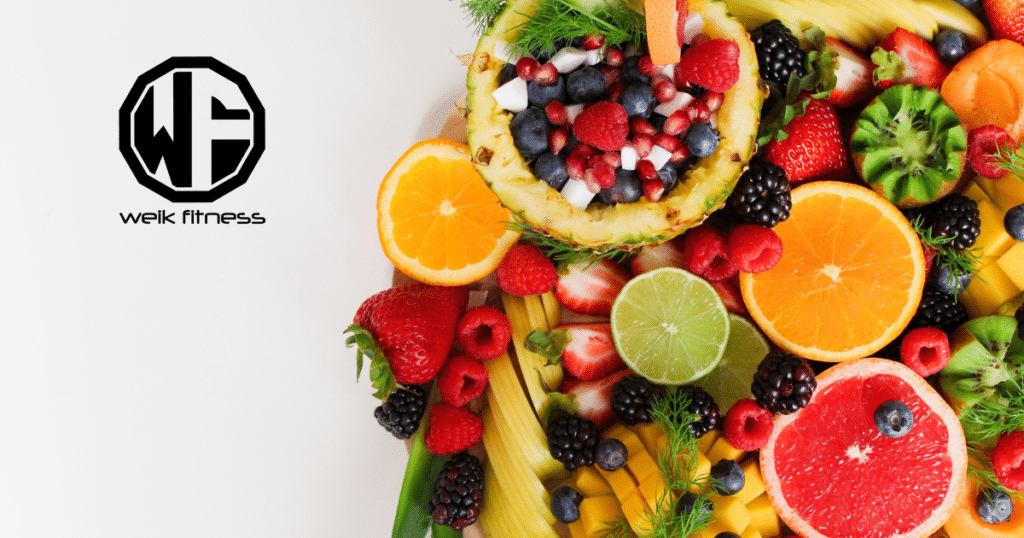
The term “good sugar” refers to naturally occurring sugars found in whole foods. Think of the fructose in an apple or the lactose in a glass of milk. Your body processes these sugars differently because they come as a complete package.
When you eat a piece of fruit, you’re not just getting fructose. You’re also getting essential vitamins, minerals, and, most importantly, fiber. Fiber is the key player here; it slows down the absorption of sugar into your bloodstream. This prevents the dramatic blood sugar spikes that you get from processed sweets.
Most fruits have a low glycemic index (GI), a measure of how quickly a food raises blood sugar. For example, apples have a GI of 36, and strawberries are around 25, both well below the “low” threshold of 55.
What are the Best Natural Sources?
- Fruits: Berries, apples, pears, and oranges are excellent choices. They are packed with fiber and antioxidants, like those in blueberries, which help protect your cells from damage.
- Vegetables: Even vegetables like carrots and sweet potatoes contain natural sugars. But they also provide vital micronutrients that support overall health and bodily functions.
- Nuts and Whole Grains: These contain small amounts of simple sugars but are also high in fiber and protein, which helps stabilize energy levels.
- Dairy: Plain yogurt and milk contain lactose. Opt for unsweetened versions to avoid added sugars.
A pro-tip I always share with clients is to pair your fruit with a protein or healthy fat source, like a handful of almonds. This combination further slows the glucose absorption and keeps you feeling full and energized longer. Additionally, this helps prevent the sudden spike in energy followed by quick drop. This roller coaster ride is what many people experience without understanding the cause.
Bad Sugar

“Bad sugar” is just another name for added sugars. These are sugars and syrups put in foods during processing or preparation. Think of high-fructose corn syrup, cane sugar, or dextrose. They are a major contributor to the obesity epidemic we face here in America and are linked to an increased risk of type 2 diabetes and heart disease.
The average American consumes about 17 teaspoons (71 grams) of added sugar every single day. That’s nearly double the recommended limit for men and triple for women. These sugars provide “empty calories,” meaning they have no nutritional value.
Related Article: Can You Use Monk Fruit Sweetener While on Keto?
Your brain runs on glucose, and when you consume added sugars, it gets a quick, intense hit. This causes a rapid spike in energy, followed by the inevitable crash, leaving you wanting more. This cycle is why you can experience sugar withdrawal if you try to cut back.
Where is Bad Sugar Hiding?
It’s not just in candy and soda. Added sugars are hidden in countless packaged foods you might not expect. Food manufacturers often use multiple types of sugar to disguise the total amount, listing them separately in the ingredients.
Some of the biggest offenders include:
- Condiments and Sauces: A single tablespoon of ketchup or barbecue sauce can contain around 4-5 grams of sugar. Many pasta sauces and salad dressings are also loaded with it.
- “Healthy” Breakfast Foods: Many breakfast cereals, granola bars, and flavored yogurts contain shocking amounts of added sugar. A single cup of low-fat flavored yogurt can have over 45 grams of sugar, exceeding your daily limit in one go.
- Beverages: Sugar-sweetened drinks like sports drinks, fruit juices, and flavored coffees are leading sources of added sugars. A 2025 study in Nature Medicine linked these beverages to millions of new cases of type 2 diabetes and cardiovascular disease globally each year.
Always read the entire ingredient list. Look for words like corn syrup, maltose, dextrose, molasses, and fruit juice concentrate. Better yet, choose whole foods like plain nonfat Greek yogurt and add your own fruit for flavor.

FAQs
Is honey or maple syrup a “good sugar”?
While honey and maple syrup are natural and contain some antioxidants and minerals, your body treats them as added sugars. They are still high in calories and should be used in moderation. Maple syrup has a slightly lower glycemic index than honey, which may make it a better choice for those monitoring blood sugar levels.
How much fruit is too much?
For most people, it’s very difficult to eat too much whole fruit. The Dietary Guidelines for Americans recommend about two cups of fruit per day. The high fiber and water content in fruit make you feel full, which naturally helps control portion sizes. Unless you have a specific medical condition, the benefits of the nutrients in fruit far outweigh the concerns about its natural sugar content.
What are the worst hidden sugar foods?
Besides the obvious sweets, watch out for savory processed foods. Jarred pasta sauces, breakfast cereals, salad dressings, and flavored yogurts are some of the most common culprits where sugar is added to enhance flavor and shelf life.
If you want to maintain your health, you need to be proactive. Making smart choices about sugar is a huge step in the right direction. By focusing on whole foods and reading labels carefully, you can fuel your body with the good stuff and avoid the pitfalls of bad sugar.


*Disclosure: This article may contain affiliate links or ads, which means we earn a small commission at no extra cost to you if you make a purchase through these links. These commissions help support the operation and maintenance of our website, allowing us to continue producing free valuable content. Your support is genuinely appreciated, whether you choose to use our links or not. Thank you for being a part of our community and enjoying our content.
PLEASE CONSIDER SHARING THIS ON YOUR SOCIAL MEDIA TO HELP OTHERS LEARN MORE ABOUT THIS TOPIC.