


My Experience with People Selling MLM Products
It seems like every year, more and more people are selling MLM products. They often appear in your social media feeds, promising a great business opportunity with a multi-level marketing company, or MLM.
An MLM is a direct-selling model. People involved have two ways to earn money: selling products themselves and recruiting a “team” of people to sell under them.
While some see it as a path to financial freedom, I don’t find the model credible. In my experience, they operate very similarly to pyramid schemes, a structure that has led to major lawsuits and hefty fines against companies like AdvoCare, which was hit with a $150 million judgment for being an illegal pyramid scheme.
*The following are my opinions based on my professional background and direct interactions with people from different MLM businesses who have tried to recruit me.
Table of contents
Key Takeaways
- Financial Risk is High: Most people who join MLMs do not make a profit. Research from the AARP Foundation found that 73% of people who participated in an MLM either lost money or made no money.
- The FTC is Watching: The Federal Trade Commission actively warns consumers about MLMs that operate as illegal pyramid schemes, focusing on recruitment over actual product sales to the public.
- Lack of Expertise: Distributors often lack any formal training, certifications, or education related to the products they sell, especially in the health and wellness space.
- Recruitment is the Real Goal: Many MLMs prioritize recruiting new members over selling products because the compensation structure heavily rewards building a “downline.”

Independent Contractors Selling MLM Products
Most people selling MLM products are classified as independent contractors, not employees. This is a critical distinction because it means you carry all the financial risk with none of the protections of a traditional job.
You are told you can “be your own boss,” but the reality is that the people at the very top of the pyramid are the ones who make significant money. A 2018 report published by the Federal Trade Commission showed that over 99% of MLM participants lose money.
This structure often pressures distributors to buy more inventory than they can sell just to meet sales quotas or qualify for bonuses. This was a central issue in the class-action lawsuit against LuLaRoe, where thousands of “consultants” were left with thousands of dollars of unsellable clothing.
The FTC Isn’t Holding Back on MLM Products and Pyramid Scheme Businesses
My view that many MLMs are pyramid schemes isn’t just a personal opinion, it’s a concern shared by federal regulators. The Federal Trade Commission (FTC) has a clear stance on this.
The FTC offers this guidance: “Steer clear of multilevel marketing plans that pay commissions for recruiting new distributors. They’re actually illegal pyramid schemes… It’s best not to get involved in plans where the money you make is based primarily on the number of distributors you recruit and your sales to them, rather than on your sales to people outside the plan who intend to use the products.”
In recent years, the FTC has cracked down. They levied a massive $200 million fine against Herbalife for unfair business practices and required the company to fundamentally restructure its business to focus on retail sales, not recruitment.
When someone opens with, “I have a great opportunity I’d like to share with you,” it’s often the start of a scripted sales pitch. They will tell you how amazing the business has been for them and how much you could earn, but these income claims are frequently misleading. The FTC specifically sent warning letters in 2022 to companies like Arbonne and It Works! for making unsubstantiated health and income claims.
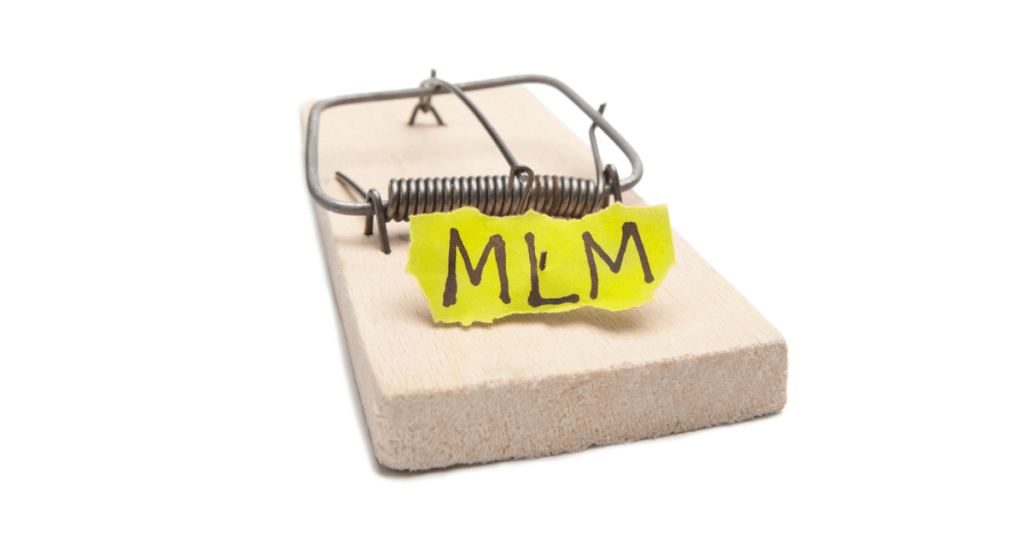
If they sense you are not interested in selling, the pitch shifts to just buying the product. They often send you a flood of information they barely understand, hoping you will purchase without asking tough questions.
Related Article: Plexus Worldwide Lawsuits & Plexus Slim Hype
The “Salesmen“
I use the term “salesmen” very loosely here. From my experience of over a decade in the supplement industry, I can spot misinformation from a mile away. As a certified sports nutritionist and strength coach, the lack of knowledge I’ve encountered is alarming.
Every single individual who has approached me from an MLM has been clueless about the science behind what they were selling. People pushing these products generally have no relevant degrees, certifications, or backgrounds. This is especially dangerous in the health and wellness space.
For example, I’ve seen distributors with zero nutritional training recommend specific supplement regimens to address serious health concerns. They make claims that are not supported by science and, in some cases, could be harmful. Companies like doTERRA have received warning letters from the FDA for their distributors making unsubstantiated claims that their essential oils could treat diseases.

Let me share a recent story. A fitness instructor I knew from years ago started selling for an MLM. She knew my background in the supplement industry and reached out, saying I’d be a perfect fit and could make a lot of money. What she really meant was that my expertise could make *her* a lot of money, because she didn’t know the first thing about her product line.
I politely declined. She kept pushing. Finally, I decided to ask some specific questions about the product’s ingredients, sourcing, and efficacy studies. She couldn’t answer a single one. After I broke down the flaws in her products and business model, she was so embarrassed she removed me as a friend on Facebook. My life will go on.
These sellers are often just repeating a script from a mentor. They aren’t passionate experts, they’re just trying to make a quick buck based on a promise. The sad reality is that they will likely find out they aren’t making much money and will quit, but not before recruiting others into the same cycle.
What’s the Take Home with Selling MLM Products?
If someone selling MLM products contacts you, my professional advice is to walk away. They are often playing a numbers game, hoping that if they contact 1,000 people, a small percentage will either buy the product or join their team.
The problem is that once people try the often-overpriced products, they rarely become repeat customers. They realize they were sold a story by a friend or family member.
My suggestion is simple. You do not need to challenge them on the product science as I did. Just politely decline their offer and move on. Don’t second-guess your decision. Your sanity and your wallet will thank you for it.
FAQs About MLM Products
How can you tell an MLM from an illegal pyramid scheme?
According to the FTC, the key difference is the focus. A legitimate MLM makes money from selling products to people who actually use them. An illegal pyramid scheme focuses on making money from recruiting new members, who are then pressured to buy inventory and recruit even more people.
What percentage of people actually make money in MLMs?
The numbers are grim. A comprehensive report on MLM profitability published by the FTC concluded that 99% of recruited sellers lose money in an MLM venture. An AARP Foundation study also found that only 25% of participants made a profit at all.
Are MLM products safe or effective?
This varies wildly. Some products may be perfectly fine, but they are often overpriced compared to similar items you could buy in a store. The bigger issue is the unsubstantiated health claims. As a fitness and supplement expert, I always advise people to be skeptical of products sold by individuals with no scientific or nutritional background making bold promises.


*Disclosure: This article may contain affiliate links or ads, which means we earn a small commission at no extra cost to you if you make a purchase through these links. These commissions help support the operation and maintenance of our website, allowing us to continue producing free valuable content. Your support is genuinely appreciated, whether you choose to use our links or not. Thank you for being a part of our community and enjoying our content.
PLEASE CONSIDER SHARING THIS ON YOUR SOCIAL MEDIA TO HELP OTHERS LEARN MORE ABOUT THIS TOPIC.