

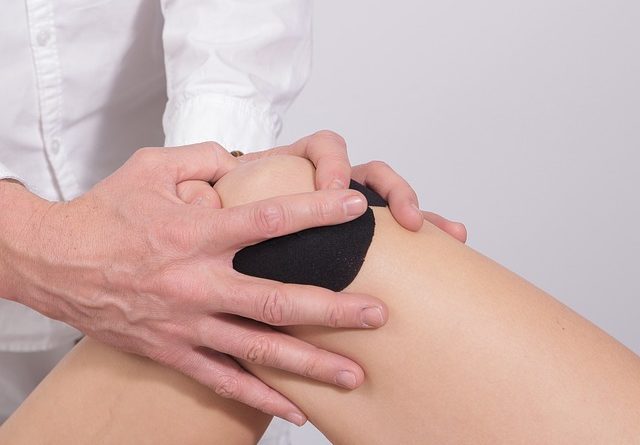
Don’t Ignore Knee Pain — Things Might Not Get Better
That nagging knee pain you’re feeling might be more than just a simple ache. As a strength and conditioning coach, I’ve seen firsthand how ignoring it can be a big mistake, because that pain is often just a symptom of a bigger issue brewing beneath the surface.
Knee pain can stem from many causes. Some are minor issues that are easy to fix, while others can be severe problems that require professional treatment or even surgery.
One thing is nearly certain: if you ignore your knee pain for too long, the underlying cause will likely get worse. This guide will help you understand what your symptoms might mean and what steps you can take to get back on your feet for good.
Disclaimer: This article is for informational purposes only and is not meant to treat or diagnose any condition. It is recommended that you speak with your doctor before starting any exercise program, changing your daily nutrition, or adding any supplements to your regimen.
Table of contents
What if Your Doctor Finds Something?
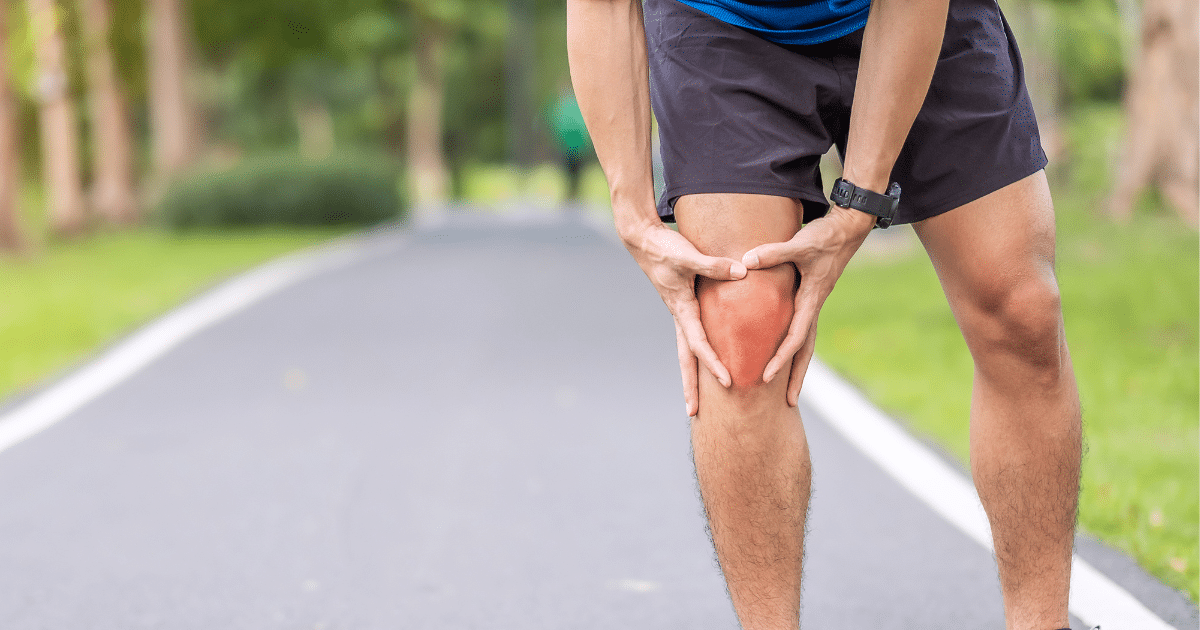
A doctor will use specific diagnostic tools to get a clear picture of what’s happening inside your knee. An X-ray is often the first step to check for fractures or arthritis. For a more detailed view of soft tissues, like ligaments and cartilage, they will likely order an MRI, which is the gold standard for diagnosing issues like a meniscus tear or an ACL injury.
The knee is a complex joint with multiple ligaments, tendons, and two C-shaped pieces of cartilage called the meniscus that act as cushions. An injury can affect any of these parts.
Some of the most common diagnoses I see in my clients include:
- Patellofemoral Pain Syndrome: Often called “runner’s knee,” this causes pain at the front of the knee, around the kneecap.
- Meniscus Tears: Very common, especially in sports that require twisting. The Cleveland Clinic notes these tears can happen to anyone, even from just squatting down.
- Tendonitis: Inflammation of a tendon, often from overuse. Patellar tendonitis is a frequent complaint among athletes who do a lot of jumping.
- Osteoarthritis: A degenerative condition where the cartilage wears down over time, affecting millions of adults.
Letting a knee injury go untreated can turn a minor issue, like a small cartilage tear, into a major problem that requires more intensive intervention.
Common Knee Pain Symptoms
The type of knee pain you feel provides important clues about the injury. A dull ache might suggest one issue, while a sharp, shooting pain points to another. The location of the pain and other symptoms like swelling or irritation are also key indicators.
Here are some common symptoms and what they might mean:
| Symptom | Potential Cause |
|---|---|
| Popping, locking, or catching sensation | Often a sign of a meniscus tear. |
| Instability or feeling like the knee will “give out” | Commonly associated with an ACL or other ligament injury. |
| Pain and stiffness, especially in the morning | A classic symptom of osteoarthritis. |
| Pain that worsens when going up or down stairs | Frequently points to Patellofemoral Pain Syndrome. |
If your knee locks in place and you cannot bend or straighten it, you should see a doctor immediately. This could indicate a piece of torn cartilage is blocking the joint mechanism.
The way the injury happened often determines the damage. A sudden twist can tear the meniscus, while a direct impact or hyperextension can injure the ligaments. In severe cases, like a car accident or a bad fall during contact sports, knee surgery might be the only option. However, this is typically reserved for catastrophic damage to the joint.

Give Yourself a Speedy Recovery and Rid Yourself of Knee Pain for Good
Once you have a diagnosis, the goal is to recover quickly and effectively. Modern injury management has moved beyond simple rest. Experts now often recommend the POLICE principle: Protection, Optimal Loading, Ice, Compression, and Elevation. The “Optimal Loading” part is key, as it emphasizes gentle movement to promote healing rather than complete immobilization.
Your doctor or physical therapist will guide you, but here are some powerful tools for recovery:
- Find the Right Brace: Not all braces are the same. A simple compression sleeve can help with swelling, but a hinged brace offers more stability for ligament injuries. Look for the best brace for your knee injury based on professional advice.
- Use Cold Therapy: Applying ice packs helps reduce inflammation and numb the pain. Many users on forums like Reddit suggest using flexible gel packs that conform to the knee for better results.
- Allow for Proper Rest: Rest doesn’t mean sitting on the couch for weeks. It means avoiding activities that strain the knee while incorporating prescribed therapeutic exercises. Not allowing your body to heal fully puts you at a higher risk of re-injury.
Throw on Your Running Shoes to Prevent Knee Pain?

For years, many people believed running was bad for the knees. However, new research shows that running can actually help reduce knee inflammation and pain. A landmark study from Brigham Young University (BYU) measured inflammation markers in the knee joints of healthy men and women aged 18 to 35.
Researchers found that two specific inflammatory markers, cytokines named GM-CSF and IL-15, decreased in concentration after just 30 minutes of running. When the same fluids were tested without running, the inflammation markers stayed at the same levels.
One BYU researcher concluded, “What we now know is that for young, healthy individuals, exercise creates an anti-inflammatory environment that may be beneficial in terms of long-term joint health.”
This suggests that exercise like running may help reduce the risk of degenerative joint diseases like osteoarthritis, which affects an estimated 32.5 million adults in the US according to the CDC. By strengthening the muscles around the joint and promoting an anti-inflammatory state, you can better protect the cartilage from breaking down.
Another researcher emphasized that the study suggests exercise can be a form of medicine. While this research focused on healthy individuals, it offers hope for keeping active people moving without knee problems later in life.
Can a Sugar Injection Cure Your Knee Pain? I Kit-Kat You Not!

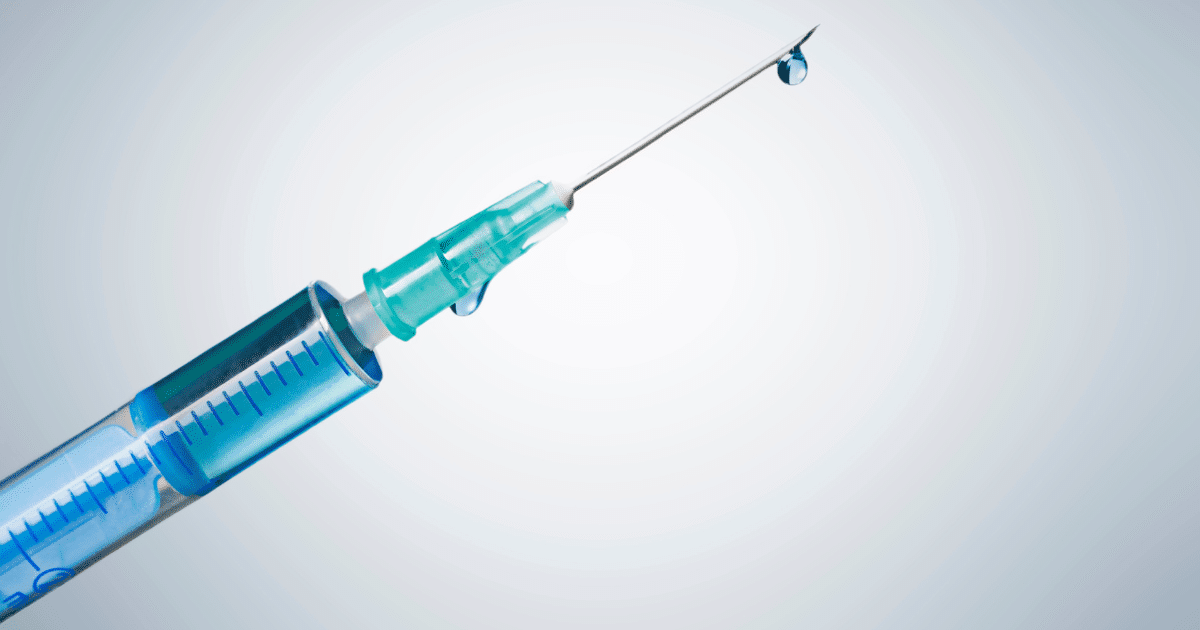
When painkillers and physical therapy aren’t enough, some people explore alternative treatments. One that has gained attention is Prolotherapy, which involves injecting a dextrose (sugar) solution into the area around the joint. It sounds strange, but it’s a real medical procedure.
This is different from the corticosteroid or hyaluronic acid injections athletes sometimes get. Prolotherapy is a form of regenerative injection therapy designed to trigger the body’s natural healing processes. The theory is that the dextrose solution creates a mild, localized inflammation, which in turn stimulates the body to repair and strengthen damaged ligaments and tendons.
Research has shown some promising results for knee osteoarthritis. A 2020 meta-analysis published in the journal *Orthopaedic Surgery* found that dextrose prolotherapy was effective in reducing pain and improving function in patients with knee osteoarthritis. However, it’s typically used as a later option after conventional methods have been tried. Prolotherapy must be done by a trained professional, so don’t even think about creating a home remedy.
Do Sugar Injections Really Work?
The medical community is still evaluating where Prolotherapy fits in the treatment landscape. While some studies are positive, it’s not yet considered a first-line treatment. Most doctors still recommend focusing on weight loss, physical therapy, and anti-inflammatory medications to manage conditions like osteoarthritis before trying injection therapies.
Participants in studies have reported less pain, better range of motion, and improved function after receiving Prolotherapy. The injections in these studies were mostly dextrose, though some included a sodium solution or an anesthetic like lidocaine.
One challenge for researchers has been the lack of standardized protocols and large-scale studies. The American Academy of Orthopaedic Medicine supports its use by trained physicians, but more research is needed to determine which patients benefit most and what the optimal injection technique is.
As researchers have noted, “conservative therapies such exercises, physical therapy, oral analgesic medications and complementary therapies such as acupuncture and herbal treatment have marginal effectiveness.” Studies are still needed to clarify which injection therapy should be prioritized in clinical care.
For now, it’s best to view Prolotherapy as a potential option to discuss with your doctor if other treatments have failed. It may be a useful tool to have in your back pocket as a last resort to manage knee pain.
FAQs About Knee Pain
How long should I rest my knee after an injury?
The duration of rest depends entirely on the type and severity of your injury. For a mild sprain, a few days of reduced activity might be enough. For a more serious injury like an ACL tear, recovery can take months. Always follow the advice of your doctor or physical therapist, who will likely recommend “active recovery” with specific exercises to prevent stiffness and muscle loss.
Can my diet affect my knee pain?
Yes, absolutely. Eating a diet rich in anti-inflammatory foods can help manage pain associated with conditions like osteoarthritis. Foods like fatty fish (salmon, mackerel), nuts, leafy greens, and berries are known for their anti-inflammatory properties. Conversely, processed foods, sugary drinks, and red meat can increase inflammation.
When is surgery actually necessary for knee pain?
Surgery is typically considered when conservative treatments have failed to provide relief or when there is a significant structural injury. This includes complete ligament tears (like an ACL rupture), large meniscus tears that cause mechanical symptoms like locking, or advanced osteoarthritis where the cartilage is gone. A surgeon will make a recommendation based on your imaging results, symptoms, and lifestyle goals.


*Disclosure: This article may contain affiliate links or ads, which means we earn a small commission at no extra cost to you if you make a purchase through these links. These commissions help support the operation and maintenance of our website, allowing us to continue producing free valuable content. Your support is genuinely appreciated, whether you choose to use our links or not. Thank you for being a part of our community and enjoying our content.
PLEASE CONSIDER SHARING THIS ON YOUR SOCIAL MEDIA TO HELP OTHERS LEARN MORE ABOUT THIS TOPIC.