


Consumer Surveys: If You Aren’t Asking, You’re Going to Lose
What are people saying about your supplement brand? Are your products actually meeting their needs? Have you considered consumer surveys?
More importantly, who is your real customer, and why are they choosing you over the competition?
If you’re running a supplement company and not using consumer surveys to get these answers, you’re leaving growth on the table. In my two decades in the fitness and supplement industry, I’ve seen that the most successful brands are the ones who listen first.
This article will show you how to use consumer surveys to get the critical insights you need to win.
Table of contents
Key Takeaways
- Stop Guessing, Start Asking: Consumer surveys are your direct line to understanding customer needs, preferences, and brand perception. They replace risky assumptions with actionable data.
- Choose the Right Tools: Platforms like SurveyMonkey, Google Forms, and Typeform make it easy to create and distribute surveys. Use tools that fit your budget and technical needs.
- Incentivize for Better Results: Offering a small, relevant incentive, like a discount on a future purchase, can significantly boost your survey response rates.
- Turn Insights into Action: The goal of a survey isn’t just to collect data, it’s to make better business decisions. Use the feedback to refine products, improve marketing, and increase customer satisfaction.
What Are Consumer Surveys?
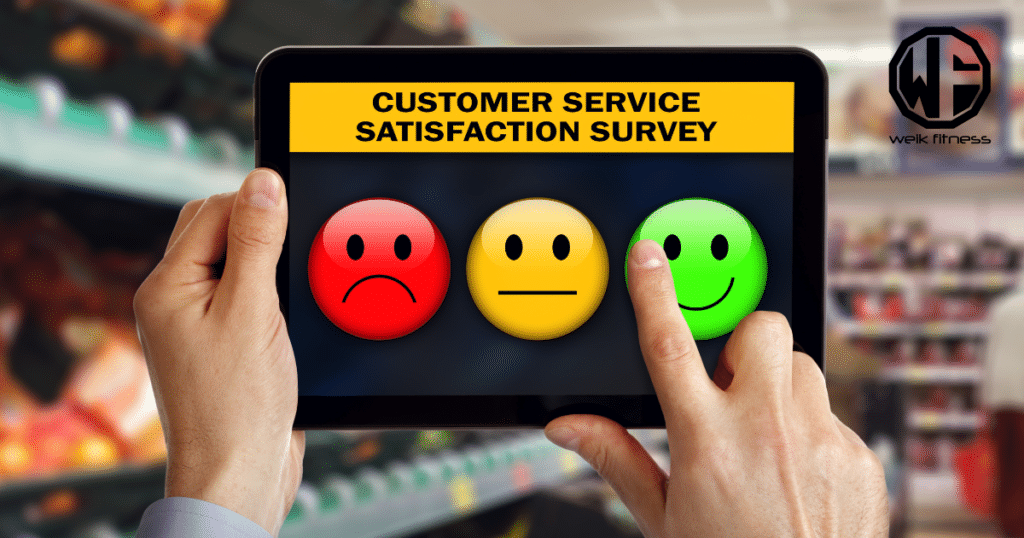
Consumer surveys are a research method used to gather direct feedback from your customers about their preferences, experiences, and behaviors. Think of them as a structured conversation with the people who matter most to your business.
Instead of guessing what flavors to launch or what your brand’s reputation is, you ask directly. This information is vital for making smarter decisions, improving your products, and ultimately, boosting customer loyalty.
Surveys can help you achieve several key goals:
- Market Research: Understand what trends are shaping the supplement industry and where your products fit in.
- Product Development: Get feedback on new product ideas, flavors, or formulas before you invest in a full-scale launch.
- Customer Satisfaction: Use specific metrics like the Net Promoter Score (NPS) to gauge how happy your customers are. A 2023 study by Qualtrics found that companies with high NPS scores tend to outgrow their competitors by more than two times.
- Brand Perception: Find out how people view your brand compared to competitors. Are you seen as premium, budget-friendly, or innovative?
You can gather this data through different formats, such as online questionnaires, one-on-one interviews, or focus groups. The most common and accessible method today is the online survey, distributed through email, social media, or directly on your website.
How Do You Use Consumer Surveys?

Effectively using consumer surveys is a process that goes from a clear goal to a concrete action plan. Simply sending out questions isn’t enough, you need a strategy to get meaningful results.
1. Define Your Objective
First, know exactly what you want to learn. Are you trying to decide on a new pre-workout flavor? Do you want to know why customer churn has increased? A clear goal helps you write focused questions. Vague goals lead to vague, unusable data.
2. Design a Clear and Concise Survey
Respect your customer’s time. Research from SurveyMonkey shows that survey abandonment rates increase significantly for surveys that take longer than 7 to 8 minutes to complete. Aim for 10-15 questions at most.
- Use a mix of question types: Multiple choice is great for quantitative data, while open-ended questions provide rich qualitative insights.
- Keep questions neutral: Avoid leading questions that might bias the answers. Instead of “Don’t you agree our new protein bar is delicious?” ask “How would you rate the taste of our new protein bar on a scale of 1 to 5?”
- Ensure a logical flow: Start with broader questions and then narrow down to more specific ones.
3. Distribute and Promote It
Get your survey in front of the right people. Your email list is often the best place to start. For broader market research, social media platforms like Instagram Stories offer poll features for quick, informal feedback.
Pro Tip: Offer a small incentive. A study from PeopleFish found that offering an incentive can boost response rates by an average of 10-15%. For a supplement brand, a 15% discount code or a free shaker bottle is a perfect way to thank customers for their time and encourage a future purchase.

4. Analyze the Data and Act
Once the responses are in, look for patterns and key takeaways. What are the most common themes in the open-ended answers? How did different customer segments, like men vs. women or new vs. repeat buyers, answer?
The final, most critical step is to turn these insights into action. If 70% of respondents say they want a plant-based protein powder, that should inform your product development pipeline. Share the findings with your team and create a plan to implement the feedback.
Consumer Surveys Provide Important Insight

While a brand can survive without using consumer surveys, doing so is like navigating without a map. It will eventually lead to costly mistakes and wasted resources. All it would have taken was simply asking your customers for their thoughts.
Too many supplement brands think they know what their customers want, but they are just guessing. By putting your finger on the pulse through consumer surveys, you position your brand to win. This is how you find out if your core consumers want a staple flavor like chocolate or are ready for something bold like bubble gum.
A classic Harvard Business School report by Clayton Christensen noted that over 30,000 new consumer products are launched each year, and a staggering 95% of them fail. A primary reason is a failure to understand the customer’s actual needs.
Your consumer’s behaviors will change over time. The creatine formula that was a bestseller five years ago might be losing ground to a competitor with a more bioavailable version today. You would be insane to think a product will sell in the same volume a decade from now without any adjustments.
Consumer surveys are your early warning system. They help you adapt to market shifts before they hurt your bottom line. They are essential for deciding on a new product or a new flavor extension that truly serves your audience.
How to Properly Implement Consumer Surveys

Getting started is easier than you think. You don’t need a massive budget or a dedicated research team. Modern tools make it accessible for any brand.
Here are a few practical ways to implement consumer surveys:
- Use Online Survey Tools: Platforms like Google Forms (which is free), SurveyMonkey, and Typeform allow you to build and launch professional-looking surveys in minutes. You can embed them directly on your website to capture feedback from visitors.
- Leverage Your Email List: Your email subscribers are an engaged audience. Send them a link to your survey. According to 2025 data from Campaign Monitor, the average click-through rate for emails is around 2-3%, so make your subject line compelling to get eyeballs on your survey link.
- In-Person Feedback: Don’t underestimate the power of face-to-face interaction. If you’re doing a demo at a retail store, talk to consumers. Ask them questions and take notes. This provides qualitative insights that online forms can miss.
- Partner with Retailers: Work with your retail partners. Ask them to help you gather insights by providing a simple, anonymous paper survey at the checkout counter for customers who purchase your products. This can help you understand why they chose your brand over a competitor on the same shelf.
Related Article: Boost Your Business Growth with a Blog Content Calendar
Getting this feedback is the first step to smart growth. When you know you are solving a real problem for your core consumer, you can launch a new product with confidence, knowing it already has a built-in audience waiting for it.
Ask and You Shall Receive… ANSWERS

The bottom line is simple: if you don’t ask questions, you won’t get answers. You have to be proactive. Customers are not going to randomly email you with their brilliant product ideas. They’ll just find another brand that already offers what they want.
I once worked for a company where the marketing team rarely left their office. Our sales team would bring back direct feedback from the field, telling them a certain flavor wasn’t selling or a product was clumping. The feedback was ignored until it was too late and sales plummeted. Only then did they ask why sales were down. Had they listened earlier, the problem could have been fixed.
Related Article: Why Lowering Your Price is a Terrible Business Move
Always remember who you are serving. Your goal is to make them happy and build unshakable brand loyalty. The last thing you want is a warehouse full of products that nobody wants anymore.
By using consumer surveys, you can make smart adjustments as the market changes, ensuring you always provide your customers with products they are excited to use.
FAQs About Consumer Surveys
How long should my consumer survey be?
Aim for a survey that takes 5-7 minutes to complete, which typically means 10-15 questions. If a survey is too long, people are more likely to abandon it, leaving you with incomplete data. Respect your customer’s time, and you’ll get better results.
What are the best tools for creating consumer surveys?
For most businesses, there are three great options. Google Forms is a fantastic free tool for simple surveys. SurveyMonkey offers more advanced features and analytics on its paid plans. Typeform is excellent for creating more conversational, engaging surveys that can feel less like a test and improve completion rates.
How can I get more people to take my survey?
Offering a relevant incentive is one of the most effective strategies. A discount code for your store, entry into a giveaway for a popular product, or a free sample can significantly increase participation. Also, make sure you clearly state how long the survey will take and how the feedback will be used to improve their experience.


*Disclosure: This article may contain affiliate links or ads, which means we earn a small commission at no extra cost to you if you make a purchase through these links. These commissions help support the operation and maintenance of our website, allowing us to continue producing free valuable content. Your support is genuinely appreciated, whether you choose to use our links or not. Thank you for being a part of our community and enjoying our content.
PLEASE CONSIDER SHARING THIS ON YOUR SOCIAL MEDIA TO HELP OTHERS LEARN MORE ABOUT THIS TOPIC.