


Childhood Obesity: A Growing Issue
Childhood obesity is a growing issue, and as a fitness and nutrition coach, I’ve seen the challenges families face firsthand. It’s not about placing blame, it’s about finding solutions.
The numbers can feel overwhelming. Recent data from the CDC shows that obesity prevalence was 12.7% among children aged 2-5, 20.7% among those 6-11, and a staggering 22.2% among adolescents aged 12-19. The statistics are scary, but they also highlight the urgency of taking action.
This guide will shed light on the realities of childhood obesity and give you practical, evidence-based strategies to help your family build a healthier future.
First, let’s clarify some terms. “Overweight” refers to excess body weight for a particular height, while “obesity” refers specifically to having an excess amount of body fat. Both are typically determined using Body Mass Index (BMI) percentile charts for children and teens.
Disclaimer: This article is for informational purposes only and is not meant to treat or diagnose any condition. It is recommended that you speak with your child’s pediatrician to gain more insight into their health, exercise, and nutrition to help prevent childhood obesity.
Table of contents
Key Takeaways
- Childhood obesity rates remain a significant public health concern, with CDC data showing nearly 1 in 5 children and adolescents in the U.S. affected.
- Key causes include a diet high in ultra-processed foods, increased screen time, and a lack of daily physical activity.
- Parents can make a difference by modeling healthy behaviors, making physical activity a family affair, and establishing consistent screen time limits. A great framework to follow is the “5-2-1-0” rule.
- Schools play a vital role by providing nutritious meal options and ensuring students have adequate time for physical education and recess, as outlined by programs from the USDA and Action for Healthy Kids.

Scary Childhood Obesity Statistics!
The statistics on childhood obesity paint a stark picture of a national health crisis. The data has evolved significantly over the years, and understanding the current landscape is the first step toward creating change.
Here are some of the most recent and impactful numbers you should know.
- According to the most recent data from the Centers for Disease Control and Prevention (CDC), the prevalence of obesity affects 14.7 million children and adolescents in the United States.
- Obesity during childhood significantly increases the risk of becoming an obese adult. The American Academy of Pediatrics notes that children with obesity are five times more likely to have obesity as adults.
- The health consequences are serious and can start early. Childhood obesity is linked to a higher risk of developing type 2 diabetes, high blood pressure, heart disease, and even certain types of cancer later in life.
- The financial impact is enormous. A 2022 study estimated that the annual healthcare cost of childhood obesity in the U.S. has reached $20 billion.
- Screen time is a major factor. The American Academy of Child and Adolescent Psychiatry reports that, on average, children ages 8-12 in the United States spend 4-6 hours a day watching or using screens.
- Physical education is declining. SHAPE America, the society for health and physical educators, reports that only about half of all students attend physical education classes at least once a week.
These figures show that this is a persistent issue. Without significant changes in our homes, schools, and communities, the long-term health of our children is at risk. Modern medicine may be extending lifespans, but the rising rates of obesity-related diseases threaten to reverse that progress.
If you’re wondering what a healthy weight range looks like for your child, the CDC provides comprehensive growth charts that pediatricians use. You can view them here:
http://www.cdc.gov/growthcharts/
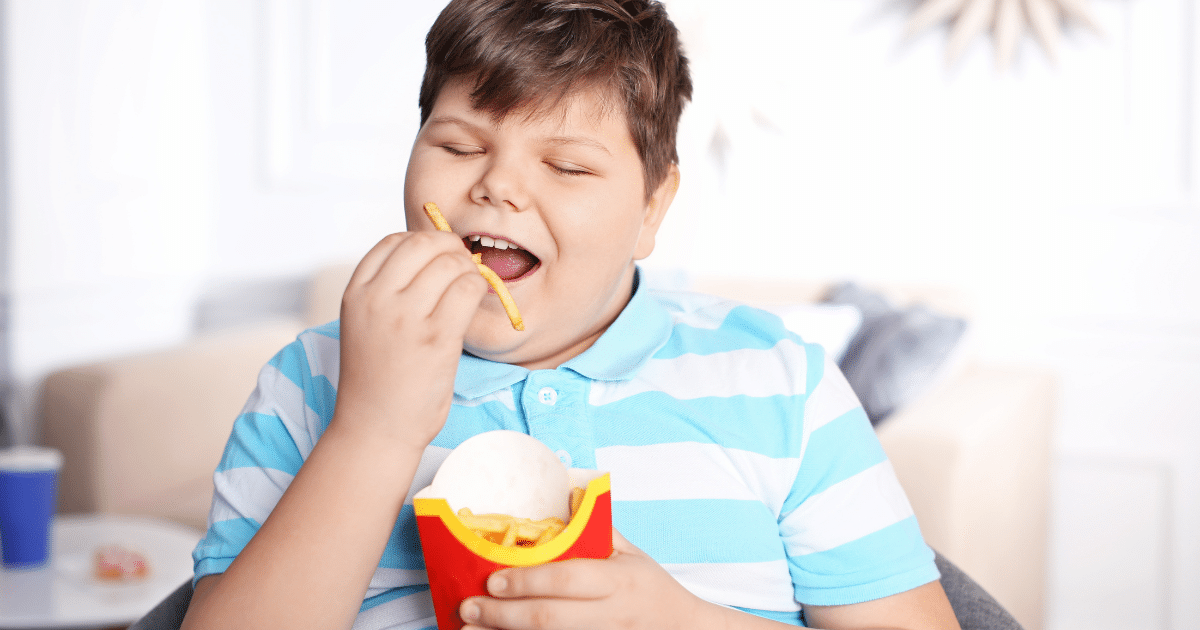
What Could Be Causing Childhood Obesity?
Childhood obesity is a complex issue with multiple contributing factors. While genetics can play a role, our modern environment is a powerful driver of this trend. Research from groups like the American Obesity Association points to several key areas that have shifted how our children eat, move, and live.
Key Environmental and Behavioral Factors
- Dietary Patterns: There’s an over-consumption of high-calorie, low-nutrient foods. A 2022 study published in JAMA found that ultra-processed foods now make up over 60% of the calories consumed by American children and teens.
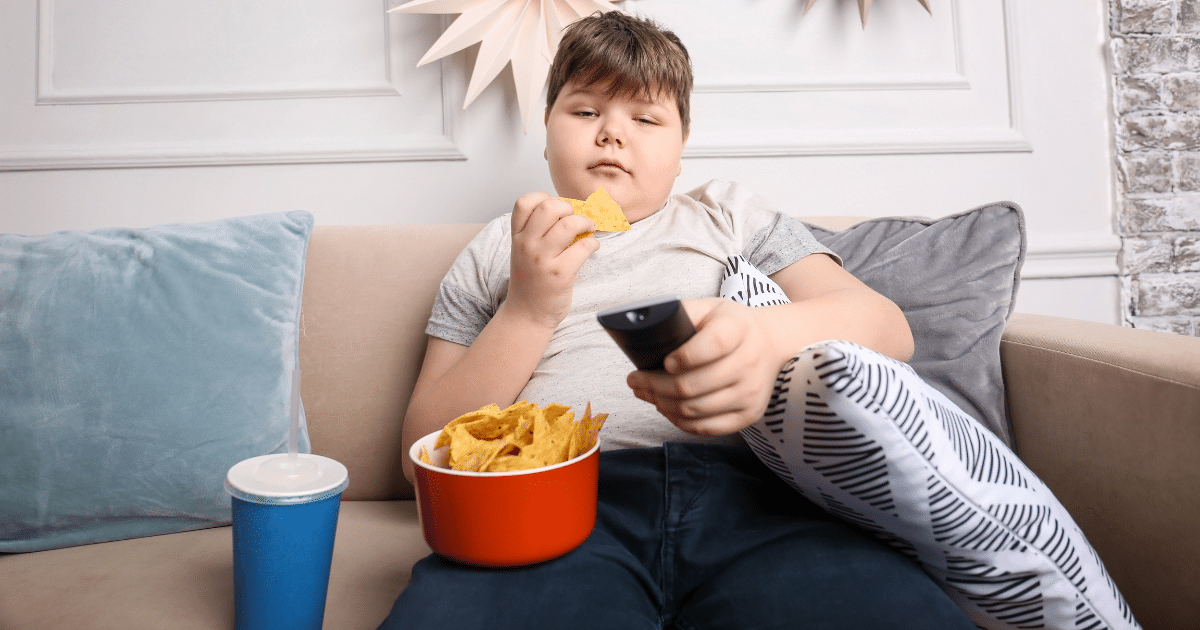
- Sedentary Behavior: Time that used to be spent playing outside is now often dedicated to screens. The widespread use of tablets, smartphones, and video games contributes to a less active lifestyle.
- Lack of Physical Activity: Many children don’t get the recommended 60 minutes of moderate-to-vigorous physical activity each day. This can be due to unsafe neighborhoods, a lack of access to parks, or reduced physical education in schools.
- Socioeconomic Status: Lower-income families often face greater challenges. They may live in “food deserts” with limited access to affordable, healthy groceries or lack safe places for children to play.
- Food Marketing: Children are heavily exposed to advertising for sugary cereals, fast food, and sweetened drinks. The American Psychological Association reports that children under 8 are unable to critically comprehend the persuasive intent of advertising.
Non-Changeable Factors
Genetics certainly have an influence. The CDC notes that if one parent has obesity, a child has a 50% chance of also developing obesity. If both parents have obesity, that risk climbs to 80%. However, genes do not determine destiny, and a healthy lifestyle can significantly mitigate these risks.
What Could Be Done to Prevent These Rates from Rising Even More?
As a parent, you are the most powerful role model in your child’s life. Preventing childhood obesity starts at home with a combination of balanced nutrition and consistent physical activity. The goal is to build healthy habits at a young age that will last a lifetime.
A great, easy-to-remember framework is the “5-2-1-0” rule, promoted by the American Academy of Pediatrics.
- 5: Eat 5 or more servings of fruits and vegetables per day.
- 2: Limit recreational screen time to 2 hours or less per day.
- 1: Get at least 1 hour of physical activity every day.
- 0: Drink 0 sugary drinks. Replace them with water or milk.
Beyond this simple rule, parents and families must work together. With schools cutting back on physical education, the responsibility increasingly falls on us to ensure our kids are active. Recess and gym class are not just about burning off energy, they are crucial for mental focus and physical development.
Remember, this is a journey for the whole family, not just the child. A supportive home environment is key to success. You can read more about the national trends here: US Obesity Rate Now Exceeds 40% of the Population.
What are Parents Saying About Childhood Obesity?
Parents across the country are concerned about their children’s health and well-being. Modern parenting comes with unique challenges, from battling screen time to finding affordable healthy foods. Recent surveys and reports reflect these struggles and highlight a strong desire for more support from schools and communities.
- A C.S. Mott Children’s Hospital National Poll on Children’s Health found that 1 in 3 parents of children ages 6-11 say their child is less physically active than they were as kids.
- The same poll revealed that a top barrier for parents is the stress of getting kids to unplug from devices, with 42% citing it as a major challenge.
- Many parents believe schools should play a bigger role. A study by the Robert Wood Johnson Foundation found that more than 70% of parents support stronger nutrition standards for all foods sold in schools.
- When the whole family participates in a healthy lifestyle, children are far more likely to adopt those habits. This means eating meals together and finding fun physical activities to do as a family unit.
- Encourage participation in structured activities your child enjoys, whether it’s a school sports team, a dance class, or a local recreational league.
The message is clear: parents want to do what’s best for their children but often feel they are fighting an uphill battle against modern lifestyle trends. Creating a healthy environment starts early by setting clear limits on screen time and making active play a daily priority.
What Do Schools Need to Be Doing to Make Sure Our Children’s Health is a Priority?
Since children spend a significant portion of their day at school, these institutions have a critical role in combating childhood obesity. It’s not just about what happens in the classroom, it’s about the entire school environment, from the cafeteria line to the playground.
The data shows a clear need for improvement. The CDC reports that nearly 40% of children don’t eat fruit daily, and about 35% don’t eat vegetables daily. At the same time, consumption of sugary drinks remains high. Schools can directly influence these numbers by making healthier choices the easier choices.
The USDA has long provided guidelines for school nutrition. A powerful framework called “Prescription for Change: Ten Keys to Promote Healthy Eating in Schools” was developed by a coalition of medical associations and the USDA. This plan outlines a comprehensive approach:
- Involve the entire community (students, parents, staff) in creating and implementing a school wellness plan.
- Secure adequate funding from local, state, and federal sources to support a healthy school environment.
- Integrate practical, behavior-focused nutrition education into the curriculum for all grade levels.
- Ensure school meals meet USDA nutrition standards while offering choices that appeal to a diverse student body.
- Provide all students with lunch periods long enough to eat and socialize without rushing, scheduled near the middle of the day.
- Design serving areas to be efficient, minimizing wait times so students have more time to eat.
- Create a pleasant and clean dining environment that values the social aspects of mealtimes.
- Encourage teachers, staff, and volunteers to act as healthy eating role models.
- If selling competitive foods (items sold outside of the main meal program), ensure they align with the Dietary Guidelines for Americans. For instance, offering fruits, yogurt, or nuts instead of candy and chips.
- Prioritize nutrition goals over profit-making when making decisions about food sales.
FAQs About Childhood Obesity
What is the difference between overweight and obese in children?
Both terms indicate a weight that is higher than what is considered healthy for a child’s height. Healthcare providers use Body Mass Index (BMI) percentile charts to make this distinction. A child with a BMI between the 85th and 94th percentile is considered overweight. A child with a BMI at or above the 95th percentile is considered to have obesity.
At what age should I be concerned about my child’s weight?
It’s important to focus on healthy habits at all ages. However, your child’s pediatrician will track their growth at every well-child visit. If they notice a rapid change in BMI percentile or if the percentile consistently trends upward into the overweight or obese range, they will discuss it with you. Open communication with your doctor is the best approach.
How can I talk to my child about their weight without causing harm?
Focus on health, not numbers on a scale. Use positive language centered on what our bodies can do. Frame conversations around “fueling our bodies with healthy foods” and “moving our bodies to feel strong and have fun.” Avoid using words like “fat” or “diet.” The goal is to build a positive body image and a healthy relationship with food and exercise.
Tackling childhood obesity requires a united effort from both parents and schools. The future health of our youth depends on the choices we make today. I hope you make the right one and help guide our children toward long, healthy, and active lives.


*Disclosure: This article may contain affiliate links or ads, which means we earn a small commission at no extra cost to you if you make a purchase through these links. These commissions help support the operation and maintenance of our website, allowing us to continue producing free valuable content. Your support is genuinely appreciated, whether you choose to use our links or not. Thank you for being a part of our community and enjoying our content.
PLEASE CONSIDER SHARING THIS ON YOUR SOCIAL MEDIA TO HELP OTHERS LEARN MORE ABOUT THIS TOPIC.