
5 Best Ready-to-Drink Protein Shakes
I’ve been on a mission to find the best ready-to-drink protein shakes each year, and I’m pretty sure I secured my top picks for this year.
Why do I love ready-to-drink protein shakes? They’re convenient. I can grab one walking out the door to simply down one when I need to meet my protein requirements for the day and am just short of hitting my daily protein needs.
I’ve even done a poll on whether consumers choose protein powder or RTD protein shakes. Take a look at the article to see the results (they may shock you).
As a certified sports nutritionist and strength coach, I have many of my clients and athletes looking for protein supplements, and I’m a huge fan of ready-to-drink options.
Here’s the thing though: the ready-to-drink protein shakes aisle looks simple until you actually start comparing labels. One bottle gives you clean macros, another adds vitamins and minerals, and a third tastes great but slips in more sweetness than you wanted.
Something you need to really focus on is taste and protein per serving when looking for the best ready-to-drink protein shakes. Also, if you train hard, track macros, or just want a dependable protein drink, you also need to look at calories, sugar, sweeteners, bottle size, and the actual protein source.
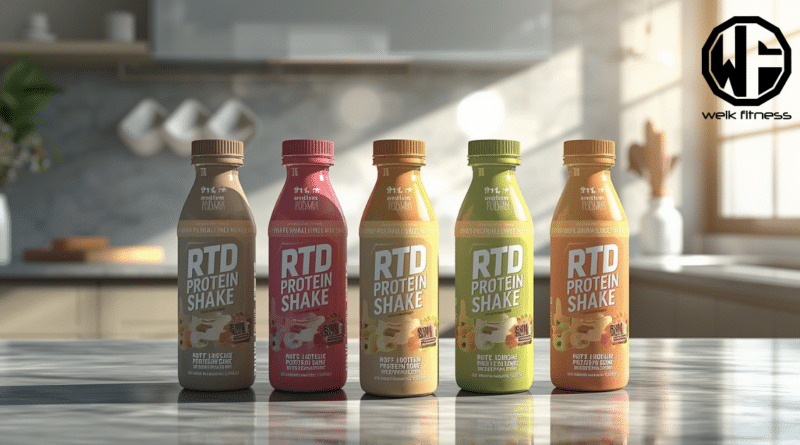
You’ll find flavored protein RTDs in just about any store. But the five we’re about to get into are the ones you should look for if you want to find the best protein shakes. They come in all flavors like chocolate protein, vanilla bean, and many more to support muscle growth and your goals.
This article is going to unpack and break down five strong picks, Optimum Nutrition, Pure Protein, RAW Nutrition, Quest Nutrition, and Premier Protein, then show you which one makes the most sense for post-workout recovery, a light meal replacement, or fast on-the-go fuel.
Disclaimer: This article is for informational purposes only and is not meant to treat or diagnose any condition. It is recommended that you speak with your doctor before starting any exercise program, changing your daily nutrition, or adding any supplements to your regimen.
Table of contents
- Key Takeaways
- Quick comparison at a glance of the best ready-to-drink protein shakes
- Why Should You Choose the Best Ready-to-Drink Protein Shakes or Top Protein Drinks?
- Optimum Nutrition RTD Protein Shake
- Pure Protein RTD Protein Shake
- RAW Nutrition RTD Protein Shake
- Quest Nutrition RTD Protein Sh ake
- Premier Protein RTD Protein Shake
- Which of These Best Ready-to-Drink Protein Shakes Is Your Pick?
- FAQs About the Best Ready-to-Drink Protein Shakes
Key Takeaways
- Most top RTD options in the U.S. now land between 24 and 30 grams of protein per serving, which is enough to make a real dent in daily protein intake after training or between meals.
- Pure Protein is the leanest macro play in this group, with 30 grams of protein at about 140 calories in its Rich Chocolate complete shake.
- Quest, Premier Protein, and RAW Nutrition each deliver 30 grams of protein, but they target different buyers: low carb, broad flavor variety, or cleaner premium ingredients.
- Optimum Nutrition stands out for a balanced profile, with 24 grams of protein, 1 gram of sugar, and 24 vitamins and minerals in an 11 fl oz carton.
- If you want a shake that can double as a meal replacement shake, check for more than protein. Calories, fiber, sweetness, and how full you stay matter just as much.
Quick comparison at a glance of the best ready-to-drink protein shakes
| Brand | Protein per Serving | Calories | Sugar | Main Protein Source | Best Fit |
|---|---|---|---|---|---|
| Optimum Nutrition | 24g | About 130 | 1g | Milk protein isolate, whey, casein | Balanced everyday use |
| Pure Protein | 30g | About 140 | Less than 1g | Milk protein, whey protein | Highest protein for the fewest calories |
| RAW Nutrition | 30g | 160 to 170 | 0g added sugar | Grass-fed whey protein isolate or milk protein, depending on the RTD | Premium, cleaner-label buyers |
| Quest Nutrition | 30g | About 170 | 1g | Milk protein concentrate, milk protein isolate | Low-carb macros |
| Premier Protein | 30g | 160 | 1g | Milk protein concentrate, calcium caseinate | Flavor variety and broad availability |
Why Should You Choose the Best Ready-to-Drink Protein Shakes or Top Protein Drinks?
When you shop for the best protein shakes, you’ve probably always gone with a whey protein powder because it’s the best bang for your buck (such as our picks on top protein powders on Amazon). And you’re not wrong. The cost is much lower than any of the best ready-to-drink protein shakes on our list.
But you choose ready-to-drink protein shakes for one main reason: they remove friction. You get measured protein, a fixed calorie count, and no scoop, shaker, or cleanup.
That matters more than it sounds.
A 2017 International Society of Sports Nutrition position stand still places active adults in a daily range of about 1.4 to 2.0 grams of protein per kilogram of body weight, so a bottle with 24 to 30 grams gives you a practical chunk of the day right away.
One useful rule from a recent U.S. bariatric nutrition handout is to look for roughly 150 to 220 calories, 15 to 30 grams of protein (20g seems to be a nice median), 5 grams of sugar or less, and no more than 5 grams of fat if you want a shake that works well as a light meal replacement.
That is also the key distinction most quick roundups miss. A shake can be high protein and still be the wrong pick for your goal if it is too sweet, too low in calories, or built from a protein source that does not sit well with you.
What makes ready-to-drink protein shakes convenient and good for on-the-go nutrition?
To clarify, since I’ve been tossing it around already… RTD means ready-to-drink, so you can toss a bottle in a gym bag, work tote, glove box, or office fridge and use it when a full meal is not realistic.
Most of the bottles in this guide come in compact 11 to 11.5 fl oz sizes, which are small enough to fit a cup holder and large enough to deliver a serious hit of high-quality protein.
That convenience is what turns a good nutrition plan into one you can actually follow. If your schedule is packed, a premixed protein shake can cover the gap between breakfast and training, or keep you from grabbing a pastry and coffee that leaves you underfed on protein.
- Before work: use one as a fast breakfast add-on with fruit.
- After lifting: get 24 to 30 grams of protein in minutes, not an hour later.
- During travel: keep shelf-stable cartons in your bag until you need them.
- At the office: use one as a structured snack instead of random vending-machine calories.
My practical take is simple: if a shake helps you hit your numbers on the days life gets messy, it earns its place, even if you still rely on whole foods for most meals.
How do ready-to-drink protein shakes support muscle recovery with high protein content?
High protein ready-to-drink protein shakes usually give you 24 to 30 grams of protein in one serving, which lines up well with the amount many lifters use after training. That makes them an easy bridge between the workout and your next full meal.
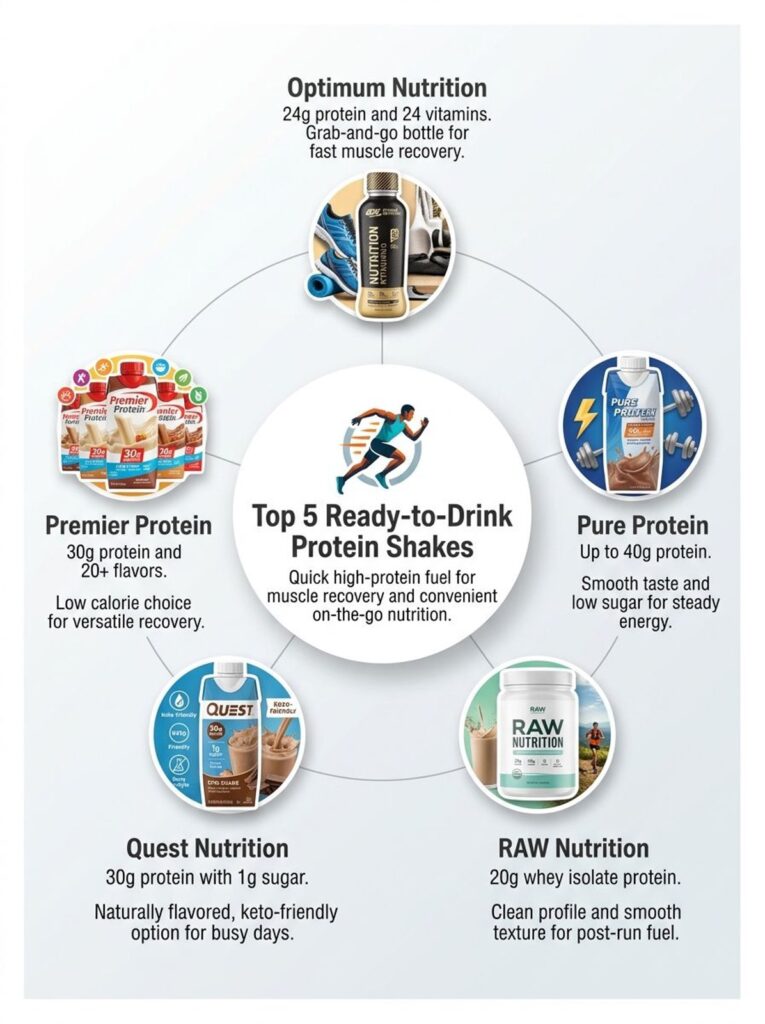
They also deliver the nine essential amino acids. That matters because your body cannot make those amino acids on its own, and they are part of what supports muscle protein synthesis and repair after hard training.
The action step here is straightforward. If you are using ready-to-drink protein shakes for post-workout recovery, pick one with at least 24 grams of protein, keep sugar low unless you specifically want extra carbs, and make sure the protein source is complete, such as milk protein, whey, or a well-built blend.
- For a quick recovery drink: 24 to 30 grams of protein is a strong target.
- For a light meal replacement: pair the shake with fruit, oats, or a protein bar if the bottle is only 130 to 170 calories.
- For sensitive stomachs: test dairy-based formulas at home first, especially if whey or milk usually gives you trouble.
What flavor options are available in ready-to-drink protein shakes?
Ready-to-drink protein shakes have moved way past plain chocolate and vanilla, even though those are still the safest buys if you care most about consistency.
Flavor choice is not just about taste. It often tells you what kind of formula you are getting, how sweet it will feel, and whether the brand is aiming at dessert-like satisfaction, coffee drinkers, or a cleaner sports nutrition profile.
- Classic flavors: Chocolate and vanilla flavors still dominate because they work well after training and mix well with coffee or ice.
- Coffee options: Optimum currently lists Café Latte, and Quest and Premier both have coffee-based options for people who want protein plus a morning boost.
- Dessert flavors: Premier is the clear leader here, with classics and rotating limited flavors that feel more like treats than standard shakes.
- Cleaner-tasting picks: RAW leans toward a milkshake profile with fewer flavor distractions, which appeals if you want your protein drink to feel simple.
- Plant-based alternatives: If dairy is the issue, brands like OWYN, Orgain, and Ripple give you ready to drink protein from peas and pumpkin seed instead of protein from milk.
A good shortcut is to buy a small pack first. Sweetener systems vary a lot. Premier and Quest lean harder into a sweet finish, while milk-based formulas like Optimum often taste a little cleaner and less syrupy.
But let’s dive deeper into each option.
Optimum Nutrition RTD Protein Shake
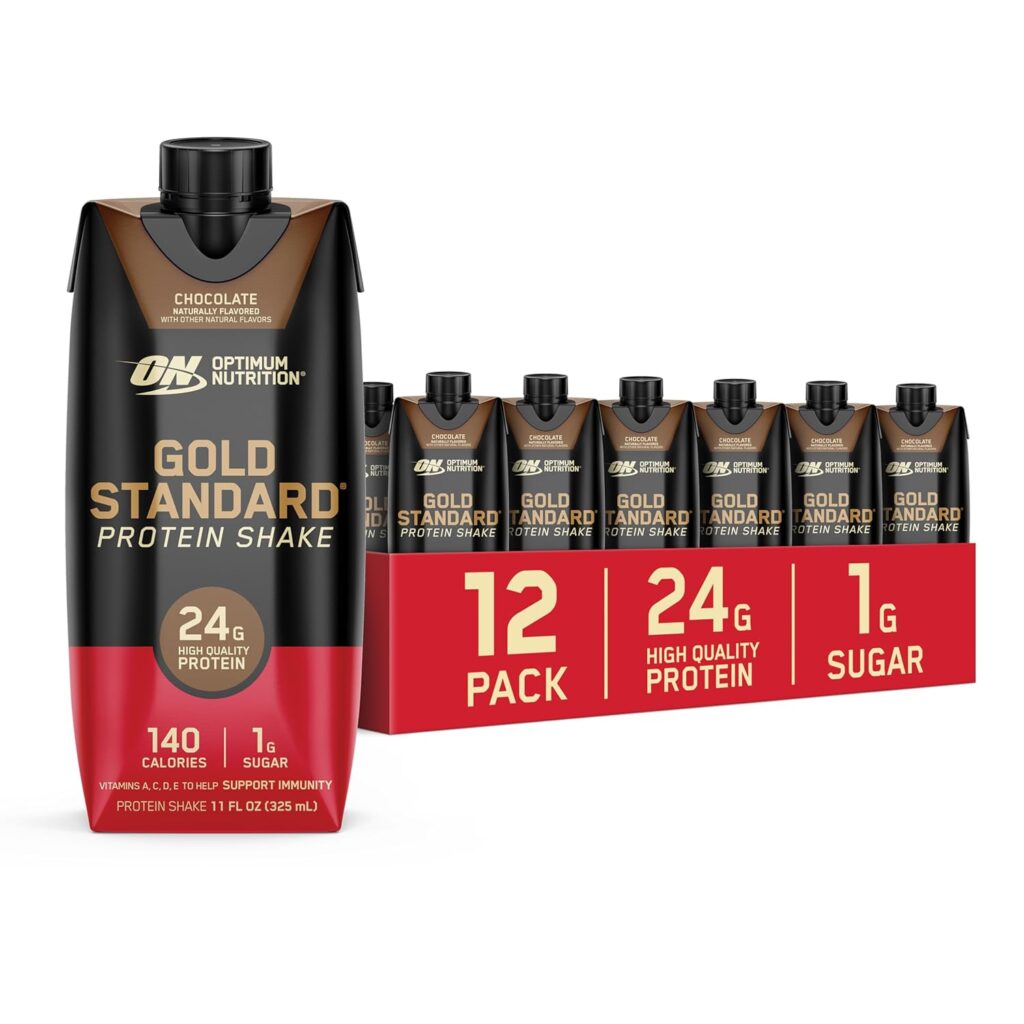
Optimum Nutrition keeps this one simple. You get 24 grams of protein, 1 gram of sugar, and a bottle that feels built for people who want steady macros more than novelty.
That makes it a smart middle-ground protein drink. It does not chase the absolute highest protein number, but it does give you a tidy profile for everyday use.
What are the key features of Optimum Nutrition RTD Protein Shake?
The current Optimum Nutrition product page lists 24g protein per serving, 24 vitamins and minerals, and 9 naturally occurring essential amino acids. It also uses milk protein isolate as the primary ingredient, with whey and casein from milk rounding out the formula.
That matters because it gives you a complete protein source plus some extra micronutrient support in a relatively light carton. Each flavor contains about 130 calories, so it works best as a recovery shake or structured snack, not a full lunch replacement.
Another plus is portability. The 11 fl oz carton is slim, easy to chill, and easier to finish quickly than heavier high quality protein shake formulas that can feel overly thick.
What are the pros and cons of Optimum Nutrition RTD Protein Shake?
You will find a concise pros and cons list for this ready-to-drink option below.
| Aspect | Summary Points |
|---|---|
| Nutrition Profile | Pros: 24g high-quality protein, around 130 calories, 1g sugar, plus 24 vitamins and minerals. Watch-out: If you specifically want 30 grams of protein in one bottle, this lands a little lower. |
| Protein Source | Pros: Uses milk protein isolate, whey, and casein, so you get a complete amino acid profile for muscle recovery. Watch-out: It is still dairy-based, so it may not suit people with milk sensitivities. |
| Convenience | Pros: 11 fl oz cartons are easy to carry and easy to finish right after training. Watch-out: The smaller size can feel light if you are trying to use it as a real meal replacement. |
| Flavor and Variety | Pros: The current U.S. store shows Café Latte, Chocolate, Strawberry, and Vanilla, which is more range than older listings suggested. Watch-out: It still has less flavor depth than Premier. |
| Value | Pros: Optimum’s direct 12-pack pricing lands around the mainstream RTD range. Watch-out: Powdered protein powder is still cheaper per serving if budget is your top concern. |
| Best Use Case | Best for gym-goers who want a balanced post-workout bottle with low sugar, moderate calories, and extra vitamins without stepping into dessert-shake territory. |
Pure Protein RTD Protein Shake
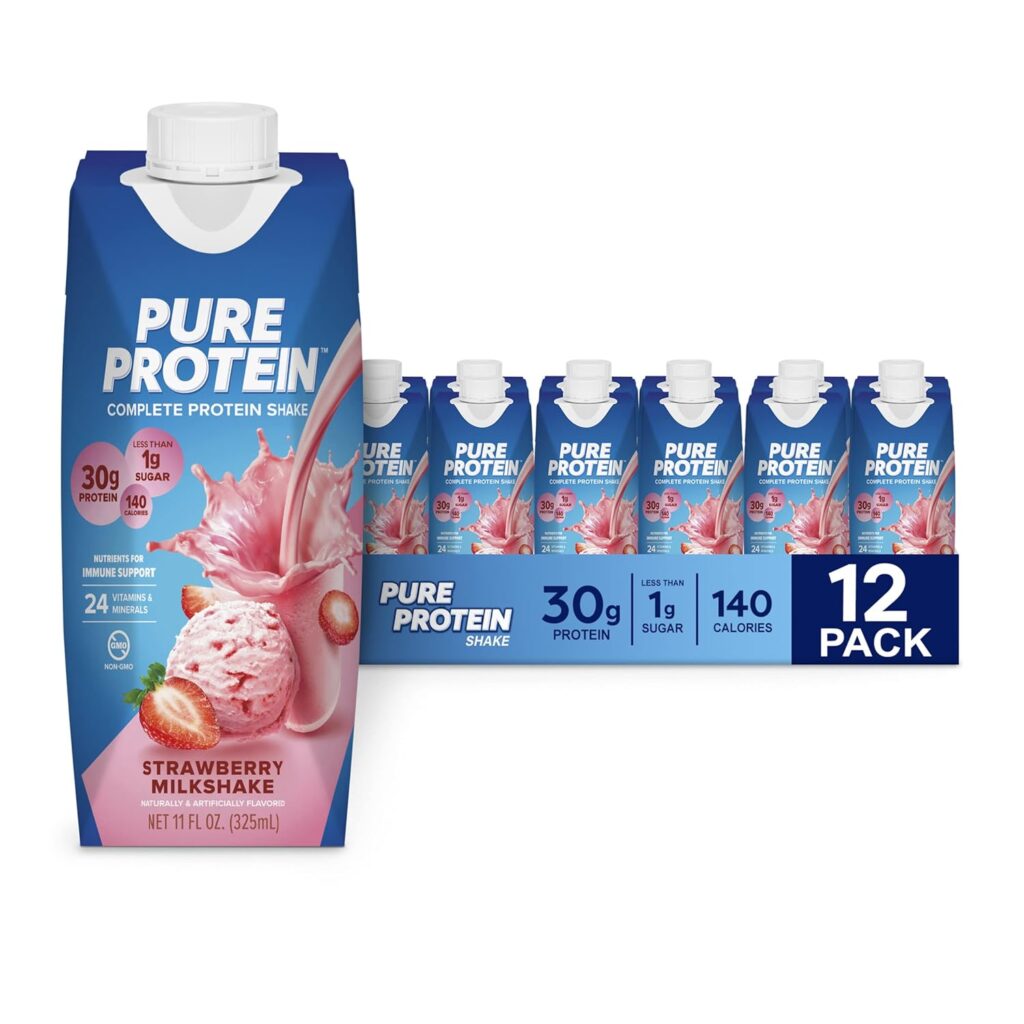
Pure Protein is the efficiency play in this lineup. Each shake gives you 30 grams of protein with less than 1 gram of sugar, and the Rich Chocolate version lands around 140 calories.
That is why this is one of the easiest bottles to recommend if your main question is simple: how do I get more grams of protein without spending many calories to do it?
What features define Pure Protein RTD Protein Shake?
Pure Protein’s current complete shake line is stronger than the older 20-gram versions many people still remember (don’t forget, I used to work for the brand back in the day and sold millions of dollars’ worth of product).
The Rich Chocolate shake now gives you 30 grams of protein, less than 1 gram of sugar, added vitamins and minerals, and a significant source of vitamins A, C, D, and zinc.
For macro tracking, that is a big deal. At about 140 calories, Pure Protein gives you roughly 0.21 grams of protein per calorie, which is the best protein-to-calorie ratio of the five shakes on this page.
It also keeps the bottle compact at 11 fl oz. You get a dense serving of protein for muscle without the heavier feel that can make some RTDs hard to finish quickly.
What are the advantages and disadvantages of Pure Protein RTD Protein Shake?
You will find the pros and cons of Pure Protein ready-to-drink below.
| Advantages | Disadvantages |
| – Excellent macro efficiency, with 30g protein at about 140 calories. – Less than 1g sugar makes it easy to fit into cutting phases or tighter carb targets. – Milk protein and whey provide a complete amino acid profile for muscle recovery. – Added vitamins and minerals make it more useful than a bare-bones protein shot. – Compact 11 fl oz bottle works well before or after training. – Good choice if you want more protein than Optimum without jumping to a much larger bottle. | – Still too light to act as a true meal on its own for most active adults. – Sweetness can read stronger than the label suggests, especially in dessert flavors. – Dairy-based formula may bother you if milk protein or whey does not sit well. – Flavor range is narrower than Premier’s broader lineup. – You give up some whole-food satiety because fiber and food volume stay low. |
RAW Nutrition RTD Protein Shake
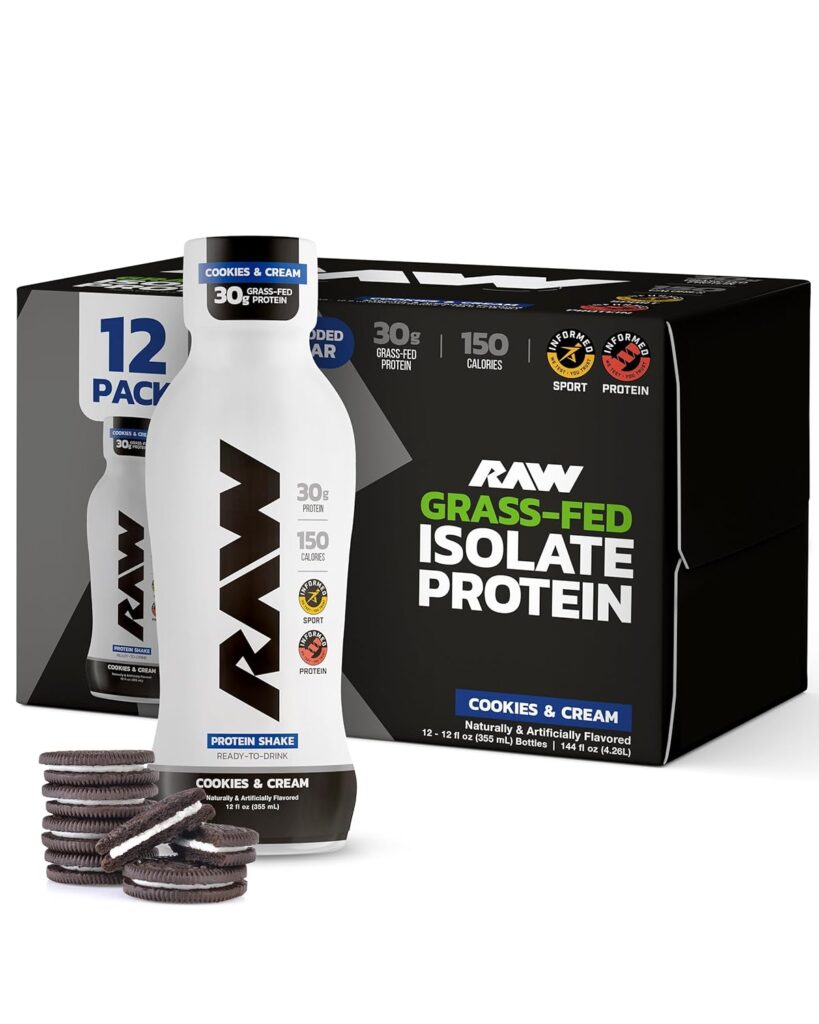
RAW Nutrition has shifted into a more premium lane than the older 20-gram RTD descriptions floating around online. Its current RTD lineup centers on 30g protein formulas, cleaner positioning, and a higher asking price.
If you care about ingredient simplicity and do not mind paying more, RAW becomes much more interesting.
What makes RAW Nutrition RTD Protein Shakes unique?
RAW currently sells ready-to-drink protein shakes built around 30 grams of high-quality protein, including a grass-fed isolate version with 160 calories and no added sugar. The brand also calls out no fillers, no dyes, and a carrageenan-free formula, which is a meaningful point if you avoid thicker stabilizers in your shakes.
That makes RAW one of the most distinct products here. Quest and Premier win on mainstream convenience, but RAW leans harder into the premium sports nutrition buyer who wants protein isolate, a cleaner label, and a more stripped-down profile.
The texture angle matters too. RAW positions these as smooth, milkshake-style bottles, and that usually appeals to people who are tired of overly chalky protein shake tastes from older RTDs.
What are the benefits and drawbacks of RAW Nutrition RTD Protein Shake?
Here are the key benefits and drawbacks of RAW Nutrition ready-to-drink protein shakes.
| Benefits | Drawbacks |
|---|---|
| – 30g protein per bottle puts it right in the sweet spot for post-workout recovery – Grass-fed isolate RTD keeps calories low at about 160 while skipping added sugar. – Cleaner-positioned formula avoids dyes, carrageenan, and filler-heavy language. – Good fit for athletes who want a premium sports nutrition feel in a grab-and-go format. – Brand messaging emphasizes third-party testing across the broader RAW lineup. – Smooth texture and simple flavor direction can be easier to drink consistently. | – Direct pricing is much higher than mainstream staples, with the 12-pack listed around $49.99. – Flavor variety is still limited compared with Premier’s deeper menu. – Dairy-based protein limits it for people avoiding milk. – Premium branding does not replace the need to read the full ingredient list. – If you are a tested athlete, ask for the exact product-level testing details instead of assuming every RTD carries the same certification status. |
Quest Nutrition RTD Protein Shake
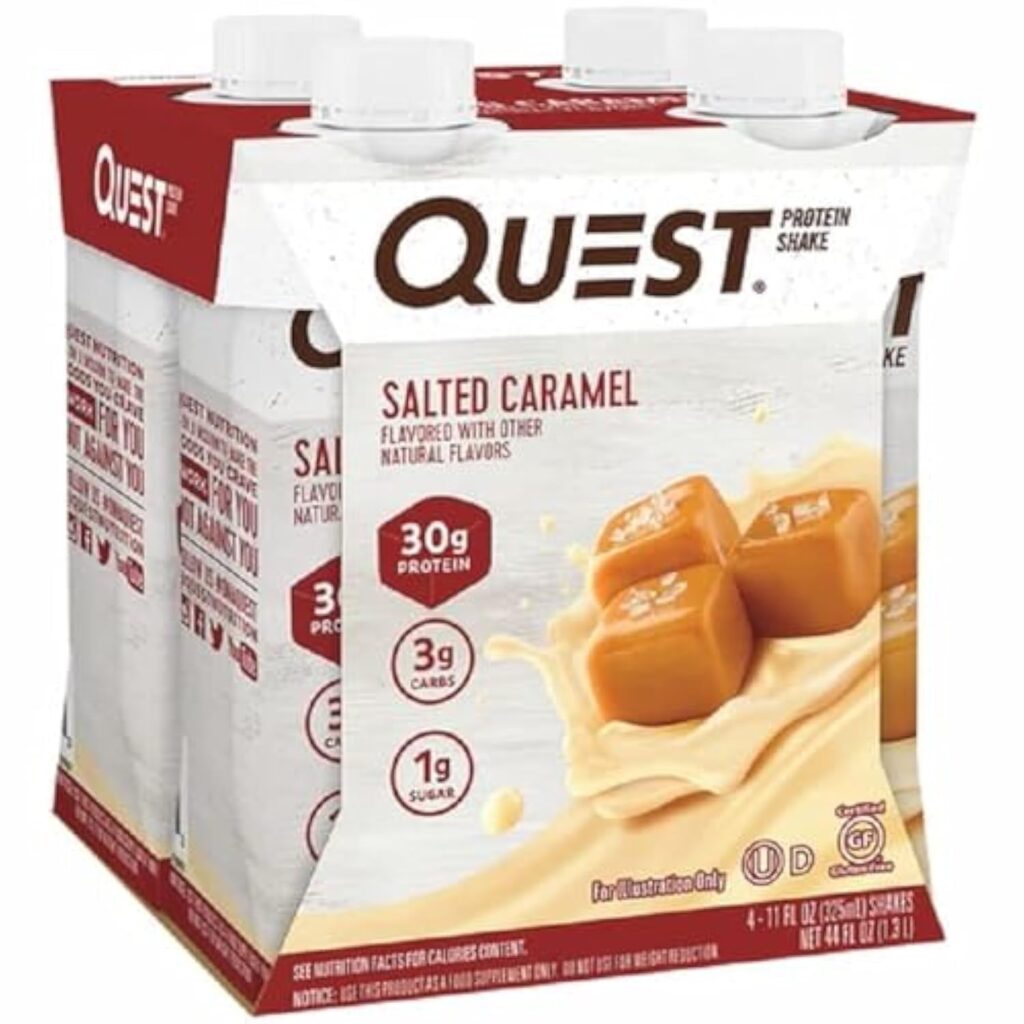
Quest Nutrition is the macro-focused low-carb option. You get 30 grams of protein, 1 gram of sugar, and very low carbs in a bottle that is built for people who want numbers they can work with fast.
It is also one of the easier picks if you want a shake that feels closer to a strict fitness product than a dessert drink.
What are the main features of Quest Nutrition RTD Protein Shake?
Quest’s vanilla shake gives you 30 grams of protein, 3 grams of carbs, 1 gram of sugar, and about 170 calories in an 11 fl oz bottle. The ingredient list is short by RTD standards, with milk protein concentrate and milk protein isolate doing most of the heavy lifting.
That short label is one of the best reasons to buy it. Quest also keeps the formula tight, with about 11 ingredients in core flavors, which makes comparison shopping easier if you are trying to avoid a long list of additives.
The brand gives you several practical flavor options, including Chocolate, Vanilla, Salted Caramel, and Coffee. The Coffee version adds caffeine comparable to a cup of coffee, which makes it a smart morning or pre-gym pick if you already like protein plus caffeine in one bottle (which is why I love this flavor, personally).
What pros and cons should you know about Quest Nutrition RTD Protein Shake?
You get a very efficient macro setup here. For people chasing high protein and low carbs, Quest is one of the cleanest fits on the shelf.
The trade-off is feel and flavor. Because the formula stays so lean, some drinkers find Quest a little sweeter or more functional than indulgent.
- Best reasons to buy it: 30g protein, 1g sugar, very low carbs, compact bottle, short ingredient list.
- Best for: cutting phases, lower-carb eating, and anyone who wants a gym-bag-friendly protein drink with strong macros.
- Main drawbacks: dairy base, sucralose, and a sweetness level that can feel intense if you prefer milder shakes.
- Smart tip: if you want one bottle to do more work, pair it with fruit or oats, because 170 calories still falls short of a full meal for most active people.
Premier Protein RTD Protein Shake
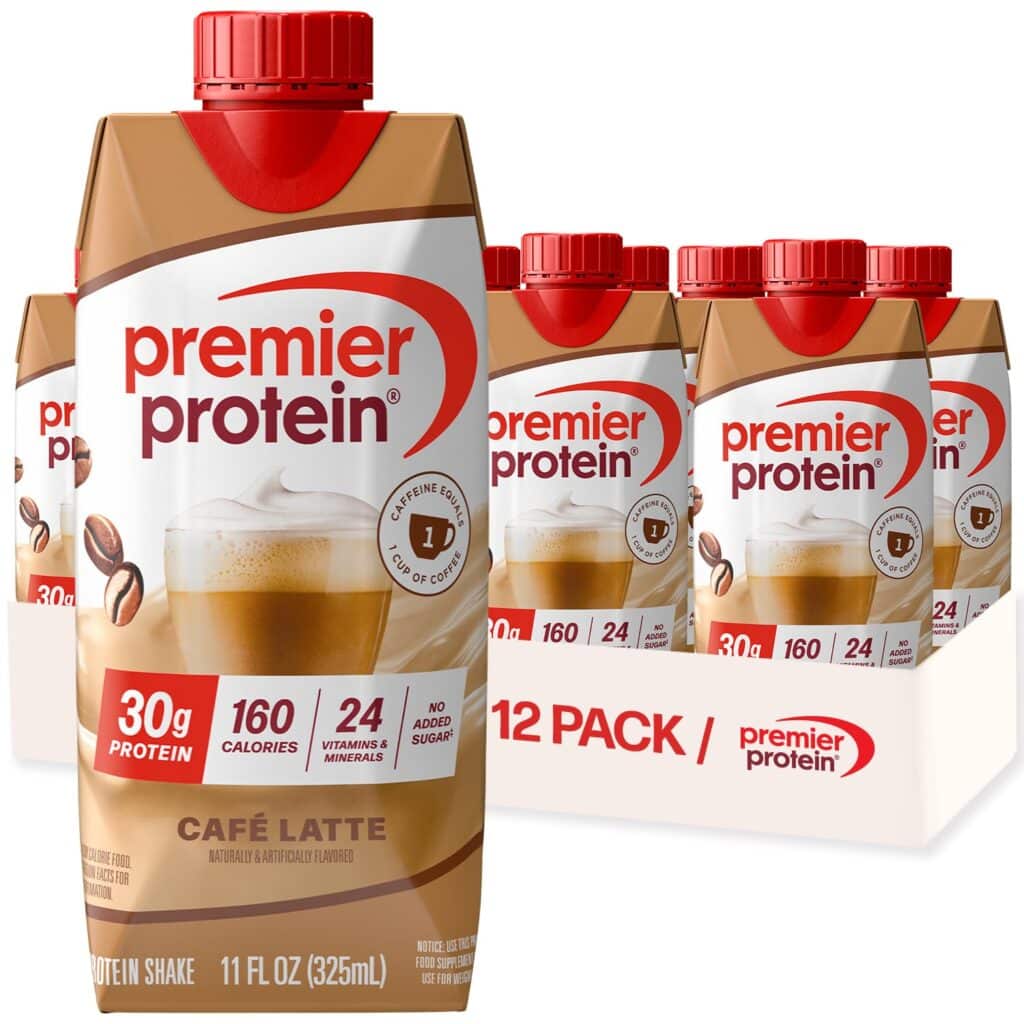
Premier Protein is the crowd favorite for a reason. You get 30 grams of protein, 160 calories, 1 gram of sugar, and a flavor lineup that is much broader than most competitors.
I wrote a whole article on Premier Protein shakes that you should check out. It dives deeper into this line of shakes.
In BellRing’s May 2026 investor update, Premier Protein still led the U.S. RTD category by market share. That does not guarantee it is the best ready-to-drink shake, but it does explain why it is so easy to find in club stores, grocery chains, and convenience-heavy retail.
What features stand out in Premier Protein RTD Protein Shake?
The classic Premier Protein shake formula stays strong: 30 grams of protein, 160 calories, 1 gram of sugar, and 24 vitamins and minerals. It uses milk protein concentrate and calcium caseinate, so you get a complete dairy-based amino acid profile.
Flavor variety is the real separator. Premier’s classic line and limited releases easily outpace the tighter flavor menus from Optimum, RAW, and Quest. If you get bored quickly, that matters more than one extra gram of carbs on the label.
Premier also has a useful niche feature: Café Latte includes caffeine comparable to a cup of coffee (another one of my personal early-morning favorites). That makes it one of the few mainstream ready-to-drink protein shakes that can double as breakfast support and a light energy boost.
What are the pros and cons of Premier Protein RTD Protein Shake?
You get 30 grams of protein per bottle, a very manageable 160-calorie profile, and broad retail availability. If your priority is consistency, value, and lots of flavor choices, Premier is hard to beat.
The trade-off is the sweetener profile. Premier relies on sucralose and acesulfame potassium in its classic shakes, so people who are sensitive to aftertaste often notice it more here than in simpler milk-forward formulas.
- Best reasons to buy it: strong macros, huge flavor range, easy to find, 24 vitamins and minerals, and useful coffee options.
- Best for: everyday convenience, busy mornings, and anyone who wants a dependable ready to drink protein option that is easy to restock.
- Main drawbacks: sweeter finish, smaller bottle size if you want more fullness, and a more processed flavor profile in some varieties.
- Smart tip: if you use Premier as a meal replacement shake, add something with fiber, like fruit or a handful of nuts, so it feels like an actual meal instead of just liquid protein.
Which of These Best Ready-to-Drink Protein Shakes Is Your Pick?
The best ready-to-drink protein shakes are the ones that match how you actually eat and train.
If you want balanced macros, go with Optimum. If you want the leanest protein-to-calorie trade, Pure Protein is the standout. RAW fits the premium buyer, Quest works best for low-carb macros, and Premier Protein wins on flavor range.
Use the label like a filter: check grams of protein, calories, sweeteners, and the protein source. Do that, test a few flavors, and you will find the top protein bottle that supports recovery without making your daily nutrition harder.
Looking for some honorable mentions you can also consider? Check out the Core Power protein shake, Muscle Milk, and even Orgain plant-based protein shake for those looking for vegan protein.
I also did an RTD protein shake battle royale from Sam’s Club. That’s a super interesting read.
But of these, which are you choosing as the best ready-to-drink protein shakes?

FAQs About the Best Ready-to-Drink Protein Shakes
RTD protein shakes are ready-to-drink bottles that give a set amount of protein, made for quick use after a workout or as a snack.
Check protein grams, calories, and sugar, then read the ingredients for real protein sources and few fillers. Pick a flavor you like, compare macros, and choose what fits your budget and goals.
Yes, RTD protein shakes can match powder if they use quality protein and sensible macros. Powder can be cheaper and more flexible, but RTD wins for fast convenience.
Avoid high added sugar, long lists of vague fillers, and lots of artificial colors or sweeteners. Choose clear labels, simple ingredients, and flavors you will actually enjoy.

*Disclosure: This article may contain affiliate links or ads, which means we earn a small commission at no extra cost to you if you make a purchase through these links. These commissions help support the operation and maintenance of our website, allowing us to continue producing free valuable content. Your support is genuinely appreciated, whether you choose to use our links or not. Thank you for being a part of our community and enjoying our content.
PLEASE CONSIDER SHARING THIS ON YOUR SOCIAL MEDIA TO HELP OTHERS LEARN MORE ABOUT THIS TOPIC.