
Don’t Let a Few Bad Apples Ruin the Supplement Industry
The supplement industry is a massive, multi-billion dollar business, yet it often gets a bad rap. In my two decades as a fitness professional and industry insider, I’ve seen it all.
While most companies are dedicated to creating helpful products, a few bad apples always seem to grab the headlines with reckless, greedy behavior.
It’s frustrating, but we can’t let these individuals define the entire supplement industry. This guide will break down some of the most infamous cases and show you how to separate the legitimate brands from the ones you need to avoid.
*The information found in this article has already been covered by mass media, none of the following is fabricated.
Table of contents
Key Takeaways
- Bad Actors Tarnish the Industry: A few high-profile cases involving illegal substances and criminal activity have created a negative perception of the entire supplement business.
- Regulation Exists, but Isn’t Perfect: The FDA does take action against companies that violate the law, but enforcement can be slow, allowing irresponsible brands to profit from dangerous products.
- Consumer Diligence is Crucial: You can protect yourself by choosing brands that use third-party testing from organizations like NSF International or Informed-Sport to verify product purity and potency.
FDA Laying the Smackdown on the Supplement Industry
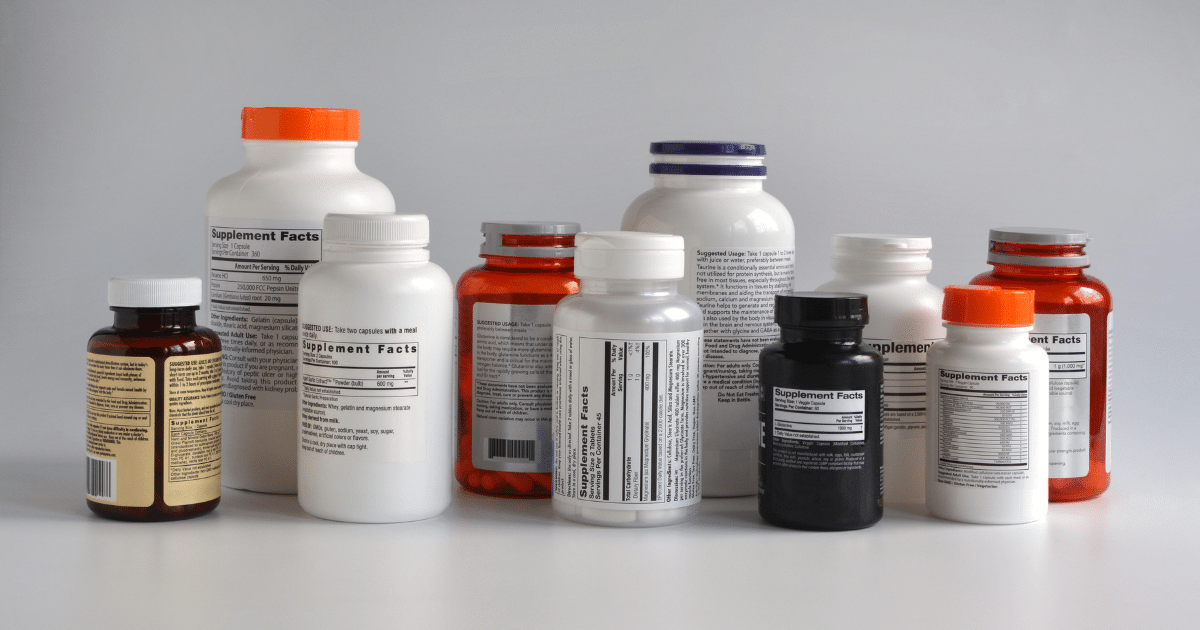
It’s baffling how some supplement company owners can be so clever in business yet make such foolish decisions. A perfect example is the case of Hi-Tech Pharmaceuticals, a Georgia-based manufacturer that the FDA has repeatedly targeted for selling tainted supplements.
This wasn’t a one-time mistake. The company sold products containing hidden drugs, including illegal steroids, without disclosing them on the label. This practice has been a recurring issue in the darker corners of the supplement industry for years. A company gets a slap on the wrist and then goes right back to its old tricks.
Hi-Tech Pharmaceuticals practically invited scrutiny. Why would you name your products after banned substances? They sold supplements with names like 1-AD, 1-Testosterone, Anavar, Androdiol, Decabolin, and Dianabol. It was a blatant attempt to attract customers looking for steroid-like results, and it’s no surprise the FDA investigated the names of the products and their formulas.
The core problem is financial. The owner, Jared Wheat, could sell a massive volume of these illegal products. Even after paying hefty fines to the FDA, the company still turned a profit. It creates a cycle where the penalties are just seen as a cost of doing business. The question then becomes, which reputable companies would continue to work with a manufacturer like that?

Unfortunately, some brands will continue to support these operations. In my experience, smart companies distance themselves immediately to avoid having their own products compromised.
Related Article: The Dichotomy of Leadership in the Supplement Industry
The consequences for Hi-Tech and its owner have been severe, including jail time and the seizure of millions in assets for money laundering and mail fraud. Yet, people continue to buy their products, often fueled by the hype of getting “legal steroids.” The allure of rapid results makes some consumers forget the risks.
The Proof is in the (Bread) Pudding?
Another shocking story comes from William “Bill” Sibold, the founder of P28 Foods, once the largest protein bread company on the market. His story is a jarring reminder that a successful product doesn’t always mean the person behind it is trustworthy.
Sibold was involved in a horrific domestic dispute that led to his arrest. The situation was violent and disturbing, drawing comparisons to other dark moments in the fitness world, like the infamous Kelly Ryan and Craig Titus case.
When police arrived at his home, the situation escalated. They discovered an enormous stash of illegal drugs and cash, including 55 pounds of cocaine, 135 pounds of marijuana, and $90,000 in cash. He was ultimately charged with multiple counts related to both the domestic violence and the drug investigation.
This case revealed a dark side to a person whose products were likely in the pantries of health-conscious consumers across the country. It showed that the success of a brand can sometimes mask serious criminal behavior, further damaging trust in the supplement industry.
Don’t Put Everyone in the Supplement Industry Under the Same Umbrella
It’s completely unfair to paint the entire supplement industry with the same brush. These high-profile incidents hurt everyone, especially the ethical companies that work hard to produce safe and effective products. The supplement business already has a target on its back, and these stories only make it worse.
The truth is, the vast majority of people in this industry are passionate about health and fitness. A 2023 survey from the Council for Responsible Nutrition found that 74% of U.S. adults take dietary supplements. This shows a high level of trust and reliance on these products for health and wellness goals.
A pro-tip I always share is to look for third-party certifications. When you see a seal from organizations like NSF International or Informed-Sport on a label, it means the product has been independently tested to confirm that what’s on the label is actually what’s in the bottle.
We need to support brands that prioritize transparency and quality control. While we probably haven’t heard the last of these kinds of scandals, we can hope they become less frequent. The best way to drive change is to vote with our dollars and choose companies that do things the right way.
Supplement Industry FAQs
How can I check if a supplement is safe?
Look for third-party testing seals from reputable organizations like NSF International, Informed-Sport, or USP. These certifications verify that the product contains what the label says it does and is free from many common contaminants. You can also check the FDA’s Tainted Supplement Database to see if a product has been flagged.
Are all supplements unregulated?
This is a common misconception. The supplement industry is regulated by the FDA under the Dietary Supplement Health and Education Act of 1994 (DSHEA). While the regulations are different from those for prescription drugs, companies are still legally responsible for ensuring their products are safe and their claims are truthful. The FDA can and does take action against companies that violate these rules.
What are the most common issues in the supplement industry?
The most frequent problems include products being “spiked” with undeclared ingredients like steroids or prescription drugs, making unsubstantiated health claims that aren’t backed by science, and poor manufacturing practices that lead to contamination or inconsistent dosages.

*Disclosure: This article may contain affiliate links or ads, which means we earn a small commission at no extra cost to you if you make a purchase through these links. These commissions help support the operation and maintenance of our website, allowing us to continue producing free valuable content. Your support is genuinely appreciated, whether you choose to use our links or not. Thank you for being a part of our community and enjoying our content.
PLEASE CONSIDER SHARING THIS ON YOUR SOCIAL MEDIA TO HELP OTHERS LEARN MORE ABOUT THIS TOPIC.