The Many Benefits of Utilizing the Asian Squat
The ability to perform a full, deep squat is a fundamental human movement, yet for many, it feels like an impossible challenge. If you’ve ever seen someone resting comfortably in a low squat with their heels flat on the floor, you’ve witnessed the Asian squat.
This isn’t just a gym exercise; it’s a natural resting position that has been a part of many cultures for thousands of years. Unfortunately, our modern, chair-based lifestyles have made this movement surprisingly difficult for a lot of people in Western countries.
In my years as a certified strength and conditioning coach, I’ve seen how regaining this ability can unlock better mobility, reduce injury risk, and improve overall fitness. The good news is that it’s not about genetics, it’s about lifestyle and mobility, both of which you can improve.
This guide will break down everything you need to know about the Asian squat, from its incredible benefits to a step-by-step plan to help you master this powerful exercise.
Disclaimer: This article is for informational purposes only and is not meant to treat or diagnose any condition. It is recommended that you speak with your doctor before starting any exercise program, changing your daily nutrition, or adding any supplements to your regimen.
Table of contents
Key Takeaways
- The Asian squat is a deep, flat-footed resting posture that enhances mobility in the hips, knees, and ankles.
- Key benefits include improved digestion, stronger core engagement, better balance, and support during pregnancy.
- Difficulty performing the squat is often due to limited ankle dorsiflexion and hip mobility from a sedentary lifestyle, not genetics.
- You can improve your ability to perform the Asian squat with targeted mobility exercises and consistent practice.
What is an Asian Squat?
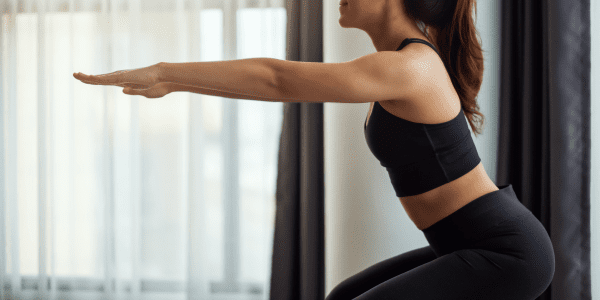
The Asian squat, also known as a primal or resting squat, is a deep squatting position where your hips sink below your knees and your heels remain flat on the floor. It’s a highly effective exercise for building lower body strength and is fundamentally a natural human resting posture.
Unlike a gym squat designed for lifting weights, the Asian squat is typically held as a static position. The primary challenge for many people in Western societies is limited ankle mobility, specifically ankle dorsiflexion, which is the ability to decrease the angle between your foot and shin. A 2009 Japanese study in the Journal of Physical Therapy Science identified this as a main obstacle.
Years of sitting in chairs can shorten the Achilles tendon and tighten calf muscles, making it difficult to keep your heels down. You can perform this exercise without any equipment, making it a perfect addition to your home workout routine.
Related Article: Build This Affordable DIY Squat Rack for Your Dream Home Gym
Here’s how you complete the Asian squat correctly:
- Stand with your feet about shoulder-width apart, with your toes pointing forward or slightly outward.
- Keeping your heels flat on the floor, slowly lower yourself into a deep squat. Let your hips sink down as low as they can comfortably go.
- Maintain a straight, upright spine. Avoid rounding your lower back. Your core should be engaged to help you stay balanced.
- You can rest your elbows on the inside of your knees to help keep your chest up. Hold this position, then return to standing by pushing through your heels.
Benefits of the Asian Squat
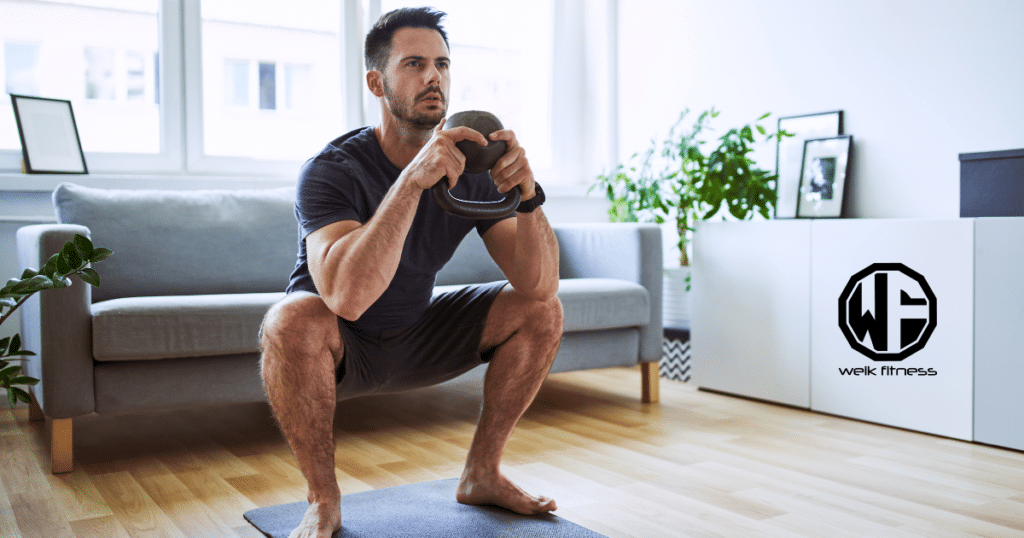
The Asian squat offers many benefits by working on improving flexibility and strength throughout your body. Here are some of the most important advantages you should know.
1. Improved digestion
One of the most significant benefits of the Asian squat relates to the digestive system. The squatting posture helps relax the puborectalis muscle, which straightens the angle of your rectum and allows for a smoother elimination process.
Related Article: Benefits of the Leg Press for Building Your Legs
A study published in the journal *Digestive Diseases and Sciences* confirmed that squatting can lead to more efficient bowel movements. This is the same principle behind the popular Squatty Potty toilet stool. The position helps your thighs gently press on your abdomen, which can stimulate the wave-like contractions in your intestines that move food along.
2. Gets your core muscle engaged
The Asian squat is an excellent exercise for developing strength in your legs and core. Holding the position requires you to engage deep core muscles like the transverse abdominis and obliques to maintain balance and an upright torso.
This isn’t just about building a six-pack. A strong, stable core is the foundation for almost every other athletic movement, from deadlifts to running. In my experience as a coach, a stable core is essential for preventing lower back strain during heavy lifts. The Asian squat teaches your body how to maintain this stability naturally.

3. It helps improve your balance
This squat variation is a powerful tool for improving your balance. It challenges your body to maintain its center of gravity over your feet, which strengthens the stabilizing muscles in your ankles, knees, and hips.
This process enhances your proprioception, which is your body’s “sixth sense” of knowing where it is in space. Better proprioception is crucial for athletes and can significantly reduce the risk of falls, especially as we age. According to the CDC, one in four older adults falls each year, making balance exercises a critical part of long-term health.
4. Beneficial for pregnant women
For centuries, women have used a squatting position during childbirth. Modern research confirms the benefits of this practice. Squatting during labor can help open the pelvis, which may create more room for the baby to descend.
In fact, research from 1982 showed that squatting can increase the area of the pelvic outlet by up to 28% compared to lying on your back. A more recent comparative study by Savla et al. in 2024 found that women who regularly squatted had shorter second stages of labor. Practicing the Asian squat during pregnancy can help strengthen the muscles used during delivery and encourage the pelvis to open.
5. Reduces risk of hip osteoarthritis
Hip osteoarthritis is a condition that causes pain and stiffness in the hip joints, often due to age. Consistently moving your joints through their full range of motion can help maintain their health. The Asian squat does exactly that for the hips, knees, and ankles.
This movement promotes the circulation of synovial fluid, a substance that lubricates your joints and nourishes cartilage. While more research is needed, some studies suggest that activities like squatting may help reduce the risk of knee osteoarthritis. However, if you already experience joint pain, it is always best to consult a doctor or physical therapist before starting a new exercise.
FAQs About the Asian Squat
Why can’t I do the Asian squat?
The most common reasons are limited mobility in the ankles and hips. A modern lifestyle with lots of chair-sitting often leads to tight calf muscles and stiff hip flexors, which prevents you from keeping your heels on the ground in a deep squat.
Is the Asian squat better than a regular squat?
They serve different purposes. A regular gym squat is typically performed with weights to build strength and muscle. The Asian squat is a resting posture and a mobility exercise designed to improve flexibility and joint health. Both are valuable additions to a fitness routine.
How can I get better at the Asian squat?
Start with progressions. You can hold onto a sturdy object for support or place a small weight plate or book under your heels to compensate for limited ankle mobility. Consistently practicing mobility exercises for your hips and ankles will also help improve your form over time.
How long should I hold the Asian squat?
If you’re new to the exercise, start by holding the position for 15-30 seconds. As your mobility and comfort improve, you can gradually increase the duration. The goal is to eventually be able to hold the squat comfortably for several minutes.


*Disclosure: This article may contain affiliate links or ads, which means we earn a small commission at no extra cost to you if you make a purchase through these links. These commissions help support the operation and maintenance of our website, allowing us to continue producing free valuable content. Your support is genuinely appreciated, whether you choose to use our links or not. Thank you for being a part of our community and enjoying our content.
PLEASE CONSIDER SHARING THIS ON YOUR SOCIAL MEDIA TO HELP OTHERS LEARN MORE ABOUT THIS TOPIC.