
Activity Equivalent on Nutrition Labels?
Understanding what’s in your food is key to a healthy lifestyle. For years, standard nutrition labels have been our primary tool, but a debate is growing around a new idea, should labels also show the exercise needed to burn off the calories?
This concept, known as Physical Activity Calorie Equivalent or PACE labeling, has sparked a lot of conversation among health professionals.
As a certified sports nutritionist and trainer, I’ve spent my career helping people decode nutritional information. This guide will break down what these activity labels are, examine the science for and against them, and give you practical strategies to understand the food you eat, empowering you to make the best choices for your health.
Table of contents
- Key Takeaways
- What Are Activity Equivalent Nutrition Labels?
- The Argument For Activity-Based Calorie Labels
- Why PACE Labels Are a Flawed Idea
- The Risk of Promoting Disordered Eating
- Do These Labels Even Work in the Real World?
- A Better Way: How to Actually Understand Nutrition Labels
- FAQs About Nutrition Labels and PACE Labels
Key Takeaways
- What are PACE Labels?: Physical Activity Calorie Equivalent (PACE) labels show how much exercise, like walking or running, is needed to burn the calories in a food product.
- The Argument For: Proponents, like the UK’s Royal Society for Public Health, believe PACE labels make calories easier to understand and can encourage healthier choices. Some research suggests they could help reduce daily calorie intake.
- The Argument Against: Critics worry these labels could promote an unhealthy relationship with food, framing exercise as a punishment for eating. There are also concerns about their potential to trigger disordered eating.
- Effectiveness is Debated: Studies on the real-world impact of PACE labels are mixed. A 2022 study in workplace cafeterias found no overall change in the number of calories purchased when PACE labels were used.
- Focus on the Bigger Picture: Instead of focusing only on calories and exercise, it’s more effective to understand the overall nutritional value of your food, including macronutrients and ingredients.

What Are Activity Equivalent Nutrition Labels?
Activity equivalent nutrition labels are a proposed addition to food packaging designed to show you how much physical activity is needed to burn off the calories contained in that product. This idea is often called PACE, which stands for Physical Activity Calorie Equivalent.
Instead of just seeing a number like “250 calories,” a PACE label might have small icons showing that you would need to walk for 45 minutes or run for 25 minutes to use that amount of energy.
The main supporter of this concept has been the Royal Society for Public Health (RSPH) in the United Kingdom, which first recommended PACE labeling back in 2016. The idea, championed by then-chief executive Shirley Cramer, is that translating calories into a relatable activity makes the numbers less abstract and easier for people to understand.
The Argument For Activity-Based Calorie Labels
The core argument for PACE labels is that they can help people make healthier choices and change their behavior. The RSPH claims that many people find current nutritional information confusing and that PACE labels provide a simple “nudge” to be more mindful of calorie intake.
Supporters point to a few key pieces of evidence.
- Improved Understanding: A survey conducted for the RSPH found that 41% of people reported PACE labels were easier to understand compared to just 27% for the current “traffic light” system used in the UK. The goal is to make a number like 300 calories feel more tangible by linking it to 53 minutes of walking.
- Potential Calorie Reduction: A major 2019 review of 15 studies, led by researchers from Loughborough University, suggested that PACE labeling could help people consume about 200 fewer calories per day compared to no labeling.
- Public Support: The same RSPH survey showed that 63% of people would support introducing these labels, and 53% believed it would lead to positive changes like choosing healthier items or eating smaller portions.
The hope is that seeing the “exercise cost” of a snack might make someone think twice, potentially helping to address public health issues like obesity.
Why PACE Labels Are a Flawed Idea
While the intention behind PACE labels may be good, as a fitness and nutrition professional, I see some significant problems with this approach. The logic is based on a few assumptions that don’t hold up in the real world.
My biggest concern is that it frames exercise as a punishment for eating. This is a dangerous mindset. Exercise is essential for health, not a way to “earn” or “burn off” food. It builds muscle, strengthens your heart, improves your mood, and so much more. Reducing it to a simple calorie calculation completely misses the point.
Disclaimer: This article is for informational purposes only and is not meant to treat or diagnose any condition. It is recommended that you speak with your doctor before starting any exercise program, changing your daily nutrition, or adding any supplements to your regimen.
The Risk of Promoting Disordered Eating
One of the most serious criticisms of PACE labels is their potential to harm people who are vulnerable to or recovering from eating disorders. For these individuals, the idea of having to “pay” for food with exercise can be incredibly triggering.
Eating disorder charities, such as Beat in the UK, have spoken out against these labels for this very reason. Tom Quinn from Beat explained that many people with eating disorders already struggle with excessive exercise, and these labels would only reinforce that harmful behavior. Healthy eating should be about nourishment, not a cycle of guilt and compensation.
Do These Labels Even Work in the Real World?
Beyond the psychological risks, the evidence that PACE labels actually change behavior is debatable. While early studies showed promise, real-world application has been less convincing.
A significant study published in 2022 tested PACE labels in 10 worksite cafeterias in England. The result? There was no overall evidence that the labels changed the amount of energy (calories) people purchased. This suggests that when people are making their everyday choices, these labels may not have the intended impact.
This reminds me of the warning labels on cigarette boxes. We all know they say smoking is dangerous, but for many, it doesn’t stop them. Information alone often isn’t enough to change an established habit. The same principle applies here. Someone used to eating a certain product is likely to continue buying it, regardless of a new icon on the package.
A Better Way: How to Actually Understand Nutrition Labels
Obsessing over calories and exercise equivalents is a narrow and often counterproductive way to manage your health. A much better approach is to build a solid understanding of the whole picture presented on current nutrition labels.
In my experience, people achieve lasting results when they move beyond just one number and learn to evaluate their food based on its overall quality.
Don’t Be Fooled By These 5 Food Packaging Tricks that often hide what you truly need to know.
Here’s what I tell my clients to focus on:
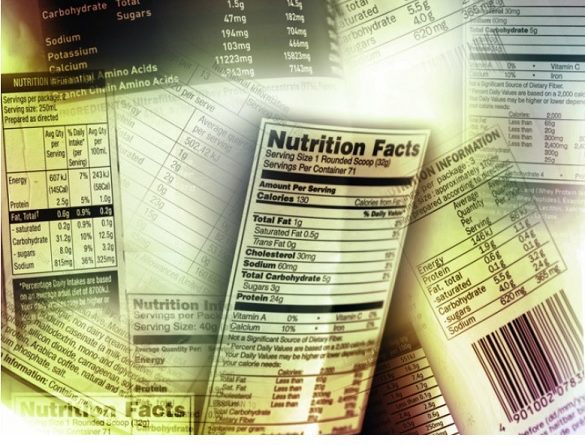
- Serving Size: This is the most critical and often overlooked part of the label. All the numbers that follow apply to a single serving, but a package may contain two, three, or even more servings.
- Macronutrients: Look beyond calories and check the protein, carbohydrates, and fat. Are you getting a good amount of protein to support muscle? Are the carbs from fiber-rich sources or just sugar?
- The Ingredients List: This tells you the real story of your food. Ingredients are listed by weight, from most to least. If sugar or unpronounceable chemicals are at the top of the list, it’s probably not a great choice.
Building a solid foundation in nutrition is the key. You don’t need a fancy label to tell you that a piece of fruit is a better choice than a candy bar. The path to a healthier lifestyle is about making informed and consistent choices, not feeling like you have to run for an hour because you enjoyed a snack.
If you’re looking to make a real change, I always advise seeking help from a professional. A certified nutritionist or trainer can provide personalized guidance and help you build a sustainable plan. Your success depends on consistency, so if you slip up, just get back on track. The results will come if you keep moving forward.
FAQs About Nutrition Labels and PACE Labels
- What is a PACE nutrition label?
PACE stands for Physical Activity Calorie Equivalent. It’s a type of food label that shows how many minutes of an activity, like walking or running, it would take to burn the number of calories in that food item. - Are activity equivalent labels used anywhere?
Currently, PACE labels are not mandatory anywhere. They have been proposed and studied, primarily in the United Kingdom by the Royal Society for Public Health, but have not been widely adopted. - Why are some experts against PACE labels?
Critics argue that these labels can create an unhealthy relationship with food by framing exercise as a punishment. Experts from eating disorder charities have also warned they could be triggering for vulnerable individuals. - Do activity labels actually help people eat less?
The evidence is mixed. Some controlled studies suggest PACE labels might help reduce calorie intake by around 200 calories per day. However, a 2022 real-world study in workplace cafeterias found no significant overall change in calories purchased.


*Disclosure: This article may contain affiliate links or ads, which means we earn a small commission at no extra cost to you if you make a purchase through these links. These commissions help support the operation and maintenance of our website, allowing us to continue producing free valuable content. Your support is genuinely appreciated, whether you choose to use our links or not. Thank you for being a part of our community and enjoying our content.
PLEASE CONSIDER SHARING THIS ON YOUR SOCIAL MEDIA TO HELP OTHERS LEARN MORE ABOUT THIS TOPIC.